Albert Oppong-Ansah
Accra, Sept. 1, GNA – Ghana’s marine ecosystems are under increasing pressure from pollution, declining fisheries, habitat degradation and climate change.
The pressures are threatening the long-term health and productivity of the country’s oceans and the essential services they provide, including food, livelihoods, climate regulation and cultural benefits.
Professor Edem Mahu, Associate Professor of Marine Biogeochemistry at the University of Ghana, raised the concern in an interview with the Ghana News Agency (GNA) in Accra.
“A healthy ocean is one whose ecosystems function properly, can recover from shocks and continue to provide food, jobs, cultural value, and economic benefits without undermining ecological integrity,” she explained.
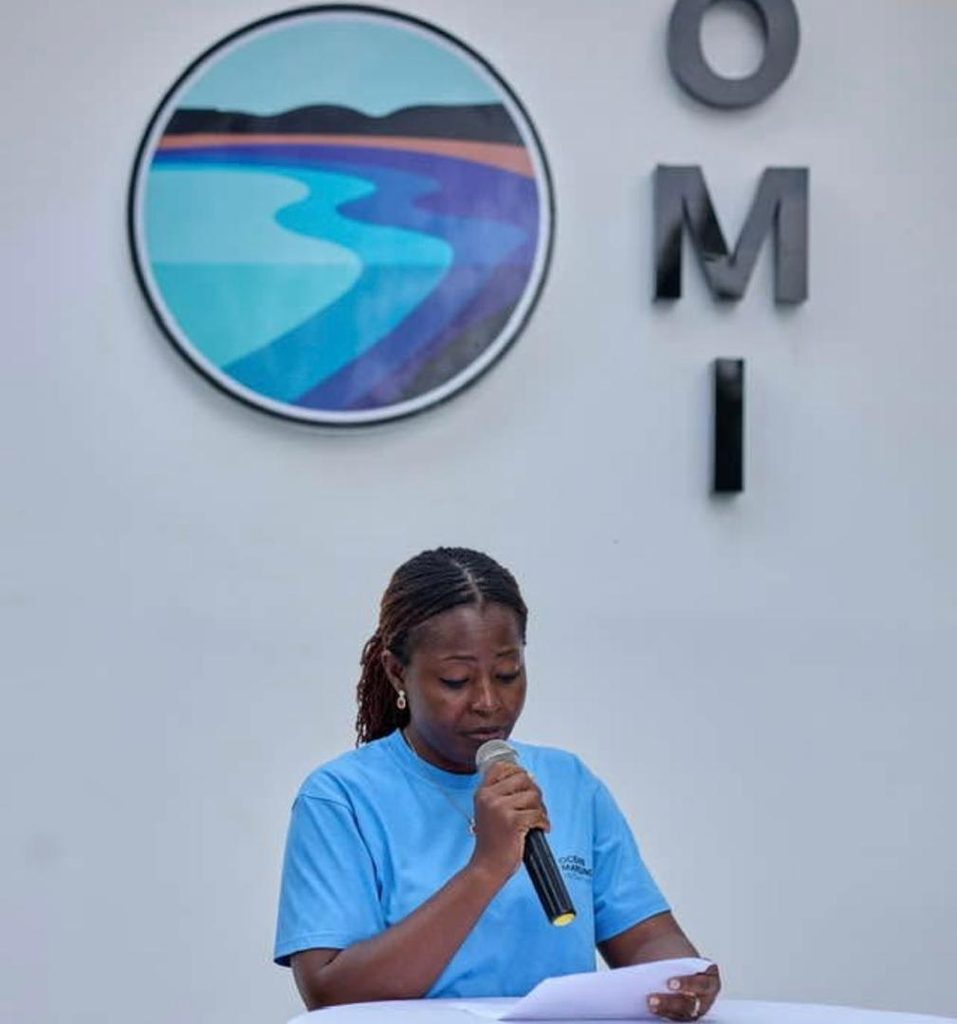
Prof. Mahu said biodiversity, water quality, fisheries productivity and the ocean’s ability to withstand climate-related stresses were key indicators for assessing ocean health.
She said evidence from local studies indicated declining marine biodiversity, with the depletion of fisheries resources being one indication of broader changes occurring within Ghana’s marine ecosystems.
“If fisheries resources are declining, then biodiversity is also declining because fish form part of the biodiversity of the ocean,” she said.
Prof. Mahu said ongoing research had detected pollutants, including mercury and microplastics, in Ghana’s coastal waters, while nutrient runoff from agricultural activities was contributing to coastal enrichment and associated ecological challenges.
“In our efforts to increase food production, large quantities of fertilizers and other agricultural inputs are being used. The excess is eventually washed into rivers and the ocean, creating environmental problems along our coastline,” she said.
Prof. Mahu said climate change was compounding the pressures through rising sea levels, increasing ocean temperatures and higher concentrations of carbon dioxide in seawater.
Oceans already weakened by pollution and overexploitation, she said, were less able to withstand additional environmental stresses.
“When ecosystems are already under stress, they are not able to absorb shocks as they should. This affects how the ocean functions and reduces its resilience,” she said.
Prof. Mahu said the consequences of declining ocean health were evident in reduced fish catches and shrinking livelihood opportunities for coastal communities.
Beyond the economic effects, she said, coastal degradation was also affecting important cultural and spiritual connections between communities and the marine environment.
Prof. Mahu said that lagoons and other coastal ecosystems had traditionally served as sacred spaces and important elements of cultural identity, but many were now heavily polluted or degraded.
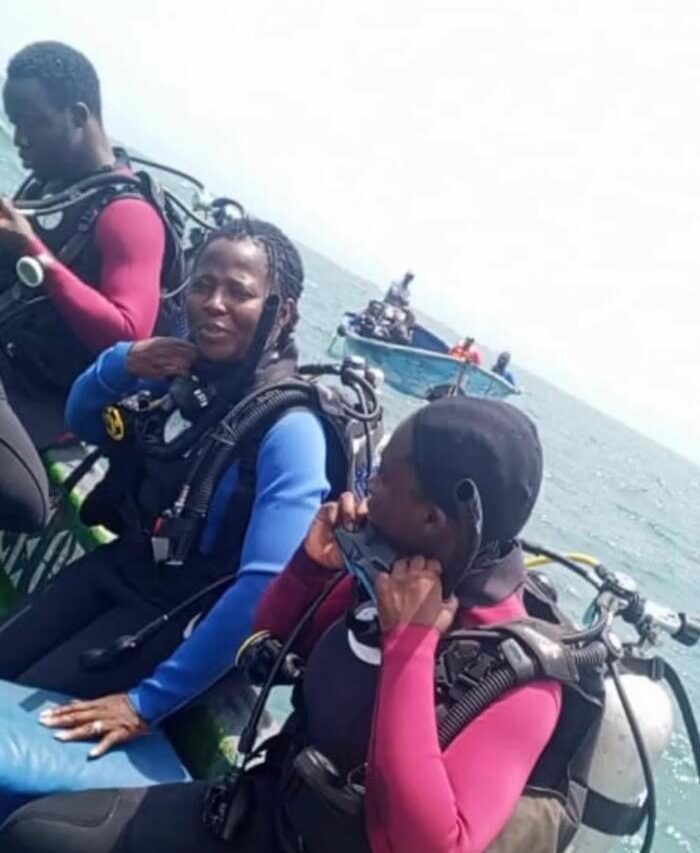
Citing the 2022 Global Ocean Health Index, she said Ghana scored 65 out of 100, indicating a moderately healthy ocean. However, she cautioned that data gaps could mean the index did not fully capture conditions within Ghana’s marine environment.
“Based on local evidence, including declining fisheries, poor water quality, and degradation of ecosystems that support biodiversity, I do not think our oceans are very healthy,” she stated.
To reverse the trend, Prof. Mahu called for stronger conservation measures, including the expansion and effective monitoring of Marine Protected Areas (MPAs).
She commended Ghana’s recent establishment of its first Marine Protected Area, describing it as an important step towards safeguarding biodiversity and supporting the recovery of marine ecosystems.
“Research has shown that Marine Protected Areas are effective tools for conserving biodiversity, but it is not enough to establish them. Continuous monitoring is required to assess water quality, biodiversity, and fish stock recovery,” she said.
Prof. Mahu also advocated the restoration of coastal lagoons and estuaries, adoption of sustainable fishing practices, stricter enforcement against illegal, unreported and unregulated (IUU) fishing, and greater protection of mangrove and seagrass habitats.
GNA
Edited by Kenneth Sackey
1 Sept. 2026
Reporter: Albert Oppong-Ansah