By Patrick Ofoe Nudzi, GNA
Accra, Nov. 10, GNA – Children of the Street Academy have participated in a workshop on using solar energy to upcycle plastic waste into products of economic value, including key holders.
The workshop introduced the children to the Sun Factory Solar Energy Plant, which uses the sun’s energy to melt and reshape plastics into useful products.
Mr Marco Bernardo, a Mechanical Engineer and builder of the Sun Factory Energy plant, said the plant was an “open-source process” built by Plastics Punch and that anyone could use, modify and turn into an income-generating venture.
He said it took him just a day to build the plant, while its technology could be learnt, mastered and replicated within a few days, adding that it melted plastics at temperatures of about 200 degrees Celsius and moulded them into useful products.
Mr Bernardo said the children had learnt how solar energy could be used to melt and reshape plastics to create value, while the technology could also be used for cooking, roasting and heating, also noting that Plastics Punch could help people especially deprived communities to build the plant.
The Sun Factory Solar Energy plant was sponsored and spearheaded by Plastics Punch, a Ghana-based environmental non-profit working to create a plastic waste-free environment where people and nature can thrive.
Madam Melani Lea Mennella, Development Director, Street Academy, said the workshop was a learning curve and called for partnerships and continued education to expose the children to innovative solutions that promote environmental sustainability and economic empowerment.
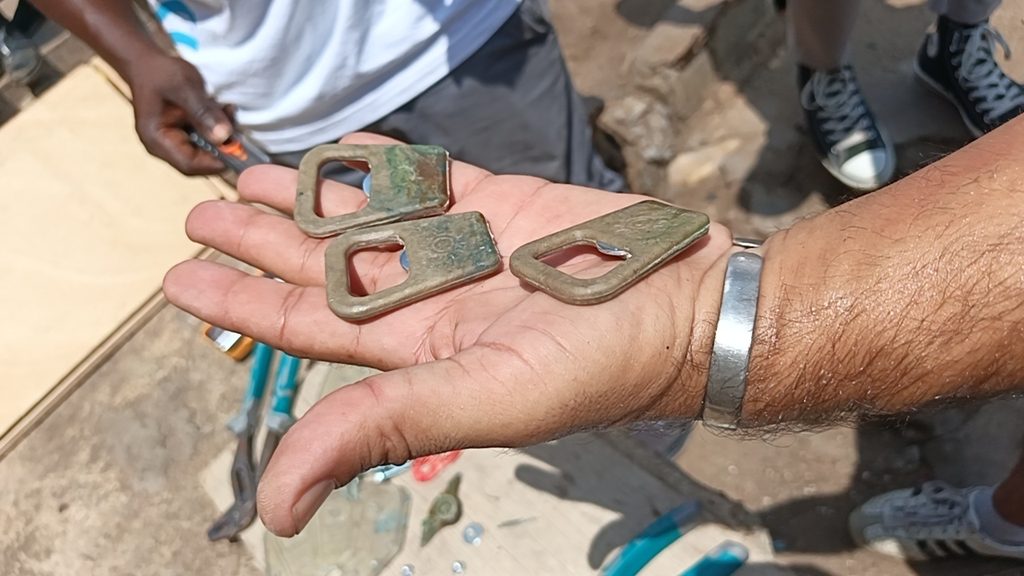
She expressed gratitude to Plastic Punch for bringing the solar-powered plastic upcycling initiative to the Academy, adding that the children, who hailed from Jamestown, Ussher Fort and Ga Mashie, lived in communities heavily affected by plastic pollution, making the innovation particularly relevant to their development.
The workshop practically demonstrated how plastic bottles, sachets and other waste materials could be transformed into new products, including key holders, using clean solar energy.
“We watched as the sun powered up, melted the plastic, created a liquid into a mould, and then a mould became a usable object,” she said, describing the process as a phenomenal demonstration of circularity.
Ms Malani said the Academy, which was independently funded and relied on volunteer donations, would welcome collaborations with organisations offering alternative energy and upcycling innovations to help nurture future leaders and changemakers.
GNA
Edited by Kenneth Odeng Adade
Patrick Ofoe Nudzi
[email protected]