By Patrick Ofoe Nudzi / Christabel Kporvie
Accra, Sept. 21, GNA – Ghana has launched a national strategic plan for heavy metals reduction in food to strengthen measures to prevent, detect and control contamination across the food supply chain.
The plan, covering 2026 to 2030, seeks to reduce exposure to lead, cadmium, mercury and arsenic while strengthening food safety regulations, surveillance, laboratory capacity, and public awareness.
Professor Dr Grace Ayensu-Danquah, Deputy Minister of Health, said at the aunch in Accra that the plan demonstrated government’s commitment to protecting public health and strengthening food safety following evidence of heavy metal contamination in some food and consumer products on the Ghanaian market.
The unsafe food could undermine public health, consumer confidence, business reputation, and access to international markets, she cautioned.
Prof Ayensu-Danquah said heavy metals could enter the food chain through mining and industrial pollution, improper use of fertilisers and pesticides, and contaminated food-contact materials.
She said assessments showed that 29 per cent of cereal-based mixed food samples exceeded applicable cadmium limits, 42.09 per cent of turmeric samples recorded lead levels above the permitted threshold while 24.6 per cent of bentonite products exceeded permitted lead limits.
She, however, said all skin-lightening creams assessed complied with applicable mercury standards at the time of assessment, adding that the findings called for targeted regulatory action rather than generalised alarm.
The deputy minister said the plan was anchored on strengthening the regulatory and legal framework, improving laboratory and surveillance capacity, addressing contamination at source, enhancing industrial compliance, and increasing consumer awareness.
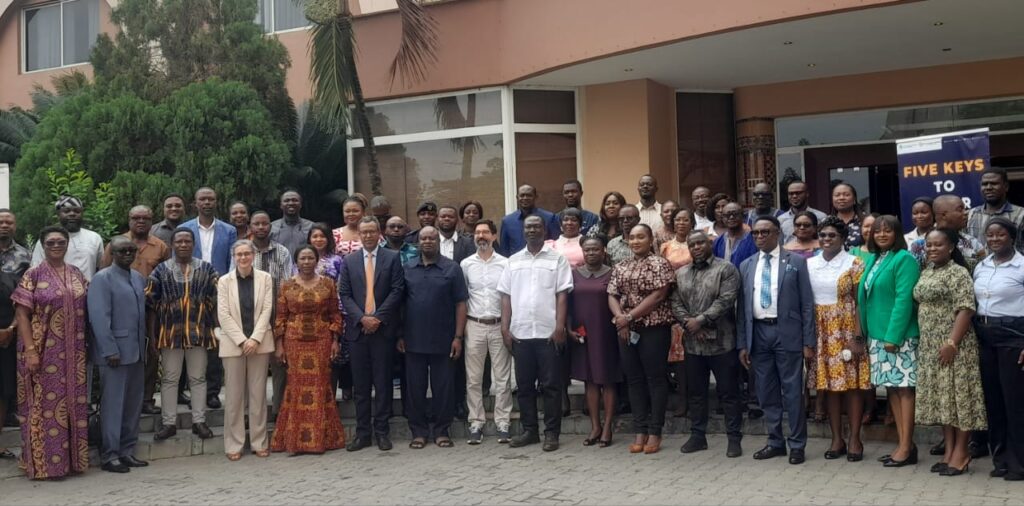
Mr Roderick Daddey-Adjei, the Deputy Chief Executive Officer, Food Division at the Food and Drugs Authority (FDA), said the Authority would intensify testing, surveillance and enforcement.
The FDA, he noted, had expanded testing to include cadmium in sachet and bottled water, while saying that pollution from illegal mining could contaminate water used for farming and allow heavy metals to enter crops and the food chain.
Ms Emmanuelle Collet, Deputy Country Director of the United Nations Children’s Fund (UNICEF), called for stronger action to reduce children’s exposure to heavy metals, particularly lead.
A lead-level survey by the Ghana Health Service, Pure Earth and UNICEF found that 52 per cent of children under five years in Ghana had elevated blood lead levels, she said.
“Another study found lead contamination in consumer products, including turmeric, coal and bentonite clay,” she added.
“Lead exposure could affect children’s brain development and learning, with implications for their future productivity.”
GNA
Edited by Agnes Boye-Doe
Patrick Ofoe Nudzi