By Michael Foli Jackidy
Ho (V/R), Sept. 4, GNA – The African Youth and Adolescents Network on Population and Development (AfriYAN Ghana) has trained adolescent girls and young women to fight against teenage pregnancy and Gender Based Violence (GBV).
Participants from five regions would become champions for sexual and reproductive health and rights (SRHR), teenage pregnancy prevention, and the fight against GBV.
The four-day training workshop in collaboration with the United Nations Population Fund (UNFPA) and Global Affairs Canada, held in Ho, brought together participants below 20 years from the Ashanti, Volta, North East, Eastern and Greater Accra Regions.
The participants were selected with support from district assemblies, communities, and youth groups, based on emerging challenges affecting adolescents, including teenage pregnancy, GBV, and other developmental concerns.
Ms Dorcas Manortey-Aggrey, National Coordinator of AfriYAN Ghana, said the organisation worked with young people and youth-led organisations to create a common platform where adolescents could have their health and development needs addressed.
She said the support from UNFPA, through Global Affairs Canada, had enabled AfriYAN to strengthen efforts to address teenage pregnancy, empower adolescent girls and create safe spaces where young people could access reliable information and support.
Ms Manortey-Aggrey explained that the decision to train peer champions was informed by evidence that adolescents often turned to their friends for information because they were sometimes shy or reluctant to visit health facilities. However, their peers might not always possess accurate information needed to guide them.
“We want to ensure that peers have other peers who are well educated, well informed and can provide the needed support for them,” she said.
She said the 20 participants, now known as Adolescent Girls Champions, would serve as peer educators and positive role models in their respective communities after the training.
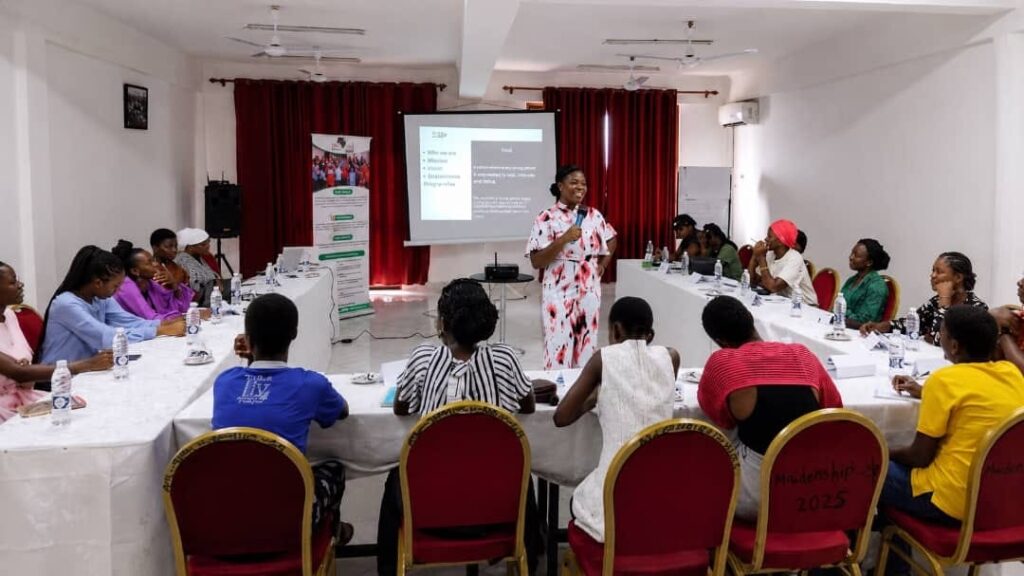
They would engage their peers through door-to-door visits, small-group discussions, and other community activities, supported with information, education and communication materials such as flyers and stickers.
Ms Manortey-Aggrey said AfriYAN would continue to work with the champions after the training through virtual meetings every three weeks or monthly to monitor their progress, assess their impact and identify areas requiring additional support.
She said the organisation hoped to organise refresher training for the champions and expand the programme to other regions to ensure that more adolescents benefited from peer-led education and support.
The participants were taken through puberty and adolescence, with emphasis on the physical and emotional changes associated with the period, responsible decision-making, self-control, and access to appropriate sexual and reproductive health information.
They were also sensitised on contraceptive options and where adolescents could access youth-friendly health services.
A significant component of the training focused on GBV, including how to identify different forms of abuse, support survivors and access available reporting and referral mechanisms.
The participants were also educated on technology-facilitated GBV, including online bullying and the misuse of private conversations or images.
Ms Manortey-Aggrey said many survivors of GBV knew their perpetrators personally, including relatives and other people within their immediate environment, making it important for adolescents to understand how to identify abuse and seek appropriate assistance.
She said the champions were introduced to relevant helplines and support institutions, including the Domestic Violence and Victim Support Unit (DOVVSU), social welfare services, and other agencies, to enable them to guide survivors appropriately.
Ms Rita Dzifa Katso, a facilitator from Developers Network who handled the GBV component, said the training was intended to equip the youth champions with accurate information on SRHR so that they could return to their communities and educate their peers, community members and adolescent clubs.
She said peer education had the advantage of enabling young people to relate to one another more easily, understand each other’s concerns, and express themselves more openly.
According to her, the champions were also expected to demonstrate positive behaviour in their communities so that their peers could see the benefits of the knowledge and skills acquired from the programme.
Some of the participants who spoke to the Ghana News Agency (GNA) expressed appreciation to the organisers, saying, the training had broadened their understanding of SRHR, GBV and the rights of adolescents.
They said they gained knowledge on reporting abuse and where survivors could seek assistance, including the Police, DOVVSU and social welfare institutions.
One of the participants said the training had strengthened her resolve to speak openly about SRHR, particularly in communities where sensitive issues affecting adolescents were rarely discussed. She pledged to reach out to communities that needed education on the subject.
Another participant from Ashaiman in the Greater Accra Region said the programme had equipped her with knowledge that she could use to address GBV in her community. She pledged to work with local authorities, chiefs, queen mothers, and youth organisations to help reduce the problem.
A participant from the Eastern Region also said the training had taught her how to identify GBV and use appropriate reporting mechanisms.
She pledged to educate her peers about their rights and encourage survivors to seek help from appropriate institutions.
The participants said they would not allow the knowledge acquired in Ho to end with the training but would take the lessons back to their communities to create awareness, promote informed decision-making and help adolescents access the support and services they needed.
GNA
Edited by Maxwell Awumah/Linda Asate Agyei