By Prince Acquah / Victoria Agyemang
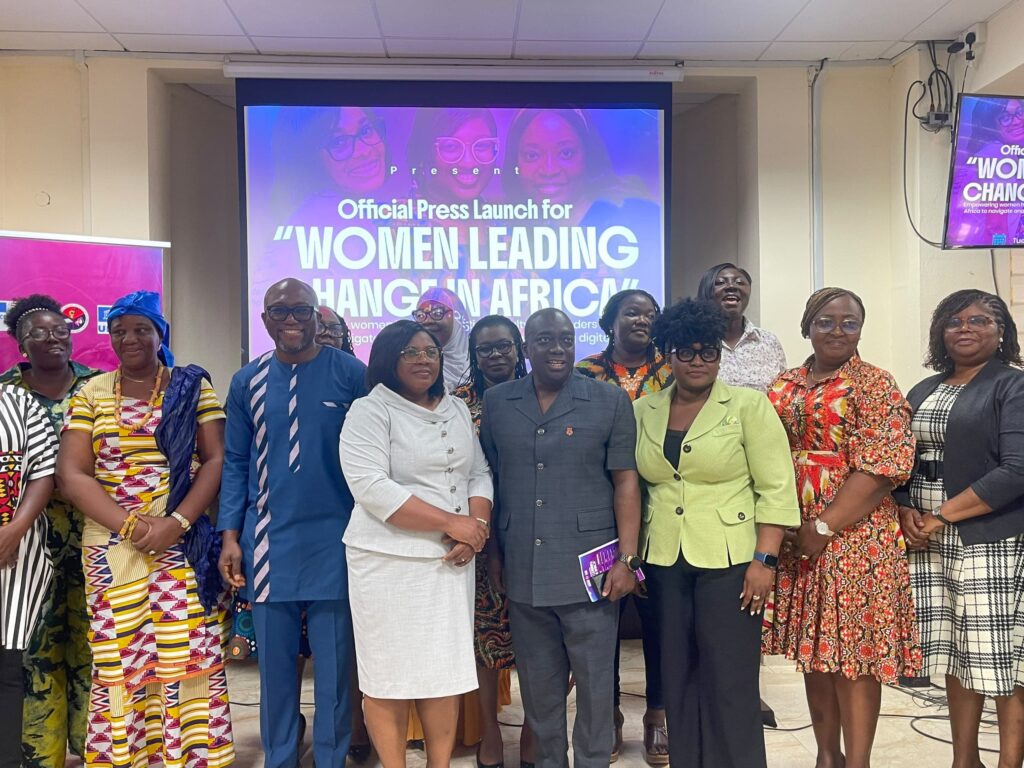
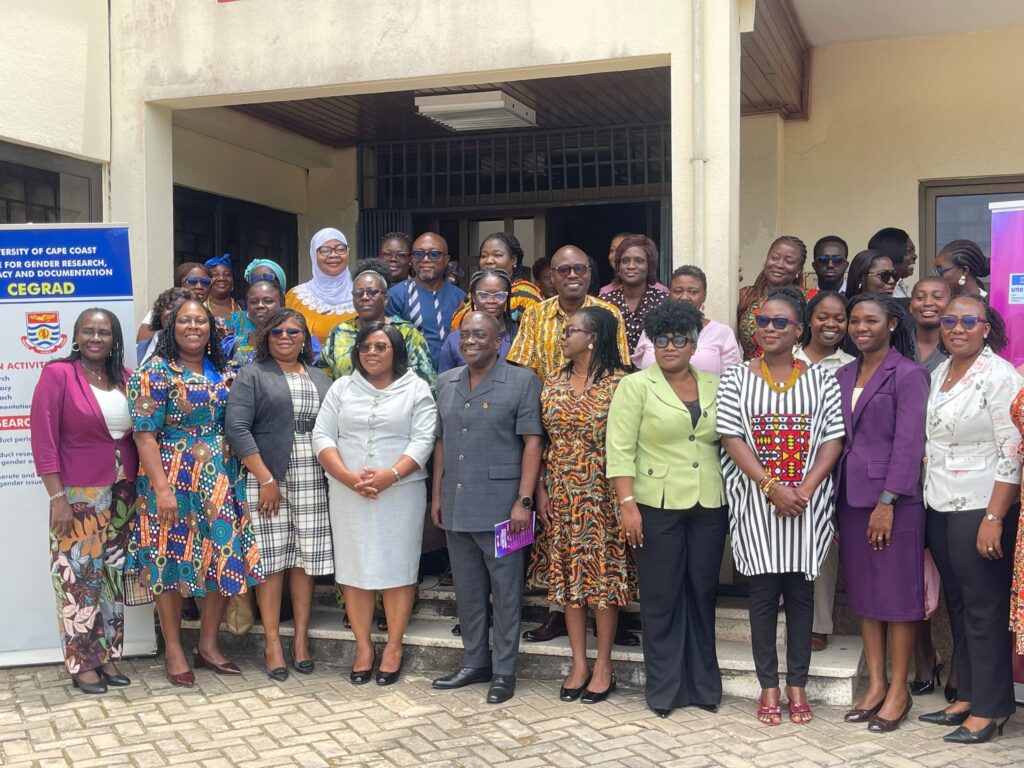
Cape Coast, Aug. 26, GNA – The Institute for Educational Planning and Administration (IEPA) of the University of Cape Coast (UCC) in collaboration with the Centre for Gender Research, Advocacy and Documentation (CEGRAD), has launched a free digital skills programme for female educators and institutional leaders.
The “Women Leading Change in Africa” programme seeks to provide more than 2,000 participants across Ghana with specialised training in digital technologies and artificial intelligence (AI), to enhance their competence and productivity.
Through the International Institute of Online Education (IIOE) platform, hosted via the UCC National Centre, the project offers more than 57 micro-certification courses on the practical application of AI in various disciplines, education and leadership.
Participants will be trained to apply AI in institutional governance, health, art and design, engineering, natural sciences, agriculture and business, among other disciplines.
The courses also include generative AI pedagogy, prompt engineering, digital micro-course creation, and Universal Design for Learning (UDL).
The programme runs from August 2026 to November 2027 and will culminate in a National Policy Dialogue in June 2027, to advocate for integrating AI and digital micro-credentials into national teacher promotion criteria and professional standards.
Professor Christine Adu-Yeboah, the Acting Pro Vice-Chancellor of UCC, launching the project on behalf of the Vice-Chancellor, underscored the need to invest more in equipping women in education with AI skills, noting that digital fluency was becoming essential for leadership in the sector.
She explained that the programme sought to address the under-representation of women in education leadership, particularly as AI was transforming higher education.
Prof. Adu-Yeboah observed that women held only 24 per cent of tertiary academic positions across the West Africa region but expressed optimism that the rapid digital transformation in the education sector presented a unique opportunity to change the narrative.
“Nationally, most administrators intuitively sense that AI is about to influence how they work, yet only one in five feels genuinely equipped to lead that shift.
“Left unaddressed, these glaring gaps risk pushing women further to the margins as digital fluency is becoming the absolute price of admission to leadership,” she cautioned.
The “Women Leading Change in Africa” programme, had been purposely designed to intervene in the situation, she said.
Prof. Adu-Yeboah said the initiative was also in direct response to global and continental development agendas, particularly Sustainable Development Goals (SDGs) Four and Five, and the African Union’s Agenda 2063, Goal One which promote inclusive and equitable quality education, as well as gender equality and women empowerment.
She said the IEPA would work closely with UNESCO and universities across the country to extend the courses to women professionals and leaders.
The Acting Pro Vice- Chancellor entreated female leaders, educators, and administrators across the country to enrol in the programme to gain the necessary skills to navigate and dominate the digital era.
Madam Ama Serwah Nerquaye-Tetteh, the Project Lead, explained although the programme had been designed primarily for women, men could also enrol.
She assured that the courses were flexible and self-paced, allowing participants to learn at their own convenience.
She stressed that each course was completely free but required participants to be dedicated to completing their courses.
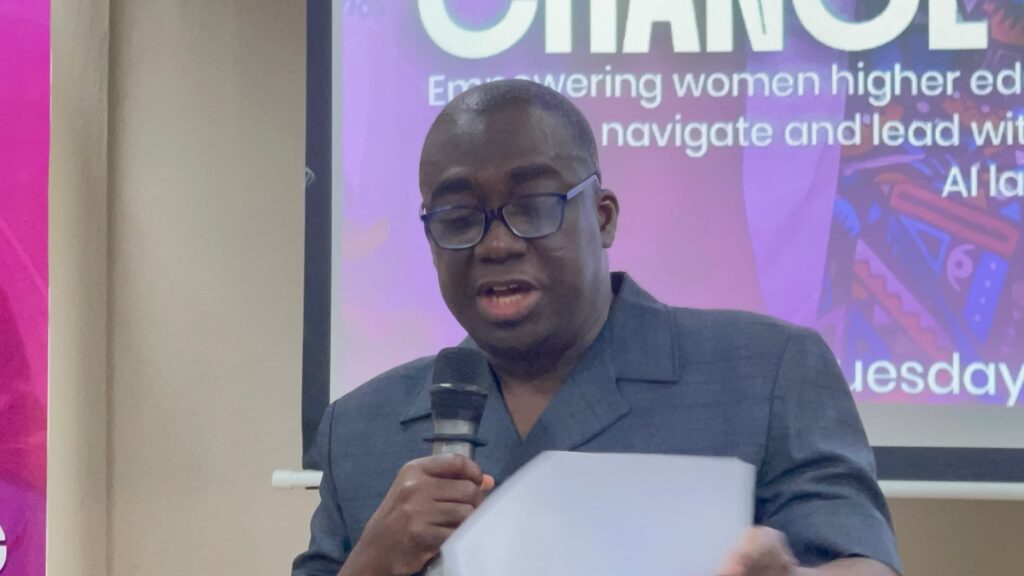
Prof. Michael Boakye-Yiadom, the Director-General, IEPA, maintained that African women needed targeted digital and AI training to overcome structural barriers and lead the transformation of universities and education ministries.
Citing the strengths of the African woman, he said the initiative sought to strengthen their traditional leadership roles with modern technological skills.
“We cannot rely on the tools of the past to navigate the challenges of the future. True transformation will only occur when we match this inherent leadership capacity with cutting-edge technical opportunity,” he said.
Prof. Boakye-Yiadom urged participants to spread awareness of the programme, enrol in the courses and encourage others leverage the opportunity.
Prof. Eunice Fay Amissah, the Director of CEGRAD, reiterated the need to deliberately include women in the design, adoption and governance of digital systems, warning that AI and other emerging technologies could deepen existing inequalities if women were excluded.
She identified limited access to digital training and infrastructure, inadequate mentorship, discrimination, unequal care responsibilities and harassment among the challenges confronting women.
“If Africa’s higher education institutions are to lead the future, they must create environments in which women can learn, lead, innovate, and thrive safely and confidently.
“They must ensure that digital transformation does not become another space of exclusion, but an opportunity to influence how technology is used, whose knowledge it reflects, what problems it addresses, and which values guide it,” she insisted.
Prof. Jin Li, the Director of UNESCO-ICHEI, noted that the programme had had a remarkable impact in Egypt, Ethiopia, Zambia and other places and that Ghana stood to experience a similar change.
He observed that African women already had strong potential in science and technology but lacked opportunities to develop and lead.
He said the programme sets out to empower women across Africa’s higher education workforce, teaching staff, researchers, and academic leaders alike with the digital and AI competencies the intelligence era demands, and to open the pathways to leadership which often remained closed.
GNA
Edited by Alice Tettey / Christabel Addo
Reporter: Prince Acquah
E-mail: [email protected]