By Eric Appah Marfo
Accra, Aug. 4, GNA – Mr Divine Selase Agbeti, Director-General of the Cyber Security Authority (CSA), has announced plans to establish a Cybersecurity Press Corps to strengthen accurate and responsible reporting on cyber threats in Ghana.
The initiative is intended to build a network of journalists with the capacity to improve public awareness of cyber risks, expose emerging online scams and support national cybersecurity education.
“The media does far more than report incidents. You prevent them. A single radio discussion in a local language can prevent thousands of people from becoming victims of fraud. A television interview can expose a new scam before it spreads nationwide,” he said at the launch of the National Community Media Cyber Capacity Building Project (NCMCCBP) in Accra.
The project, being implemented by the Cyber Security Authority in partnership with the Africa Centre for Digital Transformation (ACDT) and funded by the Government of the Czech Republic, aims to strengthen the capacity of community and mainstream media practitioners to educate the public on cybersecurity, online safety and responsible digital behaviour.
Mr Agbeti said cybercrime had become increasingly sophisticated, with criminals using social media and other digital platforms to gather information on potential victims before launching attacks.
“They don’t just attack. They study you for days, weeks and sometimes months through social media. They learn about your family, your relationships and your interests before making contact,” he said.
Mr Agbeti urged the public to exercise caution when sharing personal information online.
He said mobile money fraud, online investment scams, romance fraud, identity theft, sextortion, business email compromise and online impersonation remained among the prevalent cyber threats in the country.
Mr Agbeti said the CSA was collaborating with the Ghana Police Service, National Security, the Economic and Organised Crime Office and international partners to investigate and disrupt cybercriminal networks.
He the proposed Cybersecurity Press Corps would help journalists report cyber incidents accurately, explain complex technical issues in accessible language and provide timely public information on emerging cyber threats.
“When new cyber threats emerge, they will help ensure that the public receives timely and accurate information. When cyber criminals are arrested, they will help citizens understand why these operations matter.
“And when new scams appear, they will help people protect themselves before they become victims,” he said.
Mr Agbeti encouraged journalists participating in the programme to deepen their knowledge of cybersecurity, saying informed reporting could help prevent cybercrime and protect the public.
Mr Pavel Bílek, Ambassador of the Czech Republic to Ghana, said the project reflected the growing cybersecurity partnership between Ghana and the Czech Republic.
He said the Czech Government had supported Ghana’s cybersecurity sector for more than four years through technical cooperation, specialised training and the provision of digital forensic equipment.
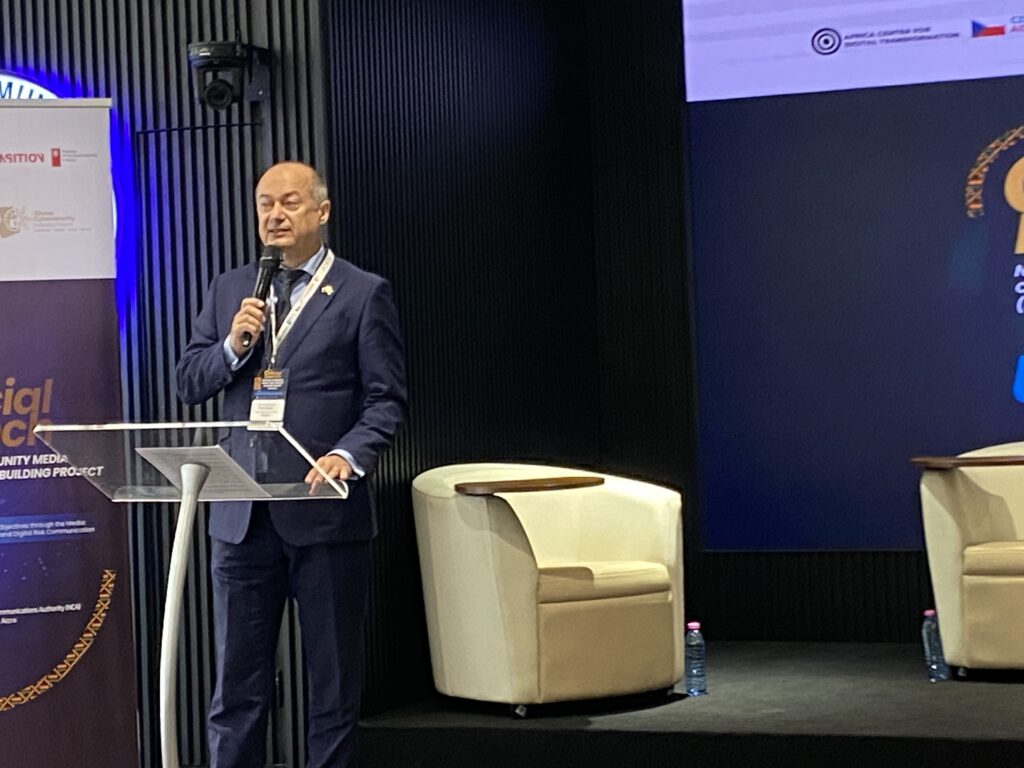
The Ambassador said more than 100 journalists from national, regional and community media organisations would receive training on cyber threats, online fraud, misinformation, child online protection and responsible reporting.
“Professional and well-informed media help citizens understand risks, recognise scams and make safer choices online. In the digital age, the media are not only observers of cyber threats. They are educators, early warning actors and bridges between institutions and communities,” he said.
Ambassador Bílek reaffirmed the Czech Republic’s commitment to supporting Ghana’s efforts to strengthen cybersecurity through expertise, technology and long-term institutional partnerships. GNA
Edited by Kenneth Sackey
Reporter: Eric Appah Marfo
[email protected]