By Muniratu Akweley Issah
Accra, Aug. 20, GNA – More adolescent girls and young women are voluntarily seeking HIV testing and related health services following intensified peer education and community outreach.
The trend has been recorded under the Adolescent Girls and Young Women (AGYW) Project, which seeks to prevent new HIV infections among young women aged 15 to 24 years.
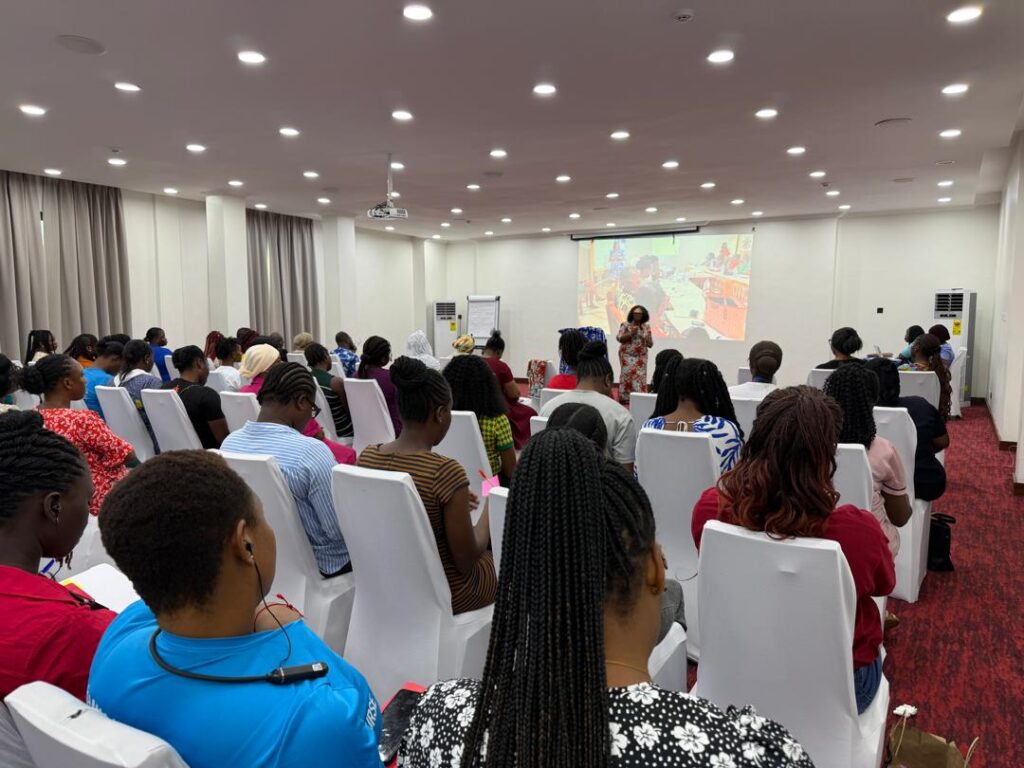
Ms Rita Lodonu, AGYW Project Coordinator at Hope for Future Generations (HFFG), disclosed this at a review meeting in Accra for peer educators and community health nurses implementing the project.
The project is implemented by HFFG in partnership with the National AIDS/STI Control Programme, with support from the Global Fund, in selected districts in the Greater Accra, Eastern and Ashanti Regions.
Ms Lodonu said the increased uptake of HIV testing was among the key successes recorded, with some beneficiaries also referring partners and family members to health facilities for testing and other services.

She attributed the increased demand for HIV testing to the work of peer educators and community health nurses, who provided information on HIV prevention, encouraged young people to know their status and made referrals to health facilities.
“More people are accessing the services and getting tested to know their HIV status. By doing so, we will be able to identify people in the communities who may be living with the virus but are not aware of their status,” she said.
Ms Lodonu said the review meeting was intended to assess progress, share experiences and challenges, and identify measures to improve service delivery during the remaining implementation period.
“We want them to share their challenges with us. Together, we will identify mitigation measures so that when they go back, they will be able to work effectively, engage their peers and help identify people who may be living with the virus but are not aware,” she said.
Ms Lodonu said the project had achieved 60 per cent of its target within the first half of 2026, with efforts being intensified to reach more young people who had not benefited from the interventions.
Mrs Cecilia Senoo, Executive Director of HFFG, described the intervention as timely, given the sexual and reproductive health challenges confronting young people.
She attributed the progress to peer-to-peer education, community outreach and the involvement of community health nurses in reaching beneficiaries and linking them to health facilities.
Mrs Senoo urged implementers to continue working with community structures and intensify efforts to achieve the project’s targets.
“Behind the figures are faces and numbers. We do not want to hear or see more HIV infections, more young people getting HIV, and people dying as a result of HIV,” she said.
Dr Fred Nana Poku, Director of Technical Services at the Ghana AIDS Commission, said the
involvement of young peer educators and community health nurses was critical to understanding what worked and identifying gaps in HIV prevention efforts.
“As Ghana continues its efforts to end AIDS as a public health threat, we must recognise that prevention remains one of our strongest tools. Recent HIV trends remind us that we cannot become complacent,” he said.
He called for sustained investment in HIV prevention, particularly interventions targeting young people.
Queen mothers present at the meeting commended HFFG and its partners for efforts to curb HIV in communities.
Naa Korkor Aadjieoyi I, Queen Mother of Adabraka, said public education on HIV had declined in recent times, making the AGYW intervention important.
She called for sustained efforts to achieve the project’s targets.
GNA
Edited by Kenneth Sackey
Reporter: Muniratu Akweley Issah