By Samira Larbie
Accra, July 16, GNA – Religious leaders, gender advocates and peacebuilding experts have called for stronger collaboration among women, faith-based organisations and state institutions to promote peace, religious tolerance and national cohesion amid growing global insecurity.
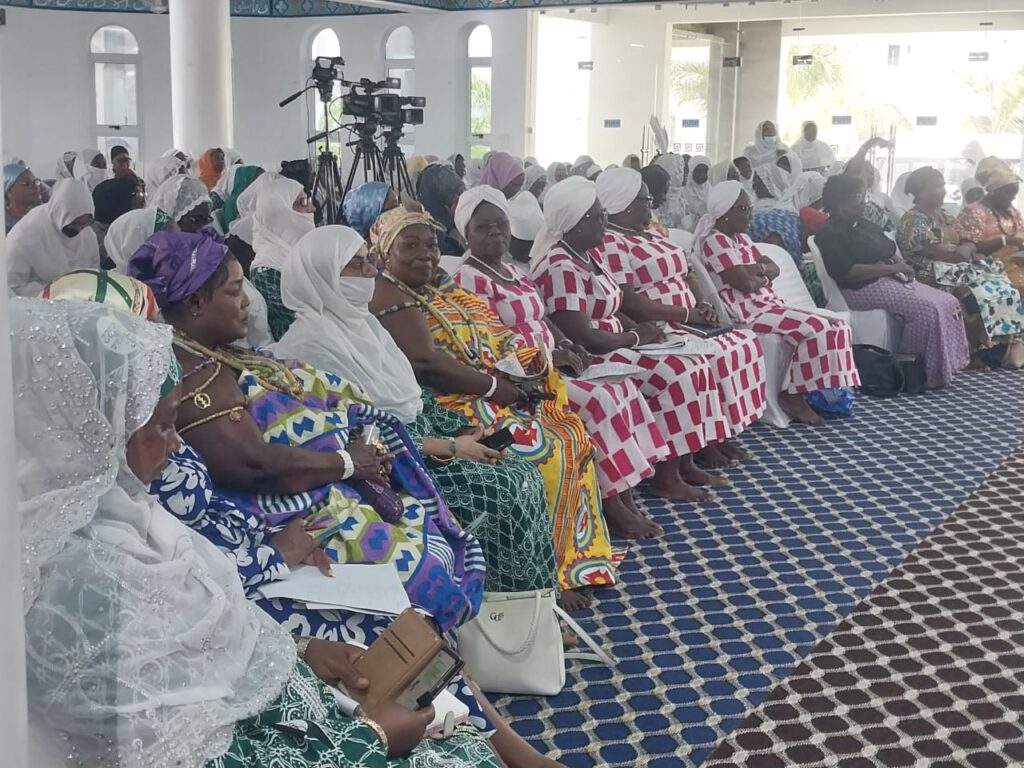
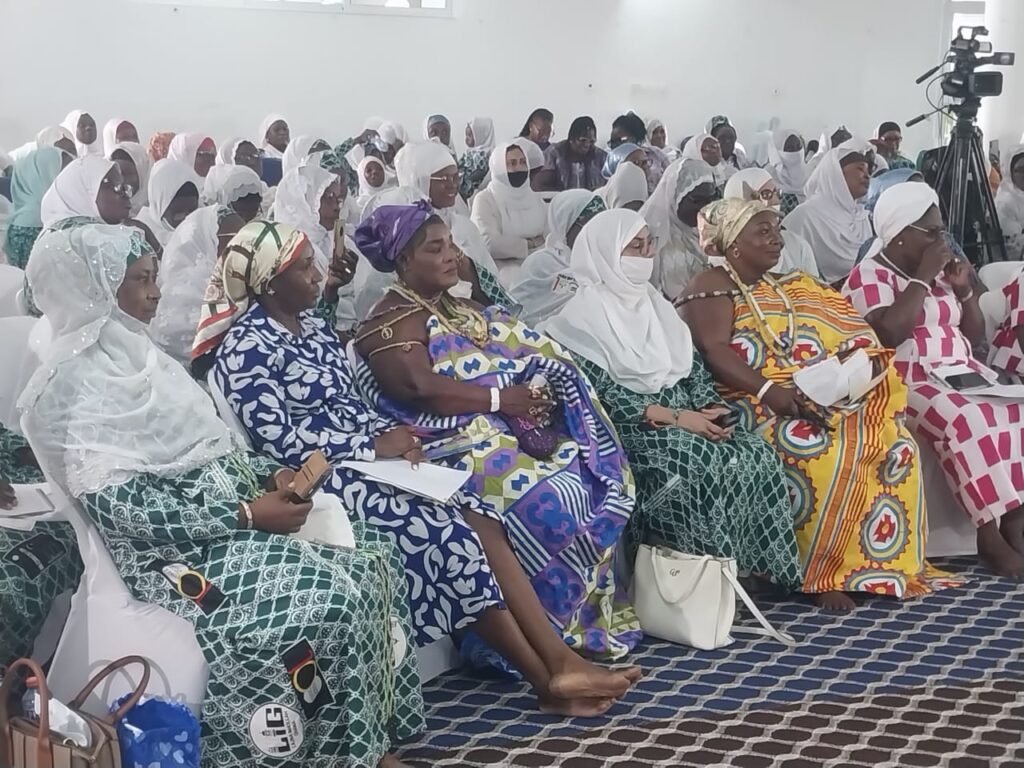
The call was made at the Third Peace Symposium organised by the Ahmadiyya Muslim Women Association (Lajna Ima’illah Ghana) on the theme: “Building a Peaceful World: The Role of Women.”
The symposium brought together representatives of various religious groups, civil society organisations and peace institutions to discuss the role of women in fostering peaceful coexistence.
Ms Amina Bin Salih a Gender Consultant and member of Lajna Ima’illah Ghana, said the symposium sought to dispel misconceptions about Islam by projecting its true teachings of peace, justice and compassion.
She observed that although Islam had often been misunderstood or misrepresented, its core message remained one of peaceful coexistence and respect for humanity.
“The true teachings of Islam are about peace, embracing everyone and living harmoniously with one another,” she said.
Ms Salih, in her keynote speech revisited the teachings of the Holy Prophet Muhammad (Peace Be Upon Him), the Promised Messiah and the institution of Khilafat, describing spiritual leadership as essential to preserving the authentic teachings of Islam.
She stressed that sustained advocacy for peace was necessary at a time of increasing global conflicts and insecurity.
“We must continue inviting people to peace because if we stop speaking about peace, nothing changes. We need to return to our Creator and sincerely practise the values our faiths teach,” she stated.
On the role of women, Ms Salih described them as agents of change capable of influencing families and communities through their nurturing responsibilities.
“When women embrace peace, they influence their children and families to do the same. Children must be raised to understand the true teachings of religion so they grow into responsible and peaceful citizens,” she added.
She noted that despite progress in advancing gender equality, persistent challenges, including domestic violence and other forms of gender-based violence, required sustained public education and stronger institutional responses.
Mrs Levinia Addae-Mensah, Executive Director of the West Africa Network for Peacebuilding (WANEP), said the symposium underscored two critical pillars of sustainable peacebuilding: religion and women’s leadership.
She said religion should not merely be practised as a ritual but reflected in everyday conduct, adding that genuine faith should inspire compassion, justice and peaceful coexistence.
“The event reminded me that irrespective of our different faiths, what matters is how we live our lives and the relationship we maintain with God,” she said.
Mrs Addae-Mensah also challenged prevailing narratives that portray women as passive participants in peacebuilding, insisting that women were already leading peace initiatives in communities across the country.
“Women are not waiting to be included. Women are already building peace and leading peaceful processes in many communities,” she noted.
The symposium saw some invitees from different religions and traditions in attendance and some participants given special peace award.
Hajia Anisa Nasirudeen Iddris, National President of Lajna Ima’illah Ghana, said the decision to invite leaders from different religious traditions reflected the association’s commitment to promoting interfaith dialogue as a tool for peace.
She said no single religious organisation could achieve lasting peace alone, stressing that collective voices carried greater influence in addressing violence and instability.
“Women and children suffer the most whenever there is conflict. That is why women across all faiths must unite to advocate for peace and inspire positive action,” she said.
Hajia Iddris explained that Islam encouraged peaceful coexistence and respect for followers of all religions, noting that humanity’s shared responsibility should transcend religious and ethnic differences.
“We do not discriminate on matters concerning the welfare of society. We believe everyone has something valuable to contribute towards building a peaceful nation,” she added.
She urged women to continue educating their families and communities on the importance of peace and tolerance, saying women possessed enormous influence in shaping attitudes within the home.
A representative of the National Peace Council also stressed the devastating humanitarian consequences of conflict, particularly on women and children, citing displacement, disrupted education and the collapse of essential social services in conflict-affected communities.
The representative said women were naturally positioned to nurture values of tolerance and discourage young people from engaging in violent activities.
“We should learn to tolerate one another irrespective of our religion, ethnicity or political affiliation. We are one people with different opinions, and peace remains our collective responsibility,” the representative said.
Participants at the symposium renewed calls for governments, religious institutions, civil society organisations and communities to deepen collaboration in promoting dialogue, tolerance and women’s participation in peacebuilding.
They expressed optimism that sustained interfaith engagement and the empowerment of women would contribute significantly to national unity and lasting global peace.
GNA
Edited by George-Ramsey Benamba
Reporter: Samira Larbie