By Jibril Abdul Mumuni
Accra, July 15, GNA – Stakeholders in Africa’s digital finance sector have identified stablecoins as a practical solution to longstanding challenges in cross-border payments.
The stakeholders cited stablecoins potential to reduce transaction costs and settlement times across the continent.
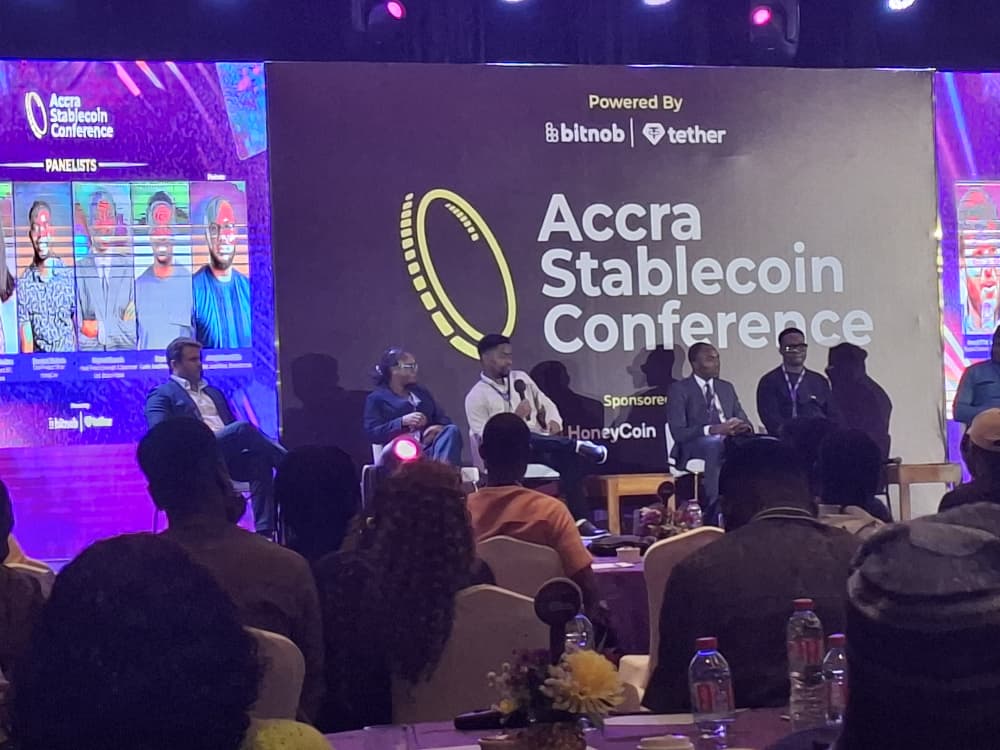
The call was made at the Accra Stablecoin Conference, which brought together regulators, fintech firms, digital asset companies and payment service providers to discuss the future of payments and financial infrastructure in Africa.
The conference featured discussions on payment infrastructure, financial inclusion, stablecoin adoption and digital asset regulation.
A stablecoin is a type of digital asset whose value is tied to a relatively stable asset such as the United States dollar or another fiat currency.
Unlike cryptocurrencies that experience sharp price volatility, stablecoins are designed to maintain a stable value and facilitate payments, transfers and settlements.
Cross-border payments have long posed challenges for businesses and individuals in Africa.
Transfers between countries often involve multiple intermediaries, high transaction costs and lengthy settlement periods.
In many cases, payments between neighbouring African countries are routed through foreign currencies, particularly the United States dollar.
This increases costs and exposes users to exchange rate risks.
Ms Esther Kamau, Senior Product Manager at HoneyCoin, said stablecoins were helping to address the twin challenges of high costs and slow settlement in cross-border payments.
She said broader adoption of stablecoins could make international transactions as seamless as local transfers.
Ms Kamau said consumers could eventually benefit from stablecoin-powered payments without necessarily being aware of the technology operating in the background.
Mr Damilola Roberts, Growth Lead at Bitnob, said stablecoins were helping businesses overcome longstanding barriers associated with cross-border transactions.
He said transfers between African countries through conventional banking channels could take several days to settle.
Mr Roberts said stablecoin-powered infrastructure was making it possible for businesses to complete settlements within minutes or hours.
“Stablecoin solves the problem of time, ease and speed,” he said.
He said businesses were increasingly using stablecoins for supplier payments and treasury management.
According to him, the technology is moving beyond speculation and becoming a practical tool for commerce.
Mr Caleb Afaglo, President of the Chamber of Digital Assets and Blockchain Innovations (CDABI), Ghana Chapter, said Ghana’s digital asset ecosystem had made significant progress in recent months.
He said engagement between regulators and industry players had improved through regulatory sandbox initiatives.
Mr Afaglo said stablecoins should complement existing payment systems rather than replace them.
He called for stronger collaboration among regulators, banks and fintech firms to support innovation while protecting consumers.
GNA
Reporter: Jibril Abdul Mumuni
[email protected]
Edited by Samuel Osei-Frempong