By Muyid Deen Suleman, GNA
Kumasi July 13, GNA – Development Bank Ghana (DBG) has unveiled a flagship women’s lending programme, aimed at eliminating barriers that have long constrained women entrepreneurs across Ghana and, in turn, accelerate credit support to women to grow their businesses.
DBG, a long-term capital institution committed to catalysing business expansion, innovation and economic transformation, made the announcement during an event in Kumasi to mark its fifth anniversary with customer appreciation and a business dialogue for entrepreneurs.
The programme, featured compelling testimonies from end-borrowers, alongside targeted discussions on the financing ecosystem in Ghana.
Entrepreneurs drawn from diverse sectors, shared first-hand experiences of how DBG-backed financing-accessed through Participating Financial Institutions (PFIs), helped them navigate challenges and scale their businesses.
The dialogue created a platform for frank engagement among business owners, financial institutions and DBG leadership on what is working, the persistent obstacles confronting entrepreneurs, and practical ways to strengthen support for underserved sectors.
Professor Randolph Nsor-Ambala, Chief Executive Officer (CEO) of the bank, noted that, since its establishment in 2021, DBG had continued to narrow financial disparities.
He stated that, the bank was founded five years ago to close the financing gap and enable Ghana’s most productive businesses to realise their full potential.
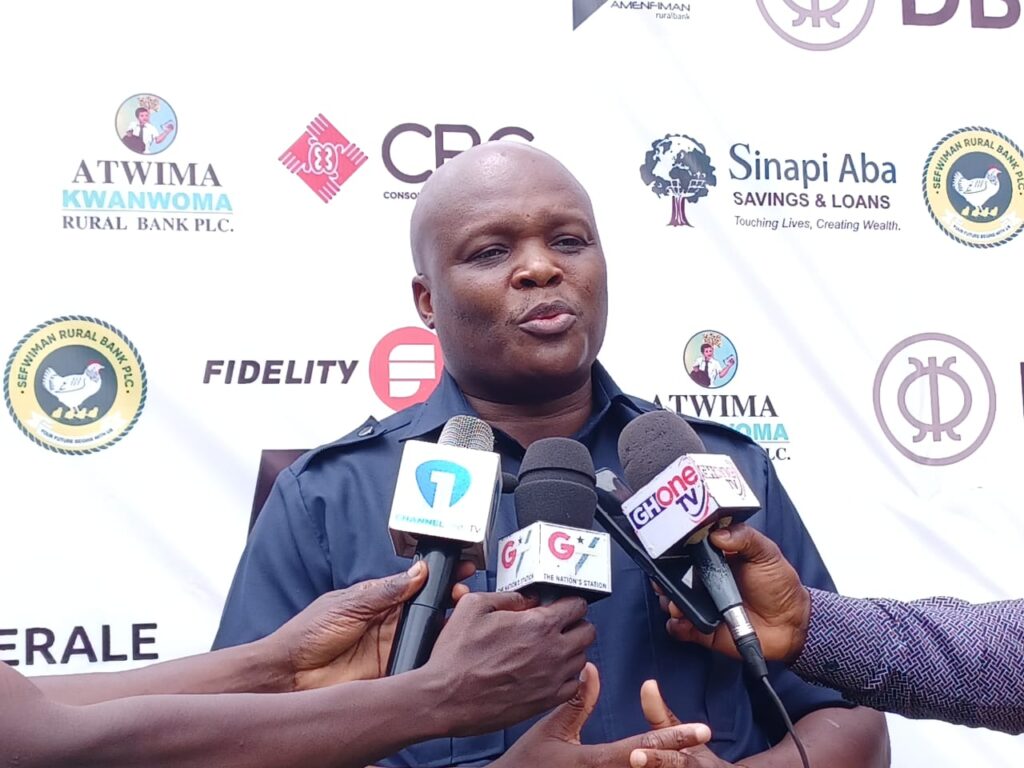
Prof. Nsor-Ambala further explained that, DBG remained focused on bridging Ghana’s long-term financing gap through the provision of wholesale capital and capacity-building for financial institutions across the country.
He emphasised that, the DBG Women’s Lending Programme was designed to confront structural constraints including onerous collateral requirements, demanding documentation processes, limited access to productive assets, and higher borrowing costs, factors that affected women-owned and women-led enterprises.
The CEO disclosed that, the programme was projected to benefit over 1,000 women-owned and women-led businesses between 2026 and 2028 nationwide.
He said the initiative was built with a strong gender lens to generate evidence for further scale-up and to attract additional resources from development partners.
Eligible business categories include agriculture and agribusiness, manufacturing, education, technology, creative industries, hospitality and services.
The programme also applies a personal-based design framework to meet the varied needs of women entrepreneurs from smallholder farmers in the Northern region to manufacturing SME owners in Kumasi.
On lending terms, DBG said loan issuance would include simplified documentation, flexible collateral options, appropriately sized credit, competitive pricing and integrated business advisory support.
With these interventions, DBG is creating practical pathways for more women-owned businesses to access the capital required to expand operations, create jobs and build resilient enterprises.
Some participants expressed heartfelt gratitude to DBG for the bold initiative, while underscoring the hope that its sustainability will become a reality.
GNA
Edited by Kwabia Owusu-Mensah/Kenneth Odeng Adade