By Daniel Agbesi Latsu
Kadjebi (O/R), June 26, GNA – Women have been urged to develop a keen interest in elective positions to enhance their participation in governance and contribute meaningfully to national development.
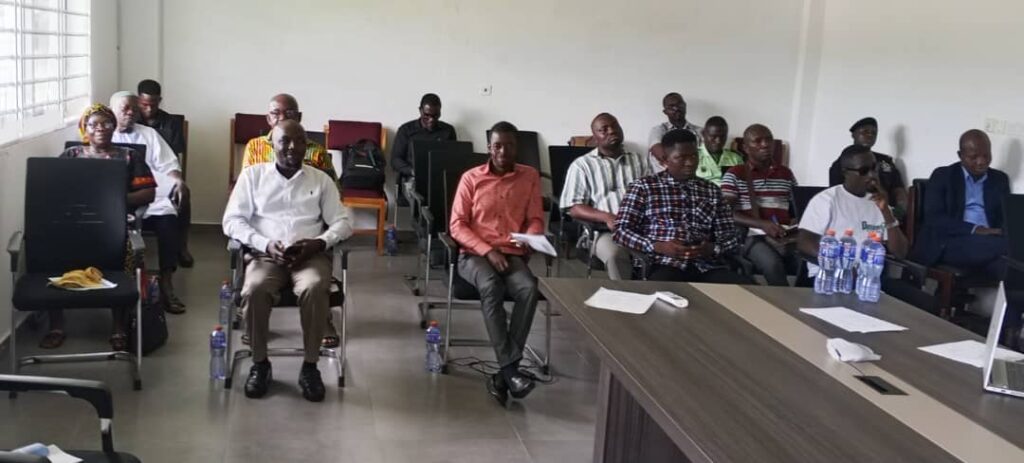
Participants at a dialogue on the implementation of the Affirmative Action (Gender Equity) Act, 2024 (Act 1121), held at Kadjebi in the Oti Region, observed that the low participation of women in elective and decision-making positions was hindering Ghana’s quest for inclusive development.
The dialogue was organised by the Network of Communities in Development (NOCID), a Kadjebi-based non-governmental organisation, in partnership with ActionAid Ghana.
Contributing to discussions, Nana Kwasi Kram II, Adontenhene of the Asato Traditional Area, said women constituted about 51 per cent of Ghana’s population and their continued low participation in politics and leadership positions was not healthy for the country’s democratic growth.
He said although some cultural and traditional practices had contributed to the marginalisation of women in leadership, society must re-examine and reform such practices to create opportunities for women to actively participate in governance.
Nana Kram II called on traditional leaders, political parties, civil society organisations and families to support women who aspire to leadership positions.
“We cannot achieve sustainable development if more than half of our population is underrepresented in decision-making processes,” he stated.
Madam Agnes Obour, Coordinator of NOCID, said the passage of the Affirmative Action Act marked a significant milestone in Ghana’s efforts to promote gender equality and women’s empowerment.
She noted that despite progress made over the years, women remained underrepresented in political leadership, public administration and other key sectors of the economy.
Madam Obour said the dialogue was aimed at increasing public awareness of the provisions of the law and encouraging stakeholders to support its implementation.
She urged women to build confidence, acquire the requisite skills and take advantage of opportunities created by the law to seek elective and appointive positions.
Presenting a paper on the objectives of the Affirmative Action Law, political parties and women’s representation, Mr Anthony Ankutse, Deputy District Coordinating Director of Kadjebi District Assembly, said the Act sought to address historical gender imbalances and ensure equitable representation of women in public life.
He explained that the law provided a framework for achieving progressive gender balance in leadership and decision-making structures across both public and private sectors.
Mr Ankutse called on political parties to deliberately create enabling environments for women to contest internal elections and parliamentary seats.
He said increasing women’s representation would enrich governance through diverse perspectives and improve policy outcomes for the benefit of all citizens.
Participants appealed to government institutions, traditional authorities, political parties and development partners to intensify advocacy and capacity-building programmes to encourage more women to take up leadership roles.
They expressed optimism that the effective implementation of the Affirmative Action Act would help bridge the gender gap and promote inclusive national development.
GNA
Edited by Maxwell Awumah /Kenneth Odeng Adade