By Francis Ntow
Accra, June 24, GNA – Panelists at the 2026 West and Central Africa Youth Forum on Monday urged young people across the two sub-regions to build resilience, uphold global standards, and develop financial discipline to unlock the full potential of entrepreneurship and employment.
The forum, organised by the World Bank, was on the theme: “Youth Works. Africa Thrives,” underscoring the need to build focus, earn credibility, and manage money wisely.
The forum brought together young entrepreneurs, students, government representatives, private sector actors, and development partners to confront the urgent issue of creating meaningful and sustainable opportunities for young people.
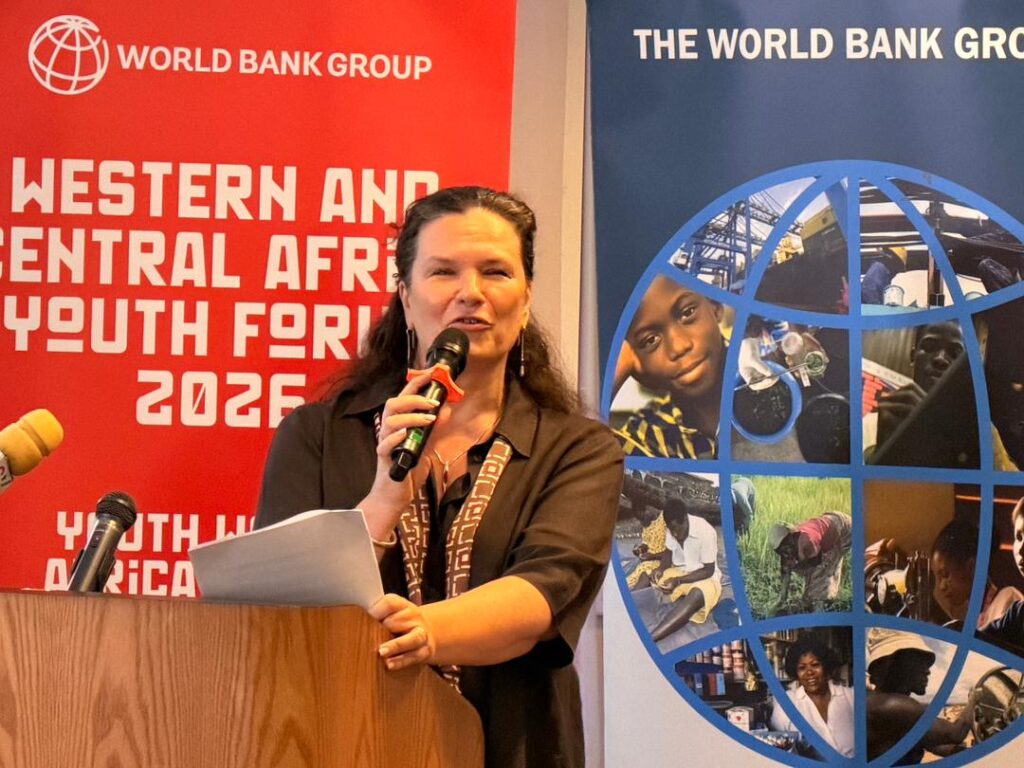
Michelle Keane, Operations Manager, World Bank, covering Ghana, Liberia, and Sierra Leone, who opened the session, noted that already young people were building businesses, driving innovation, and shaping economies.
“The real question is whether systems, institutions, and investments are moving fast enough to match their ambition,” she said.
Ms Keane acknowledged that Ghana had strong foundations to build on, including an entrepreneurial culture, expanding digital ecosystem and vibrant network of small and medium-sized enterprises that were essential to job creation.
However, she identified some gaps such as many Small and Medium-sized Enterprises (SMEs) failing to meet productivity and growth objectives, limited access to finance, weak market linkages, inadequate skills, scarce mentorship, and insufficient digital tools.
“As the country works to consolidate its economic recovery and restore more inclusive growth, addressing these challenges is essential and a priority,” Ms Keane said, adding that sustainable job creation required policy, investment, and entrepreneurship convergence.
She outlined the World Bank Group’s two-track approach to the challenge, working on the public sector side to strengthen policy and investment foundations, including a recently approved US$300 million project to end double-tracking in senior high schools and improve skills development.
She said the Bank’s sister institution, the International Finance Corporation (IFC), also partnered with businesses and financial institutions to unlock investment and expand access to finance for firms looking to grow and create jobs at scale.
“The country’s growth trajectory will largely depend on how successful young people transition from education into productive employment, from ideas to enterprises and from ambition into concrete opportunity,” the Word Bank Operations Manager said.
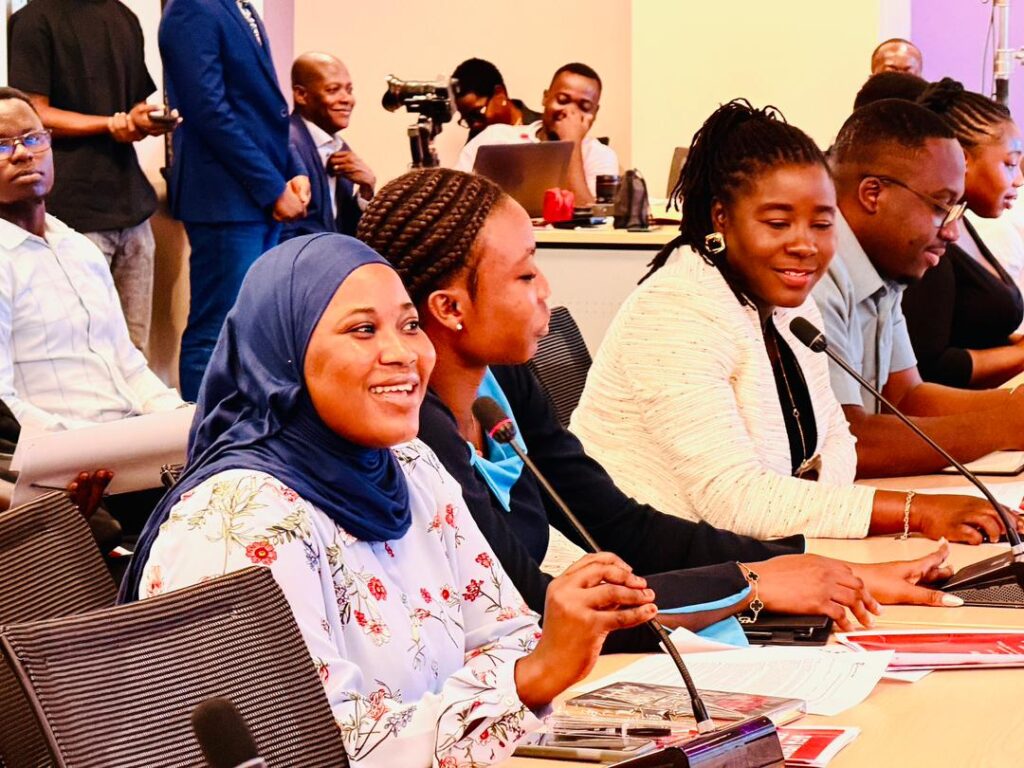
Mr Caleb Edwards, Managing Director of WamiAgro, underscored resilience, especially for multi-skilled entrepreneurs, urging them to focus on one business and driving it with everything, rather than spreading energy across multiple pursuits and achieving none.
“Resilience and clarity beat talent alone. Focus on one skill that powers resilience and results. You can paint, run, dance – but pick one and drive it,” he encouraged young entrepreneurs.
Maame Yaa Owusu-Amoah of the United Nations Capital Development Fund (UNCDF), speaking on finance, argued that the challenge was not about funding unavailability, but young businesses were not adequately prepared to access them.
She described a broken financing ladder, where young businesses were too large for microloan products, not yet structured enough for traditional bank lending, and not sufficiently return-oriented to attract venture capital.
“Grants can keep early-stage businesses breathing but cannot scale them. Young entrepreneurs must build the financial records, business projections, and investor-ready documentation that allow a financier to make a confident decision,” Ms Owusu-Amoah.
“If you have what it takes to convince this person to give you their money, you are going to eventually access finance… a digital financial footprint – through payment systems and clear transaction records – gives businesses a measurable profile that investors can assess,” she said.
Elli Banini, CEO of Digits, noted that the critical distinction between businesses that attracted repeat customers and those that did not depended on meeting global standards and not local shortcuts that could not scale their businesses.
“If you observe and build a global-standard product and you put yourself out there, the results are clear,” he said, noting that most firms lost international contracts because they were built to “Accra standards.”
“Certifications like ISO and disciplined delivery create repeat customers and trust. Sustainable businesses require consistent quality, credibility, and the readiness to prove impact,” said, Mr Banini said.
Ms Hilda Nimo-Tieku, Managing Director, Jobberman Ghana, speaking about employability, stated that most recruiters concentrate on passion that could drive young people above difficulties, followed closely by resilience and financial discipline.
She said access to funding meant nothing if the recipient lacked the judgment to deploy it correctly, including separating personal expenses from business investment and protecting the returns that a funder expected.
She advised young people considering entrepreneurship to gain some corporate experience first, arguing that the discipline of working within a structured environment – showing up on time, delivering without being pushed, helped in building invaluable habits when people worked for themselves.
GNA
Edited by Agnes Boye-Doe
Reporter: Francis Ntow