A GNA Feature by Edward Williams
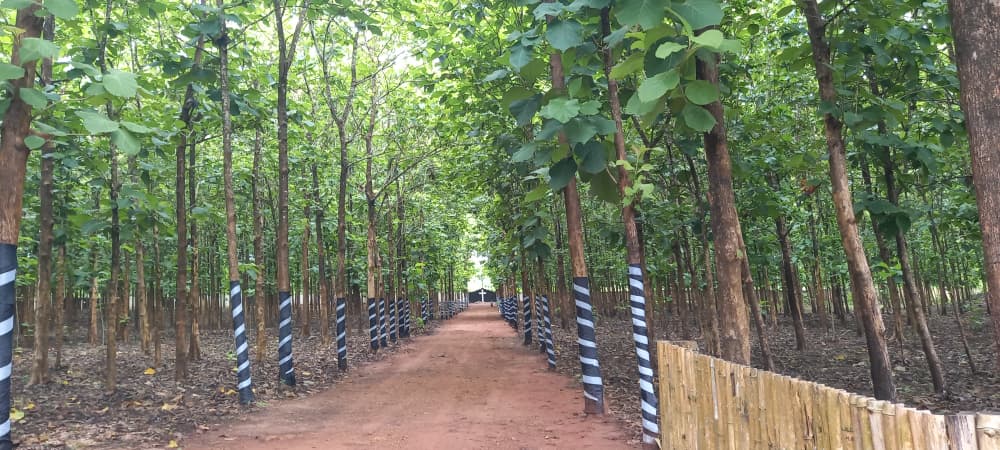
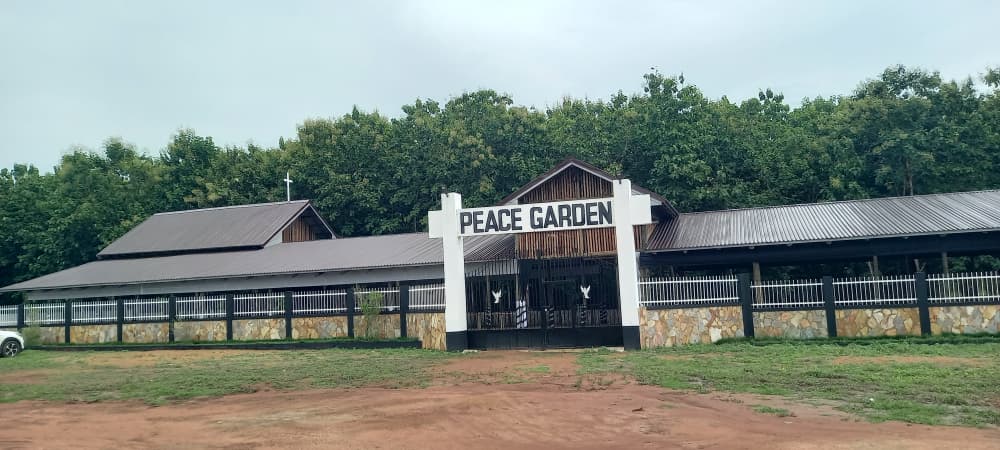
Hohoe (V/R), June 23, GNA – The gates of Peace Garden, Ghana’s largest private cemetery, slowly opened before me, revealing a tranquil expanse of teak trees spread across more than 25 acres at Kpando in the Volta Region.
The serene, well-fenced memorial park offers families a peaceful environment in which to bid their loved ones a final farewell. A short walk through the shaded grounds evokes reflection and raises an important question: Are we separating families in death, or simply providing a dignified resting place where the departed are not overcrowded, disturbed, or forgotten as they await their final resurrection?
The Rise of Private Cemeteries
Private cemeteries emerged globally in the 19th century as a response to overcrowded churchyards and public burial grounds. Rapid urbanisation, population growth, and public health concerns led to the establishment of professionally managed garden cemeteries and memorial parks such as Highgate Cemetery in England and Père Lachaise Cemetery in France.
Across Africa, burials traditionally took place on family lands, ancestral compounds, and community cemeteries. However, growing urban populations and mounting pressure on public burial grounds since the 1990s have encouraged the development of private memorial parks, including Avalon Memorial Park in South Africa and Lang’ata Cemetery Gardens in Kenya.
In Ghana, most burials before the 1990s occurred in family compounds or public cemeteries. As cities such as Accra and Kumasi expanded, existing burial grounds became increasingly congested, creating demand for professionally managed memorial gardens that offer enhanced security, landscaping, and long-term maintenance.
Notable examples include Gethsemane Memorial Garden, Paradise Rest Garden, Graceland Memorial Gardens, and Heritage Memorial Gardens.
In the Volta Region, burial practices remain largely rooted in family and community cemeteries because of strong ancestral traditions, although designated family burial grounds exist in parts of the Keta enclave. Nevertheless, changing lifestyles and urbanisation are gradually creating demand for private memorial parks such as Port Dupade Memorial Garden and Peace Garden.
Legal Framework
The establishment of private cemeteries in Ghana is governed by the Mortuaries and Funeral Facilities Act, 1998 (Act 563). Section 28 of the Act empowers a District Assembly, acting on the advice of its District Committee, to license a parcel of land designated by an individual as a private burial ground if it meets prescribed requirements.
Mr Nelson Kweku Ofosu, owner of Peace Garden, told the Ghana News Agency (GNA) that the cemetery was established in response to concerns about the poor maintenance and management of many public cemeteries, particularly heavily congested facilities such as Awudome Cemetery and others in parts of the Volta Region.
According to him, the land originally served as a teak plantation developed nearly 18 years ago before it was transformed into a memorial garden to address what he described as a growing national need for decent, organised, and secure burial spaces.
When fully occupied, Peace Garden is expected to accommodate more than 25,000 burial plots.
A Forest-Based Burial Concept
Mr Ofosu said all legal and regulatory requirements for establishing the cemetery were duly observed.
He explained that Peace Garden operates on a forest-based burial concept that is environmentally friendly and rooted in tradition. Only biodegradable caskets and coffins are permitted for interment, while the surrounding teak forest provides a serene setting for both visitors and the departed.
According to him, the coexistence of burial grounds with natural forests dates back to traditional village cemeteries and helps create a cool, peaceful atmosphere.
To preserve the stability and growth of the trees, burial plots are carefully arranged along designated lanes.
Burial Procedures and Cost
While burial services at private cemeteries in Ghana are often considered expensive because of operational and maintenance costs, Mr Ofosu described Peace Garden as affordable.
He noted that the cemetery operates under strict legal and administrative procedures that distinguish it from public cemeteries. Before purchasing a burial plot, clients are required to understand and agree to the cemetery’s rules and regulations.
A Burial Plot Purchase Agreement is signed by both parties, with copies retained by the cemetery and the client. The agreement clearly outlines the rights and responsibilities of plot holders.
“No burial is allowed without a permit from the Births and Deaths Registry for the deceased,” Mr Ofosu stated.
Security and Employment
To safeguard graves and visitors, Peace Garden employs solar-powered lighting, security cameras, controlled access systems, and strict anti-trespassing measures.
Mr Ofosu said the cemetery’s impact extends beyond burial services.
“Beyond providing dignified burial services, the cemetery has created employment opportunities for videographers, grave diggers, technicians, caretakers, painters, fumigation personnel and several other service providers, contributing to the local economy while ensuring professional maintenance of the facility,” he said.
The Patience Agnes Ofosu Auditorium
Adjacent to the cemetery stands the Patience Agnes Ofosu Auditorium, a 1,500-seat multipurpose event centre named after Mr Ofosu’s late wife.
Constructed largely from teak and assembled using tightly bolted timber structures, the facility hosts funerals, weddings, church conventions, political meetings, and other large gatherings.
Mr Ofosu explained that its location away from the busy town centre offers a peaceful atmosphere and ample parking space, helping to reduce traffic congestion during major events.
A Growing Appeal
On a quiet Saturday morning, I accompanied a grieving family as they followed the hearse carrying their beloved son for burial.
Dirges filled the air and tears flowed freely. Yet amid the sorrow, there were quiet expressions of admiration for the beauty and serenity of the garden.
One mourner softly remarked: “I wish I could even reserve a plot for myself here.”
Public Perception
Ms Rachael Adalevo, Co-founder of the Biology of the Girl Child Summit, told GNA that her experience following the loss of her father helped her appreciate the value of private funeral facilities.
She said paying for private funeral services, including a private morgue and a private cemetery such as Peace Garden, provides peace, privacy, and the time needed to grieve without pressure, making the additional cost worthwhile.
As Ghana’s urban population continues to grow and pressure on public cemeteries intensifies, private memorial gardens such as Peace Garden may increasingly complement the country’s traditional burial systems, offering families a secure, dignified, and environmentally conscious final resting place for their loved ones.
GNA
Edited by Maxwell Awumah/Audrey Dekalu
Reporter: Edward Williams