By Yussif Ibrahim
Kumasi, June 18, GNA – The Ashanti Regional Health Directorate is set to embark on a Mass Drug Administration (MDA) exercise against Onchocerciasis, also known as river blindness, and Schistosomiasis, commonly called bilharzia, in selected districts across the region.
The exercise, which forms part of Ghana’s drive to eliminate Neglected Tropical Diseases (NTDs) as a public health problem by 2030, will run from June 20 to July 3, 2026.
The onchocerciasis component of the exercise will be carried out in nine districts, including Ahafo Ano North, Asante Mampong, Atwima Mponua, Offinso North, Ejura Sekyeredumase, Sekyere East, Sekyere Central, Sekyere Kumawu and Sekyere Afram Plains.
Three of these districts – Atwima Mponua, Sekyere Afram Plains and Sekyere Kumawu are also endemic for schistosomiasis and will, therefore, receive an integrated treatment covering both diseases.
Dr Fred Adomako-Boateng, the Ashanti Regional Director of Health Services, said the exercise was aimed at interrupting the transmission of the two diseases, reducing the intensity of infection, and preventing disability such as blindness and elephantiasis among residents in the affected districts.
“Onchocerciasis and schistosomiasis remain a major public health concern in some parts of the region, and this mass drug administration exercise offers us the best opportunity to protect our people, especially those in riverine communities, from the debilitating effects of these diseases,” he said.
He explained that, trained Community Drug Distributors (CDDs) would go from house to house within the affected communities to register eligible persons and administer the medicines.
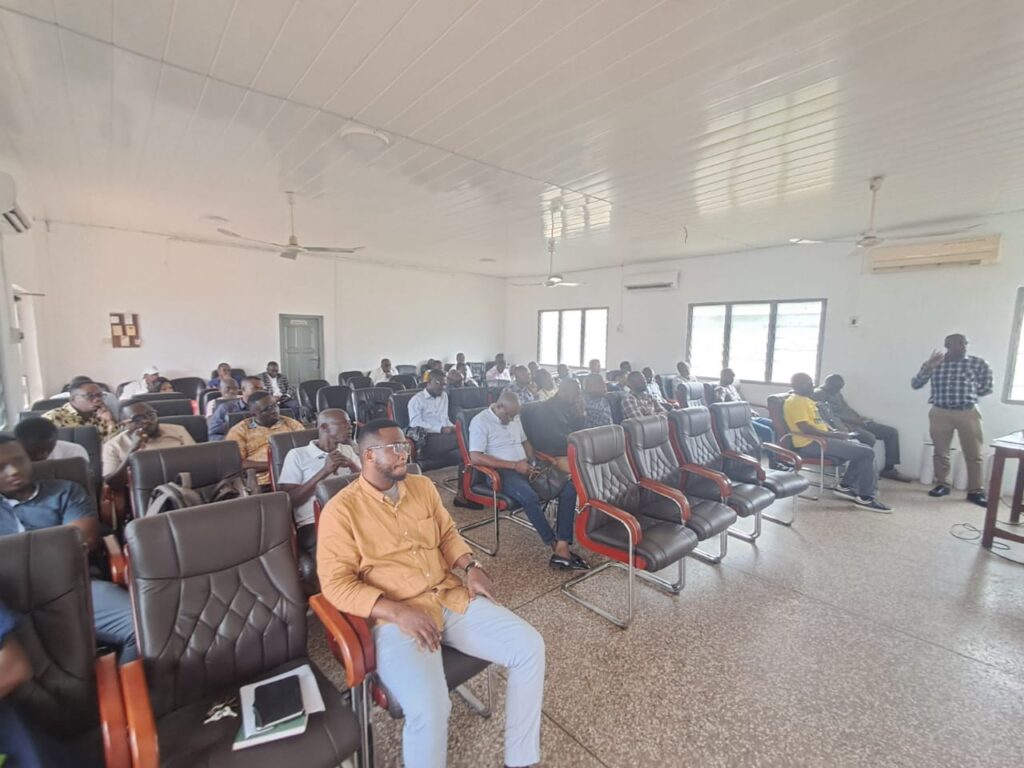
Dr Adomako-Boateng noted that dosage for the drugs would be determined by the height of individuals, and urged community members to make themselves available to the CDDs during the period to ensure full coverage.
He, however, cautioned that certain categories of persons, including pregnant women, children below the required height, mothers breastfeeding babies less than one week old, and persons who are seriously ill, would be excluded from taking the medicines during the exercise.
The Regional Director appealed to chiefs, assembly members, religious leaders, and other opinion leaders in the affected districts to support the exercise by mobilising their communities and dispelling any myths or misconceptions about the safety of the drugs.
Dr Adomako-Boateng reiterated the Ghana Health Service’s commitment to ensuring that no community was left behind in the fight against NTDs, calling for the cooperation of all stakeholders to make the exercise a success.
Onchocerciasis is transmitted through the bite of an infected blackfly that breeds along fast-flowing rivers and streams, while schistosomiasis is contracted through contact with water bodies contaminated with the parasite.
Both diseases are associated with significant morbidity, including blindness, skin disease, and damage to internal organs, if left untreated.
GNA
Edited by Kwabia Owusu-Mensah/Lydia Kukua Asamoah
Reporter: Yussif Ibrahim
[email protected]