Accra, June 1, GNA – Climate negotiators from Africa have begun intensive consultations in Bonn, Germany, to strengthen the continent’s negotiating positions ahead of the 64th Sessions of the Subsidiary Bodies (SB64) of the United Nations Framework Convention on Climate Change (UNFCCC).
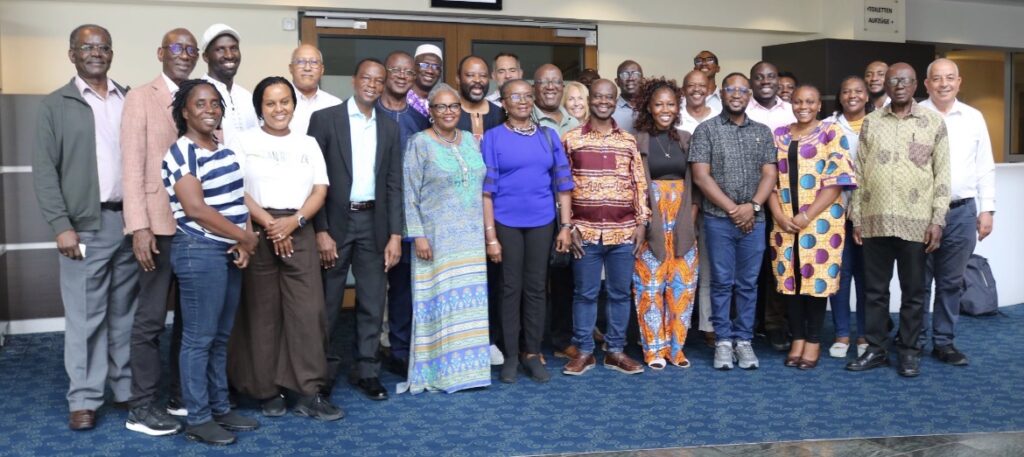
The meeting, which brings together Lead Coordinators of the African Group of Negotiators (AGN), is aimed at aligning priorities, enhancing coordination and consolidating Africa’s common positions across critical climate negotiation tracks ahead of the June climate talks.
Opening the meeting, Nana Dr Antwi-Boasiako Amoah, Chair of the AGN, urged negotiators to demonstrate unity, discipline and commitment as the continent prepares to engage in what is expected to be a crucial phase of global climate negotiations.
He noted that the outcomes of the negotiations would have significant implications for Africa’s efforts to secure increased climate finance, strengthen adaptation measures, address climate-induced losses and damages, and advance a just transition towards low-carbon development.
“Having been in the process for years, we all know the value of personal commitment and discipline in this process,” Nana Dr Amoah said.
“Based on our strategic priorities across thematic areas and negotiating clusters discussed at the Accra meeting in March, the work ahead is huge and requires total dedication by all.”
The AGN Chair stressed the need for negotiators to maintain a unified African voice throughout the negotiations to ensure that the continent’s priorities are effectively reflected in global climate decisions.
He said Africa’s ability to influence outcomes depended largely on the strength of its collective position and the consistency of its messaging across different negotiation streams.
The Bonn preparatory meeting has brought together lead coordinators from several thematic areas, including adaptation, climate finance, loss and damage, mitigation, agriculture, climate and health, just transition and Article Six of the Paris Agreement.
Participants are reviewing key agenda items expected to dominate discussions during SB64 while assessing progress made in implementing decisions reached during the AGN Strategy Meeting held in Accra, Ghana, earlier this year.
The coordinators are also examining elements of the African Common Platform, which serves as the continent’s guiding framework for climate negotiations and outlines Africa’s priorities on major climate policy issues.
Nana Dr. Amoah said the platform remained central to ensuring coherence in Africa’s engagement and strengthening the continent’s bargaining power in international climate discussions.
“Our strength lies in our unity and our ability to speak with one voice,” he stated.
“The work we do here is critical to ensuring that Africa’s priorities are effectively reflected in the negotiations and that our continent continues to advocate for ambitious and equitable climate action.”
The meeting is also focusing on preparations for high-level engagements scheduled during the Bonn session, with coordinators tasked to facilitate coordinated messaging and ensure consistency in interventions by African ministers and heads of delegation.
Climate experts say the Bonn talks will be important in setting the agenda and building momentum towards the next rounds of negotiations, including preparations for the 31st Conference of the Parties (COP31).
The session is also expected to lay the groundwork for COP32, which Africa is seeking to host, presenting an opportunity for the continent to place its development and climate priorities at the centre of global climate discussions.
Key issues expected to feature prominently at SB64 include scaling up climate finance for developing countries, strengthening adaptation frameworks, operationalising loss and damage mechanisms, advancing just transition pathways and improving access to carbon markets under Article Six of the Paris Agreement.
For Africa, which contributes the least to global greenhouse gas emissions but remains among the most vulnerable regions to climate change impacts, the negotiations represent a critical opportunity to push for equitable outcomes and greater support for climate-resilient development.
GNA
Edited by Agnes Boye-Doe
Writer: Albert Oppong-Ansah
Email: [email protected]