By James Amoh Junior, GNA
Accra, May 29, GNA – Ghana has called on the international community to increase investment in peacekeeping, conflict prevention and peacebuilding initiatives, stressing that sustainable peace remains essential for global stability, economic development and human security.
The country said peace could not be taken for granted and required deliberate commitment, strong institutions, effective diplomacy and collective action to address emerging security threats and promote lasting stability across the world.
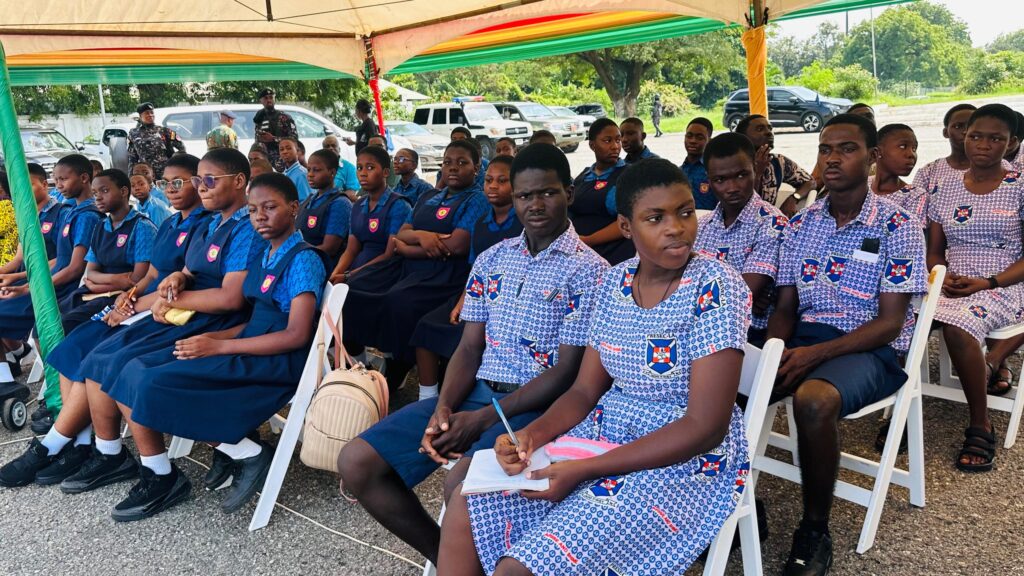
The call was made at a solemn flag-raising and wreath-laying ceremony in Accra to commemorate the 78th International Day of United Nations Peacekeepers, observed on the theme: “Investing in Peace.”
The event brought together government officials, members of the diplomatic corps, representatives of the United Nations, security agencies and peacekeeping veterans to honour the sacrifices of peacekeepers who have served and lost their lives in the pursuit of global peace and security.
The International Day of United Nations Peacekeepers is observed annually on May 29 to honour the dedication, service and sacrifice of peacekeepers worldwide.
According to the United Nations, more than 51,000 civilian, military and police personnel are currently serving in 11 peacekeeping missions globally, helping to protect civilians, monitor ceasefires, facilitate humanitarian assistance and support political processes in fragile and conflict-affected states.
Mr James Gyakye Quayson, Deputy Minister for Foreign Affairs, speaking on behalf of the Government of Ghana, said peace was not accidental but the product of deliberate investment in institutions, professionalism, diplomacy and vigilance.
“Peace requires deliberate commitment, strategic investment and collective resolve,” he said, noting that investment in peace extended beyond financial contributions to include support for strong institutions, preventive diplomacy, conflict resolution mechanisms, effective peacekeeping operations and resilient communities.
He observed that the world continued to grapple with protracted conflicts, terrorism, violent extremism, organised crime, political instability, climate-related security threats and humanitarian crises, making the work of United Nations peacekeepers increasingly indispensable.
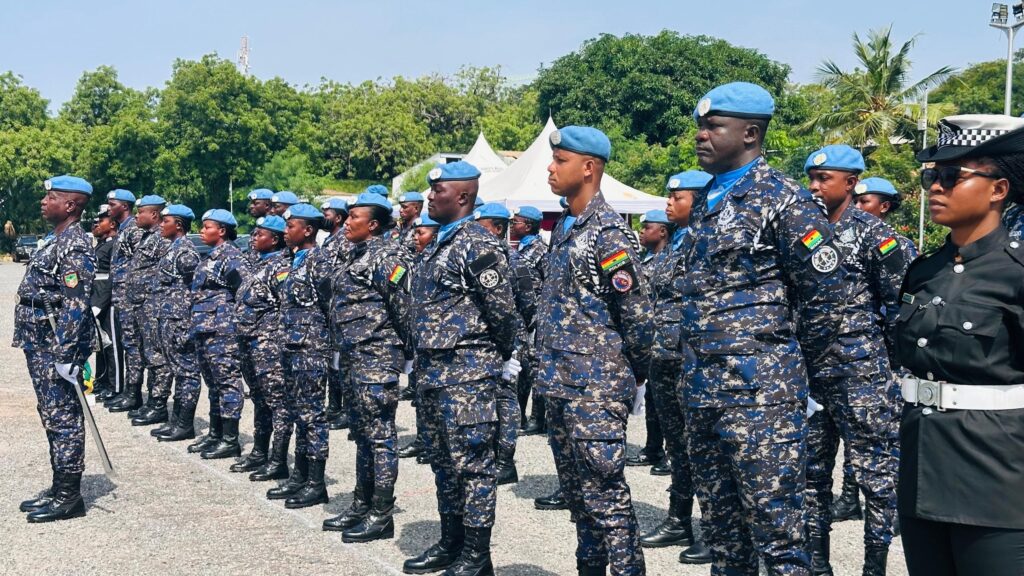
Despite operating in volatile and dangerous environments, he said peacekeepers continued to provide hope and stability to millions of vulnerable people across the world.
Mr Quayson said Ghana remained firmly committed to the principles and ideals of the United Nations Charter and had consistently contributed to global peacekeeping operations over several decades.
He noted that Ghanaian military and police personnel had distinguished themselves in missions in countries including Lebanon, South Sudan and the Democratic Republic of Congo, earning international respect for their professionalism and discipline.
“Their professionalism, discipline and sacrifice continue to bring honour to our nation and reinforce Ghana’s longstanding reputation as a champion of international peace and security,” he stated.
The Deputy Minister highlighted the contribution of the Kofi Annan International Peacekeeping Training Centre, describing it as a leading institution in Africa for building capacity in peace support operations and preparing personnel to respond effectively to evolving security challenges.
He urged the international community to ensure that peacekeeping missions received adequate resources, clear mandates and strong political support to succeed.
Mr Zia Choudhury, UN Resident Coordinator in Ghana, described UN peacekeeping as one of the international community’s most effective tools for supporting political solutions, protecting civilians and enabling humanitarian assistance in conflict zones.
He said more than 50,000 civilian, military and police personnel were currently serving under the UN flag in some of the world’s most challenging environments.
“Today, 80 years after its founding, the United Nations faces growing challenges. More civilians are at risk from conflict even as peacekeeping operations confront significant resource constraints,” he said.
Mr Choudhury expressed concern over increasing attacks against peacekeepers by both state and non-state actors, describing such actions as unacceptable and a threat to international efforts to maintain peace and protect civilians.
He said the International Day of UN Peacekeepers provided an opportunity to honour more than 4,500 peacekeepers who had lost their lives in service since 1948.
According to him, 59 peacekeepers died in active service in 2025 alone, including Warrant Officer Class One George Amin of the Ghana Armed Forces, who lost his life while serving with the United Nations Interim Force in Lebanon in February 2025.
He said the fallen peacekeepers, together with nine others who died in the previous year, would be posthumously honoured with the Dag Hammarskjöld Medal at a ceremony in New York on June 5.
Mr Choudhury noted that peacekeeping operations worldwide were currently implementing significant budget reductions, resulting in fewer personnel and a reduced operational footprint.
He said the situation called for the urgent need for member states to pay their assessed contributions fully and on time to sustain peacekeeping operations.
While the annual UN peacekeeping budget stood at approximately US$6 billion, he said the cost of war could range between US$500 million and US$1 billion per day, making peacekeeping a cost-effective investment.
“Now is the time to invest in peace, not in war,” he stressed.
The UN Resident Coordinator commended Ghana for its long-standing commitment to peacekeeping since the 1960s and described the country as one of the leading contributors of uniformed personnel to UN missions.
He disclosed that Ghana currently deployed more than 1,900 military and police personnel, including 337 women, across eight UN peacekeeping operations worldwide.
He also praised Ghana’s efforts to promote women’s participation in peacekeeping, noting that women constituted about 18 per cent of Ghana’s peacekeeping personnel, nearly twice the global average.
GNA
Edited by George-Ramsey Benamba
Reporter: James Amoh Junior
Email: [email protected]