By Anthony Adongo Apubeo
Bolgatanga, May 6, GNA – Justice Ernest Pascal Gemadzie, the Upper East Regional Supervising High Court Judge, has advocated for structured educational visits for young people to courts and prisons as a strategy to reduce crime and promote law-abiding behaviour.
He said exposing students, particularly at the junior high school level, to real courtroom proceedings and prison conditions would help them understand the consequences of criminal actions and discourage them from engaging in unlawful activities.
“The courtroom can be described as one of the best universities of life. When you attend court sittings and listen to proceedings, you hear real-life experiences that can shape behaviour,” he said.
Justice Gemadzie made the call while facilitating a court and crime reporting training organised by the Upper East Regional branch of the Ghana Journalists Association (GJA) in Bolgatanga.
The training formed part of activities to commemorate this year’s World Press Freedom Day under the theme, “Shaping a Future at Peace,” aimed at equipping journalists with knowledge on ethical, legal, and professional standards in crime and court reporting.
Justice Gemadzie explained that many young people were unaware of the realities of the justice system, including the emotional and legal consequences individuals face when they come into conflict with the law.
According to him, organised excursions to courts and correctional facilities would serve as a practical form of civic education, helping students appreciate the importance of discipline, self-control, and respect for the law.
“If young people visit prisons and see what happens there, they will grow up wanting to stay away from crime,” he added.
Justice Gemadzie noted that the media also had a critical role to play in educating the public through accurate and responsible reporting of court proceedings, which could further reinforce awareness about the justice system.
He emphasised that journalists acted as representatives of the public in courtrooms and had a duty to report fairly and objectively to enhance public understanding of legal processes.
The Judge indicated that proper reporting of court cases could help deter crime by highlighting the consequences of unlawful actions and promoting confidence in the justice system.
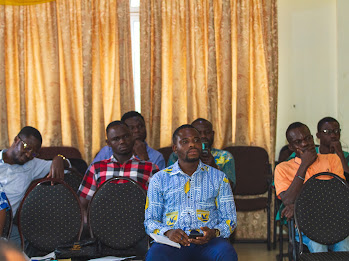
Mr Jaladeen Abdulai, the Upper East Regional Director of the Commission on Human Rights and Administrative Justice (CHRAJ), emphasised the critical role of the media, stressing that responsible journalism was essential to maintaining confidence in the justice system. He warned that poor reporting could discourage victims and witnesses from cooperating with law enforcement agencies.
“Irresponsible reporting destroys lives and erodes institutional trust. The media’s power to shape perceptions of justice carries profound ethical responsibility,” Mr Abdulai said.
He explained that crime and court reporting required accuracy, fairness, and respect for due process, urging journalists to avoid inaccuracies, sensationalism, and unverified reports that could distort public perception, prejudice cases, and weaken confidence in the judiciary.
Mr Albert Sore, the Upper East Regional Chairman of the GJA, underscored the need for journalists to be well-versed in court proceedings and activities to enable accurate reporting and avoid challenges.
He encouraged journalists to visit the courts regularly, noting that they were full of interesting and public-interest stories, and urged them to report responsibly to inform the public effectively.
GNA
Edited by Caesar Abagali /Audrey Dekalu
Reporter: Anthony Adongo Apubeo
[email protected]