By Yussif Ibrahim
Kumasi, May 29, GNA – Dr. Grace Ayensu-Danquah, Deputy Minister of Health, has announced plans by the Ministry of Health to pursue the establishment of standalone obstetric fistula treatment centres across the country to improve access to specialised care for affected women.
She said the initiative would help reduce the burden on patients seeking treatment and support efforts to eliminate obstetric fistula, a debilitating childbirth injury that continues to affect hundreds of women annually.
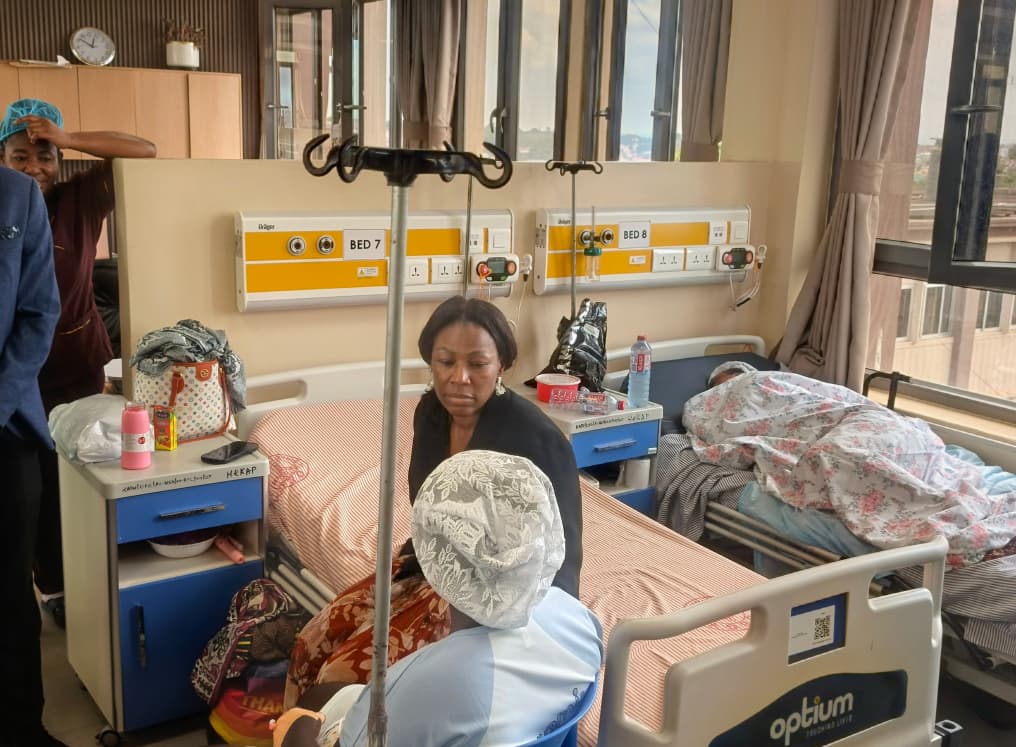
Dr. Ayensu-Danquah made the announcement during a visit to the Komfo Anokye Teaching Hospital (KATH) in Kumasi as part of activities marking the International Day to End Obstetric Fistula.
The visit was undertaken jointly by the Ministry of Health, Parliament’s Health, the Parliamentary Caucus on Population and Development, and the United Nations Population Fund (UNFPA).
The Deputy Minister commended healthcare professionals at KATH for their dedication to treating women living with fistula and restoring their dignity.
“I have observed the immense commitment of our staff, from the doctors to those supporting services in the hospital. The work being done here is commendable and deserves recognition,” she stated.
Dr. Ayensu-Danquah noted that obstetric fistula remained one of the most neglected maternal health conditions despite its devastating impact on affected women.
She said the condition was often associated with stigma, causing many women to suffer in silence and delaying their access to treatment.
The Deputy Minister expressed appreciation to the UNFPA for its longstanding support in addressing obstetric fistula in Ghana through treatment, advocacy and capacity-building initiatives.
She said discussions were underway to establish a dedicated fistula centre at tthe KATH to provide comprehensive pre-operative, surgical and post-operative care under one roof.
According to her, the current arrangement required patients to move through different sections of the hospital for treatment, a situation she described as challenging, particularly for women already experiencing health difficulties.
“We want to create a centre of excellence where treatment, recovery, training and research can take place in one location,” she said.
Dr. Ayensu-Danquah cited the successful establishment of a standalone fistula centre at Yendi in the Northern Region, developed with support from UNFPA, as a model that could be replicated in other parts of the country.
She indicated that Ghana’s long-term vision was to develop three specialised fistula centres of excellence in the northern, middle and southern belts of the country to improve access to quality care and enhance training for health professionals.
The centres, she said, would also help increase cure rates, reduce recurrence and strengthen efforts to eliminate the condition nationwide.
Dr. Wilfred Ochan, the UNFPA Country Representative for Ghana, said the organisation joined the visit to show solidarity with fistula survivors and to encourage health workers involved in their care.
He described healthcare providers as critical partners in restoring dignity, hope and opportunities to women affected by the condition.
Dr. Ochan disclosed that a recent study conducted by UNFPA in collaboration with the Ghana College of Physicians and Surgeons estimated that about 845 new obstetric fistula cases occur in Ghana each year, with figures ranging between 700 and 1,300 cases annually.
He said despite improvements in treatment services, the country still faced a backlog of between 10,000 and 12,000 untreated cases.
According to him, most women affected by obstetric fistula are young, have limited education and live in rural communities with inadequate access to maternal healthcare services.
He stressed the need for intensified prevention, early detection and treatment efforts, as well as increased public awareness to encourage affected women to seek care.
The International Day to End Obstetric Fistula is observed annually to raise awareness about the condition and mobilise support for its prevention and treatment.
GNA
Edited by Benjamin Mensah
Reporter: Yussif Ibrahim