By Naa Shormei Odonkor, GNA
Kumasi, May 13, GNA – The Ashanti Regional Centre for National Culture (CNC) has celebrated women in active service for their tremendous and positive contributions in society and the country at large.
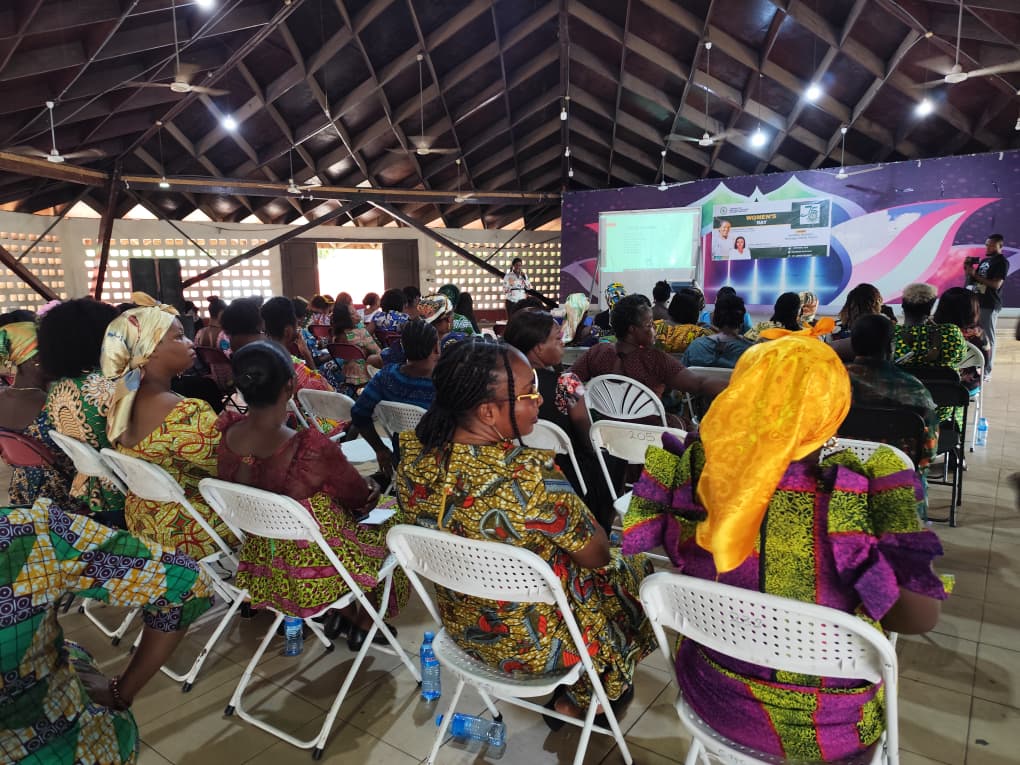
Female cultural officers from all the district offices of the CNC in the Ashanti Region, the Ghana Library Authority, Ghana Museums and Monument Board, and Ghana Tourism Authority converged at the Kumasi Cultural Centre to be celebrated.
Clothed in ‘Kaba’ and slit African print styles, the women were taken through topics on stress management and hypertension.
Additionally, women staffers of the performing arts department of the CNC displayed their unique skills in drumming the local drums alongside singing praise songs to commend the strength of women.
Health personnel from the Kumasi Metropolitan Health Directorate were on hand to check the blood pressure and Body Mass Index (BMI) of the women for counselling.
Ms. Araba Abokoma Essuman, the Ashanti Regional Deputy Director of the CNC said the event formed part of activities towards the celebration of the 75th anniversary of the Ashanti Regional CNC this year.
Celebrating women on the theme: “Healthy Women, Stronger Workforce,” she said women, especially, those actively working went through a lot of stress as they tried to balance their paying jobs, home management, and personal development.
Hence, there is the need for women to be sensitised and educated on stress and its management so that their productivity would not be negatively affected at home and at their workplaces.
Ms. Lovelace Adu-Gyamfi, the Mental Health Coordinator at the Kumasi Metropolitan Health Directorate, said stress was not a disease but triggered other sicknesses when not managed on time.
She said, the World Health Organisation described stress as a natural human response that prompts the address of challenges and threats in one’s life.
Ms. Adu-Gyamfi said stress occurred when in difficult situations caused by personal relationships, parenting, child abuse, poor working conditions, work overload, financial challenges, and others.
She indicated that there were various types of stress; however, the most dangerous one was chronic stress.
Ms. Adu-Gyamfi noted that the general signs of stress included headaches, breathlessness, poor concentration, sleeplessness, mood swings, poor communication, hair loss, and others.
However, when stress becomes chronic, the possibilities of developing cardiovascular diseases, mental disorders, migraine, a weak immune system, diabetes and even death are high.
“When a person is stressed, the human body releases a high level of a stress hormone called cortisol which increases the blood-sugar level to trigger the development of diabetes,” she explained.
Relaxing, good night’s sleep for about seven to eight hours, healthy eating, exercising, counselling, socialising, listening to good music, meditation and distractions can help manage stress, Ms. Adu-Gyamfi noted.
She advised women not to be swayed by praises of their multitasking abilities but avoid being superheroines trying to fix everything to prevent them from being stressed.
At work, Ms. Adu-Gyamfi urged women, to apply for their annual leave to take a break to rest and relax their brains
GNA
Edited by Yussif Ibrahim/Linda Asante Agyei
Reporter: Naa Shormei Odonkor
[email protected]