By K. K. Nabary, GNA
Winneba (C/R), May 13, GNA – Mr Auberon Jeleel Odoom, National Coordinator of Inclusion Ghana has called on duty bearers and service providers to ensure that Persons with Disabilities (PWDs) have easy access to their facilities by removing potential barriers.
He said Article 5 of the United Nations Convention on the Rights of Persons with Disabilities (CRPD) provided for equal treatment of PWDs.
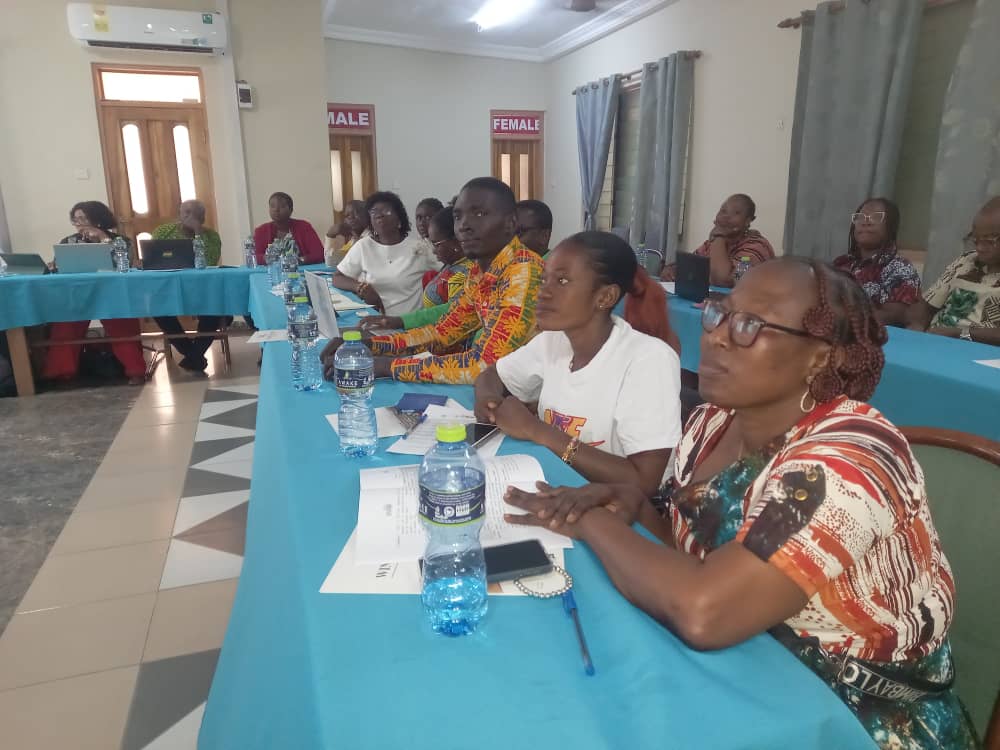
Mr Odoom made the call during a two-day Documents Dissemination workshop organised by Strengthening Partnerships to Advance Disability Rights in Africa (SPADRA), in partnership with Sweden Sverige, African Disability Forum and Inclusion African held at Winneba.
The workshop focused on disseminating guidelines on inclusion of women and girls with disability and Inclusive Education Toolkits, designed by SPADRA for participants to make inputs into the document.
In attendance were duty bearers including, CHRAJ, Social Welfare, Ghana Education Service, Parents, Civil Society Organisations, Organisation of Persons with Disability (OPD) and caregivers from GA West and Central Region, who shared their life experiences on barriers which hindered social protection, education and justice for Women with Disabilities, Parents and OPDs.
The SPADRA project is being implemented through the Pan-African Consortium of OPDs which includes African Disability Forum (ADR) Disabled women in Africa (DIWA) and Inclusion Africa.
It is aimed at enhancing gender and disability rights in Africa by strengthening the capacity of OPDs, fostering cross-disability and mainstreaming partnership at Pan-African and national levels, specifically to advance gender and disability rights in Ghana, Benin, Malawi,, and Zambia.
It is also to enhance the capacities of the Pan-African Consortium of OPDs, driving forward the rights of women with disabilities by shaping both continental and national agendas and disability while strengthening legal frameworks in the four designated countries.
He emphasised the need to promote a shared vision of inclusion, train and support Teachers, usage of flexible teaching strategies, early identification and support, improve physical accessibility, engagement of parents and the community, promoting peer support and positive school culture, providing support services, strengthen school leadership, monitoring and evaluate progress to help address barriers impeding disability inclusion generally for women and girls with disabilities.
According to Mr Odoom, Inclusion is not just about placing a child with a disability or send into a regular classroom or to work in an industry, but it is about transforming the school or the workplace, so that its works for every citizen.
The project explains that inclusive education champions equal opportunities in learning for all persons, regardless of their abilities, rooted in principles of fairness and justice and aiming at fostering a societal ethos where every person is recognised and valued.
He stated that objective of the guide is to inform social service providers, particularly duties bearers at the local level about key issues that created barriers for women and girls with disabilities to enjoy their rights to social services and to provide practical measures for addressing them.
He explained that it also focussed on providing an understanding of the intersectionality of gender and disability, the principles of inclusion and best practices for effective inclusion, useful to all persons who provided services to PWDs, particularly women and girls with disability.
He said the document would further guide duty bearers, private sector, civil society organisation, and advocates to prescribe right measures at ensuring inclusive services as stated in Article 1 of the UN CRPD definition of PWDs.
He noted that Women and Girls with disabilities across Africa encountered compounded obstacles, ranging from culture biases to limited healthcare access and social expectations that impede their educational opportunities.
“Addressing these barriers necessitates a Gender-Disability Intersectional Lens, which acknowledges the unique struggles of this demographic and also seeks to dismantle discriminatory practices,” he added.
GNA
Edited by Alice Tettey/Linda Asante Agyei