By Benjamin A. Commey, GNA
Sunyani, April 30, GNA – Support from the African Development Bank Group (AfDB) is driving the post-pandemic expansion of micro and small enterprises in Ghana, with Baker’s Relish recording higher output and jobs.
The Sunyani-based bakery scaled up production and workforce after accessing financing under the Post-COVID-19 Skills Development and Productivity Enhancement Project (PSDPEP), a flagship economic recovery intervention.
Madam Florence Ofori-Agyeman, Founder of Baker’s Relish, told the Ghana News Agency (GNA) during a visit to the facility on Wednesday that the timely support stabilised the business at a critical period of rising input costs.
The PSDPEP, funded by the AfDB in partnership with the Government of Ghana and implemented through institutions including the Social Investment Fund, is designed to provide affordable finance and technical support to micro, small and medium enterprises affected by the COVID-19 pandemic.
“We received GH¢100,000 at a very difficult time when prices of raw materials were increasing almost daily,” she said.
“The support gave us the capacity to stock inputs like flour and sugar in bulk and improved our bargaining power.”
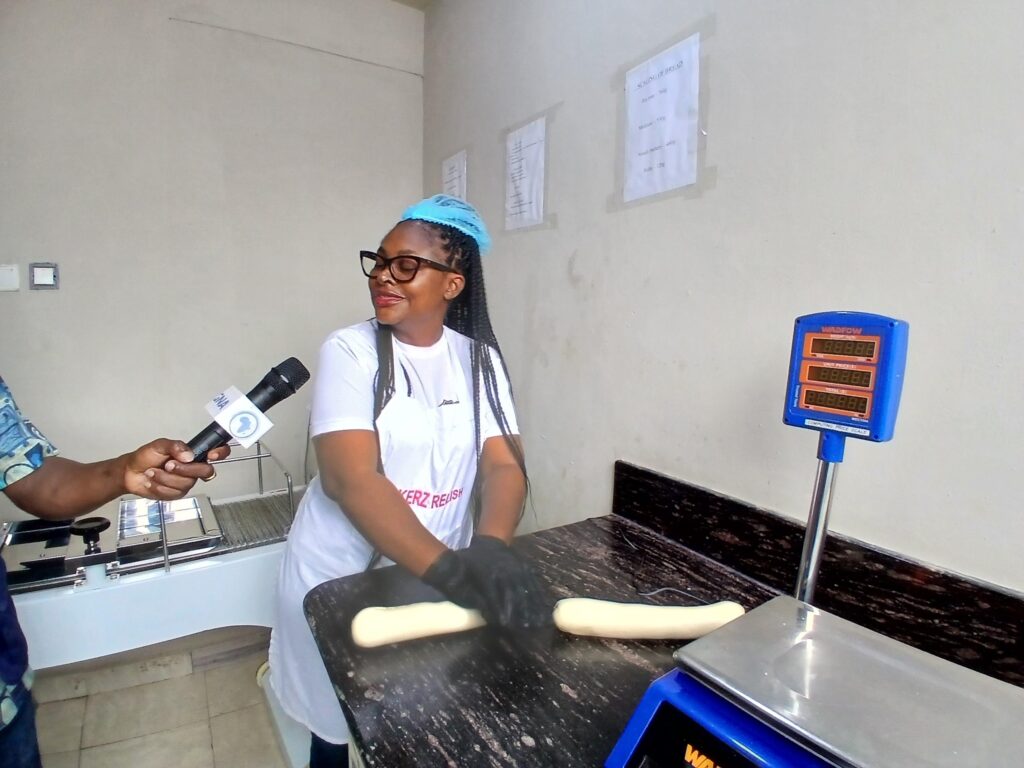
The intervention has enabled Baker’s Relish to increase weekly production from about 20–25 bags of flour to approximately 40 bags, while expanding its permanent workforce from 21 to 27.
The company has also extended its distribution network beyond Sunyani to Dormaa in the Bono Region, Goaso in the Ahafo Region, and Nkoranza in the Bono East Region, alongside establishing an operational presence in Accra, reflecting improved market resilience.
Madam Ofori-Agyeman said the financing had strengthened operational planning, inventory management and supply capacity.
“With adequate stock, we are able to forecast better and meet customer demand more efficiently,” she said.
Under the PSDPEP, beneficiary enterprises access loans at interest rates capped at about 12 per cent annually, complemented by capacity-building programmes delivered through partners such as Africa Skills Hub.
The programme targets key sectors including agribusiness and manufacturing, with an overall objective of supporting 25,000 MSMEs nationwide to recover, grow and sustain employment.
Madam Ofori-Agyeman said the impact of the intervention extended beyond firm-level growth to job creation and livelihoods, noting that the company’s distribution chain supported additional income opportunities.
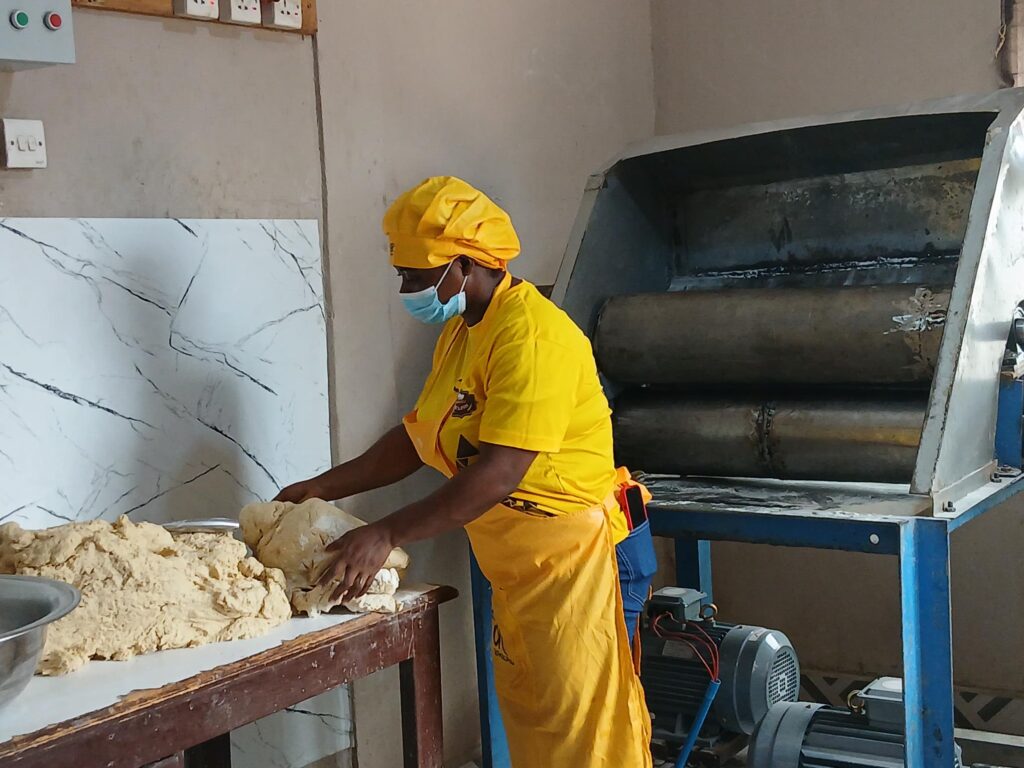
On future plans, she said the company intended to establish a baking and food science training institute to promote industry standards and skills development.
Madam Ofori-Agyeman expressed concern about unsafe practices among some operators and urged the Food and Drugs Authority to intensify public education on food safety.
“There is a need for education in the baking industry. People must understand the implications of the ingredients they use and prioritise consumer health,” she emphasised.
Madam Ofori-Agyeman also called for increased support for women-led enterprises, highlighting their potential to drive inclusive economic growth.
“Supporting women in business helps reduce economic pressure on families and creates more opportunities for others,” she added.
Madam Ofori-Agyeman advised consumers to prioritise fresh bread and proper storage practices, recommending freezing over refrigeration to preserve quality.
Christopher Bayeta, a staff member, said his employment had enabled him to finance his tertiary education and support his siblings.
“It has helped me financially and allowed me to take care of my family,” he said.
Vida Owusua, who has worked with the company for over eight years, also commended the business for its positive impact on her life and family, particularly financially.
GNA
Edited by Kenneth Sackey
Reporter: Benjamin Commey
[email protected]