By Prince Acquah, GNA
Ajumako (C/R), May 23, GNA – Residents of Ajumako Amia in the Ajumako-Enyan-Essiam District are up-in-arms with the contractor working on their part of the Big Push roads for locking them up behind three bridges for about a month, leaving no alternative route to the community.
Community members are outraged by what they described as the “contractor’s poor approach to work,” which had left them stranded, and his blatant disregard for the people.
Although the residents of Amia are happy about the project, they are irritated by the total closure of the roads which has left them stuck in their own community.
They have, therefore, given him a one-week ultimate to open the community up for business or close the pits and vacate the community.
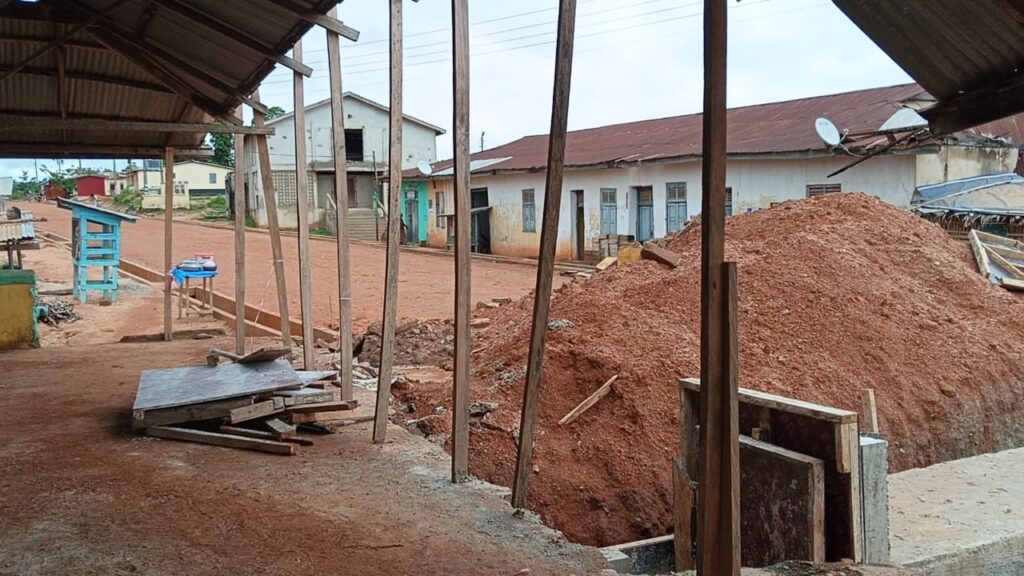
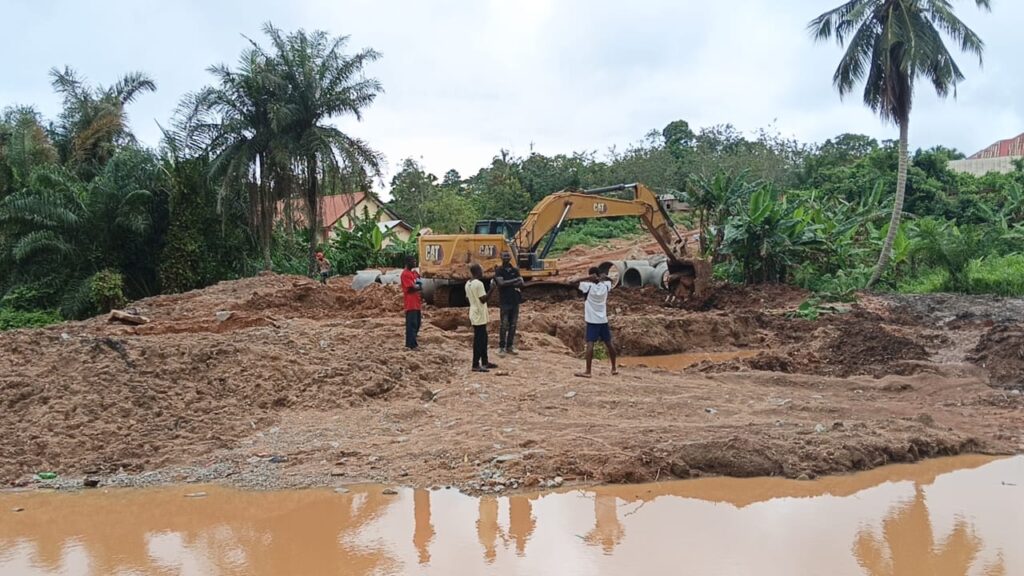
Three minor bridges – two leading to the community from different towns and one in the middle of the community, are concurrently under construction.
But construction works had virtually cut them off from the rest of the district, the Ghana News Agency (GNA) observed during a visit to the community.
The road connects to the main Accra-Cape Coast highway at Apam junction through many communities and provides a shorter route for commuters travelling to places like Assin Fosu and Kumasi, cutting distance and saving time.
As it stands, no car or motorbike can access the community through the regular routes, a situation affecting business, education and health care.
The only route leading to the community is through Osedzi, a neighbouring community, which is more than 10 times the distance of the normal route.
Consequently, commercial vehicles rarely visit Amia and the few that do, charge exorbitant fares, gravely affecting market women.
The situation is compounded by the recent persistent downpours which have left even footpaths virtually impassable, creating huge gullies and pits around the projects into dams, posing a danger to children in the community.
Farmers could not sell their produce, and many children had stopped schooling, some angry residents told the GNA.
Nana Ehimaa II, the Asona Obaahemaa of Amia, lamented the impact of the situation on education and health care, raising concerns about the dangers schoolchildren faced on daily basis.
“Just a few days ago, somebody died here and his people were forced to wait and carry him at night to the morgue.
“There are pregnant women in this community. We don’t know how we will transport them if somebody is in labour today,” she said.
She added: “I spoke with the contractor personally to first construct half of the bridge to enable us to move free, but the contractor insulted us and told us we could not tell them what to do. The assemblyman also approached him and he insulted him too.”
Auntie Aba Yaa, a resident, emphasised that the construction work was a good thing, but the treatment by the contractor was unfair.
“We don’t know how to transport people if they are sick and they should expedite the work to open the bridges as soon possible,” she said.
“As I sit here, I want to go to Ajumako but there is nowhere to pass. When we manage to go to the market, we cannot bring commodities home to sell.
“There are pits and mud everywhere. They should have mercy on us and do it for us,” Maame Abena Aboah, another resident pleaded.
Mr Kwesi Etuah, the Unit Committee Chairman of the Amia-Baa Electoral Area, emphasised the need for the contractor to finish the bridge in the shortest possible time or restore the road and leave the community.
He corroborated the impact of the bridge works on education, business and even relationships.
“We cannot take our farm produce to Ajumako to sell, and we have been reduced to women in this community and our marriages are collapsing.
“Also, our children have to cross these dangerous patches of water to school in this rainy season. We cannot complain because he will insult us,” he said.
“We need the bridges completed within one week. If they can’t do it, they should just close the pits and go away,” he cautioned.
For Madam Abena Dufua, she complained about the negative attitude of the contractor, stressing that he considered them as “villagers”, hence his shabby treatment.
She said many of their children have stopped schooling because their school buses could not have access to the community.
“They must complete this work within one week or fill the hole and leave us alone,” Madam Dufua emphasised.
Efforts to reach the contractor was unsuccessful as he was not met in his office, and the workers failed to give his contact to the GNA.
Meanwhile, as promised by the President, virtually the entire Ajumako-Enyan-Essiam District has become a construction site with work on the Big Push projects moving steadily.
Many of the roads within the district are being graded and expanded, resulting in the demolition of many structures while many others have been earmarked to be pulled down.
Similarly, the expansion projects have affected some farms along the roads.
Some affected homeowners in Osedzi told the GNA that compensation had been duly paid.
However, the GNA observed that the recent persistent rains were affecting the progress of work.
GNA
Edited by Alice Tettey /Benjamin Mensah
Reporter: Prince Acquah
[email protected]