By Muyid Deen Suleman
Kumasi, April 30, GNA — The Muslim Health Workers Association of Ghana (MHWA-G) spent over GH¢50,000 on outreach programmes in the Kumasi Metropolis during the first quarter of 2026, reaffirming its commitment to improving healthcare access for vulnerable populations.
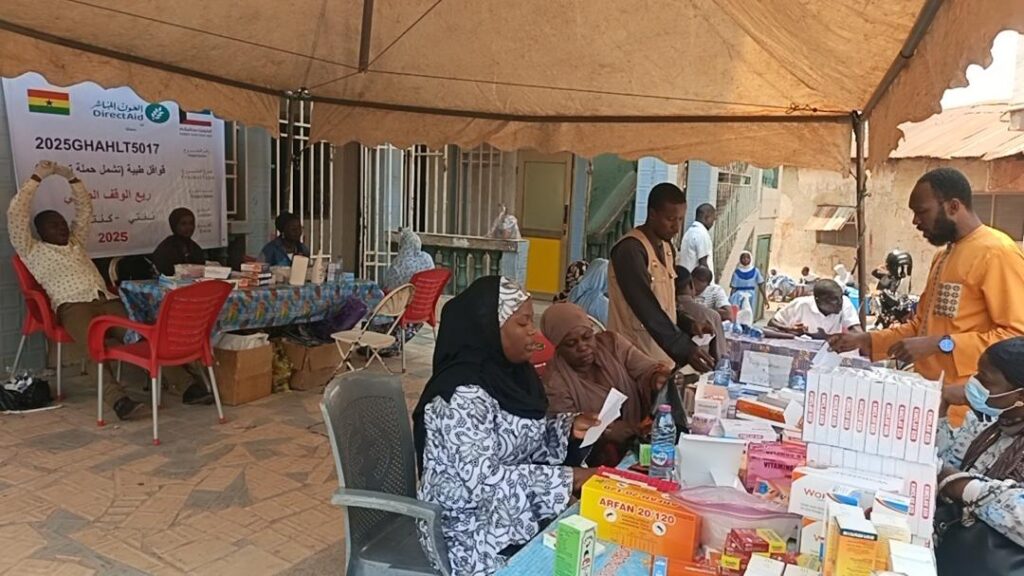
The interventions in selected communities included free medical screenings for blood pressure-related conditions, diabetes risk assessments, and general health checks for residents.
The Association also donated medical equipment to hospitals and health facilities to enhance service delivery and improve patient care.
In addition, MHWA-G organised webinars on healthy lifestyles, focusing on nutrition, hygiene, stress management and the importance of regular medical check-ups, particularly within Muslim communities.
It further provided free medicines and distributed food items to the needy, especially individuals with limited access to regular meals and basic healthcare services.
Dr Aisha Ali Issaka, President of the Association, disclosed this at its first-quarter meeting in Kumasi, where she presented a report on activities for the period ending March 31, 2026.
She said the outreach programmes reflected the Association’s core mandate of promoting public health through community development, health education and free medical services.
Dr Issaka noted that MHWA-G remains focused on improving access to healthcare, providing specialised guidance on common health conditions and reaching underserved populations who might delay seeking care due to financial constraints.
She said the activities were largely funded through members’ contributions, with internally generated funds (IGF) playing a key role in resource mobilisation.
Support from Direct Aid Ghana also contributed to the successful implementation of the programmes by enabling the procurement of essential items and expansion of outreach efforts.
Dr Issaka assured members and stakeholders of prudent use of resources in line with the Association’s objectives, emphasising transparency and accountability.
She described the first quarter as productive but demanding, citing logistical and financial challenges, including procurement and operational costs, but noted that the Association still achieved several of its targets.
Dr Issaka said preparations for second-quarter outreach programmes were underway but stressed the need for prompt payment of dues by members to ensure smooth implementation.
She appealed to individuals, corporate organisations and philanthropists to support the Association with financial contributions, medical equipment and supplies to expand its reach and impact.
She also expressed appreciation to members for their continued support and reaffirmed her commitment to advancing the Association’s mission to improve public health outcomes.
GNA
Edited by Yussif Ibrahim/Audrey Dekalu