Accra, April 21, GNA- The Association of Chartered Certified Accountants (ACCA) Ghana has called for deliberate, system-wide reforms to address persistent barriers to women’s advancement in the workplace.
The Association warned that gains made in hiring have not translated into meaningful career progression.
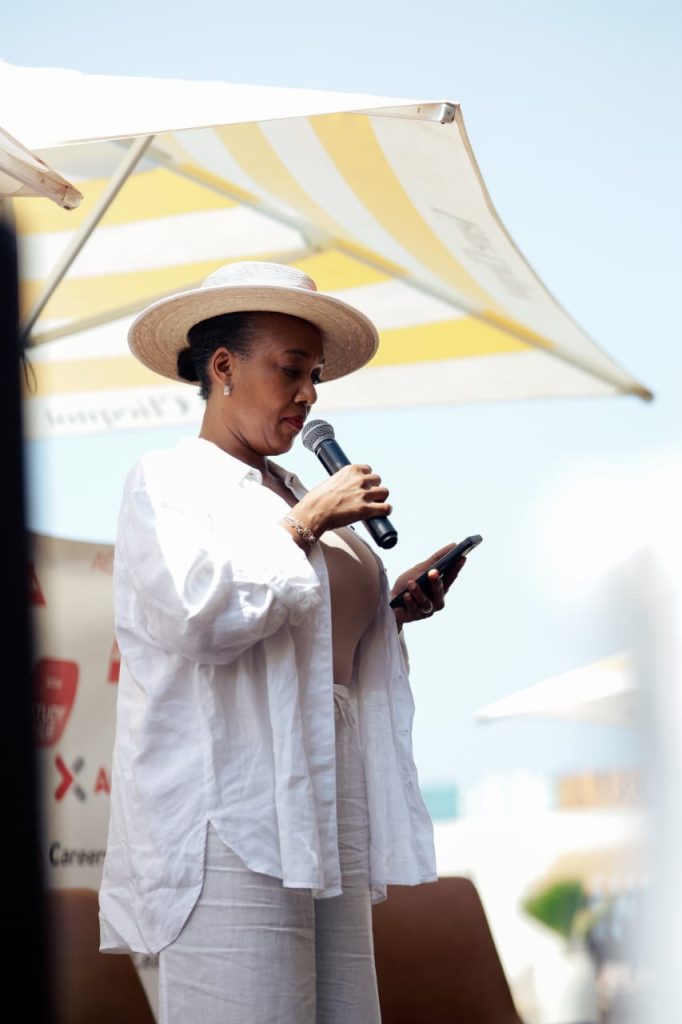
Mrs. Ayesha Bedwei Ibe, Tax Expert at PwC, speaking at ACCA Ghana’s International Women’s Day 2026 event in Accra on the theme: “Making equity a reality in a changed world” said while more women were entering the workforce, structural challenges continue to limit their rise into leadership positions.
She noted that women hold about 29 per cent of senior leadership roles, with representation declining further at executive levels, while the gender pay gap remains at 16 per cent.
“These are not just statistics. They represent missed opportunities, untapped potential and systemic gaps that continue to shape careers and lives,” she said.
Mrs. Bedwei Ibe observed that many high-performing women, who meet or exceed expectations often see their career progression fall short of their potential not due to lack of competence, but because workplace systems are not always designed to support their advancement.
She said the challenge was no longer about hiring more women, but rather what happens after recruitment.
She called for organisations to move beyond intent and adopt practical measures, including pay transparency to expose hidden disparities, sponsorship programmes to complement mentorship and the development of intentional leadership pipelines that actively prepare women for senior roles.
She also highlighted the need for flexible work structures that accommodate caregiving responsibilities without penalising ambition.
The Tax Expert said many of the barriers women face are not formalised in policy but are embedded within organisational cultures.
These include limited access to influential networks, unconscious bias in performance evaluations and fewer opportunities to lead high-visibility projects that are critical for career advancement.
However, she noted that some organisations were making progress by redesigning policies, challenging long-standing assumptions, measuring outcomes and holding leadership accountable.
“Gender equity will not happen by chance. It will happen because we choose to act deliberately, consistently and courageously,” she said.
She urged leaders to take responsibility for opening opportunities for others.
Mrs. Gloria Boye Doku, Vice Chairperson of ACCA Ghana emphasised the importance of intentional and inclusive action in advancing equity.
She noted that evolving global and economic dynamics make the conversation more urgent.
“Equity does not happen by chance; it is a conscious effort that requires commitment, collaboration and action,” she said.
She added that empowering women had far-reaching benefits beyond individuals, impacting organisations, families and communities.
Mrs Doku urged participants to leverage the platform to drive meaningful change within their spheres of influence.
A panel discussion on the theme: “Empowered to Give, Positioned to Gain: Women Leading the Way in Accounting” reinforced the need for continuous professional development and institutional support.
Panellists encouraged women to invest in continuous learning, including acquiring new certifications and embracing emerging tools such as artificial intelligence to enhance productivity and remain competitive.
They also highlighted the importance of strong communication skills, confidence and discipline, noting that the accounting profession demands precision, where even minor errors can have significant consequences.
Mentorship was identified as a critical tool for bridging the gap between academic knowledge and practical experience, with senior professionals urged to take responsibility for guiding younger entrants into the field.
While acknowledging the availability of opportunities, the panellists pointed to persistent barriers such as inadequate support systems and inequities in promotion practices.
They called on organisations to ensure fairness in advancement decisions, provide flexible working arrangements particularly for nursing mothers and increase the representation of women in executive roles to help shift existing norms.
They further encouraged women to remain confident in their expertise, seize opportunities when they arise and support other women in their career journeys.
GNA
Edited by Kenneth Odeng Adade