By Patrick Ofoe Nudzi, GNA
Accra, March 29, GNA – The National Theatre of Ghana has engaged key stakeholders on a new strategic plan designed to promote artistic excellence, drive innovation, and create economic value for the creative arts sector.
The plan, which runs through 2030, seeks to make the arts more accessible nationwide, broaden cultural participation, and strengthen creative skills while ensuring longterm sustainability in a rapidly changing cultural, technological, and economic environment.
Anchored on four objectives – sustainability, innovation to expand audiences, attracting top collaborators, and inspiring creativity through skills development – the framework is expected to reposition the Theatre as a culturally vibrant, operationally efficient, financially independent, and globally connected institution.
Mr Henry HerbertMalm, Acting Executive Director of the National Theatre, described the plan as a decisive moment in the institution’s evolution.
He said it was informed by a comprehensive analysis of strengths, weaknesses, opportunities, and threats (SWOT), as well as political, economic, social, technological, legal, and environmental (PESTLE) factors.
Madam Amarteorkor Amarteifio, Chairperson of the Governing Board, emphasised the importance of relevance, resilience, accountability, and financial sustainability.
She noted that the strategy balances creative ambition with sound governance, evidencebased decisionmaking, and renewed focus on partnerships, innovation, and internally generated revenue.
Some industry stakeholders, however, raised concerns about operational challenges.
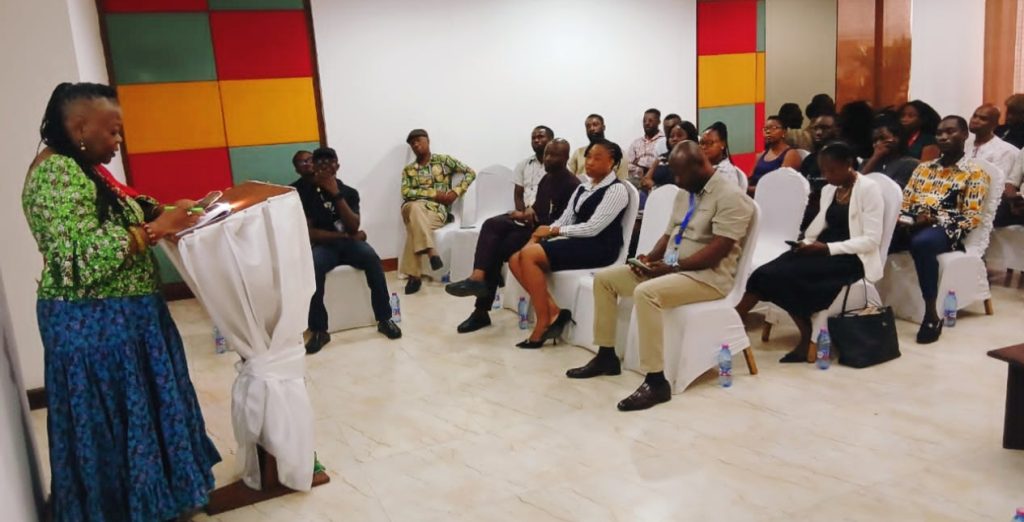
Actor and director Mr Fiifi Coleman highlighted declining logistical, technical, and production capabilities, while Mr George Quaye, Chief Executive Officer of Image Bureau, called for improved publicity, ticketing systems, and support initiatives.
Management of the Theatre assured that the strategic plan would serve as a dynamic framework to guide decisionmaking, inspire confidence, and enable the institution to effectively fulfil its mandate.
GNA
Edited by Kenneth Sackey