A GNA Feature by Laudia Anyorkor Nunoo
Tema, March 26, GNA – In Ga homes across the Greater Accra Region, corn is more than a staple; it is identity, memory and culture woven into everyday life.
From komi (kenkey), banku, akpiti, adunle and the festival delicacy kpokpoi, corn remains central to both ordinary meals and sacred traditions.
So deeply rooted is this connection that among the Ga people, a common expression that, “Today, I haven’t eaten,” does not necessarily mean the absence of food, but literally, the absence of a corn-based meal.
This enduring bond begins at birth, when during naming ceremonies, a child is introduced to the cultural significance of corn with the symbolic words: “Naa, abele ayeͻ ei! “Baaye abele!” meaning: “See, it is corn we eat; come and eat corn.”
This symbolically means the child is expected to grow up and eat the staple rather than depending on other foreign foods.
Drinks of culture and ceremony
Among the many corn-based delicacies, two fermented drinks, ‘asaana and ŋmaadaa’ (also known as ŋmεdaa, meaning corn wine), holds a special place in Ga tradition.
While asaana is widely known across Ghana as a refreshing beverage and believed to originate from the Ewes, ŋmaadaa carries deeper ritual significance, featuring prominently in naming ceremonies, funerals and traditional marriages.
During naming ceremonies, ŋmaadaa is used symbolically: a finger dipped into the drink is placed on the tongue of the newborn, introducing the child to the taste of the land and its heritage.
It is also used in pouring libations, invoking blessings for the child, parents, and extended family.
The name ‘Asaana,’ meaning “taste it” in the Ga language, reflects its historical origins, when buyers would request to sample the drink before purchasing it.
A craft refined over decades
For Madam Rebecca Boye, a vendor with nearly 40 years of experience, preparing asaana and ŋmaadaa is both a skill and a cultural responsibility.
In an interview with the Ghana News Agency (GNA), she explained that although both drinks share similar preparation processes, their finishing stages set them apart.
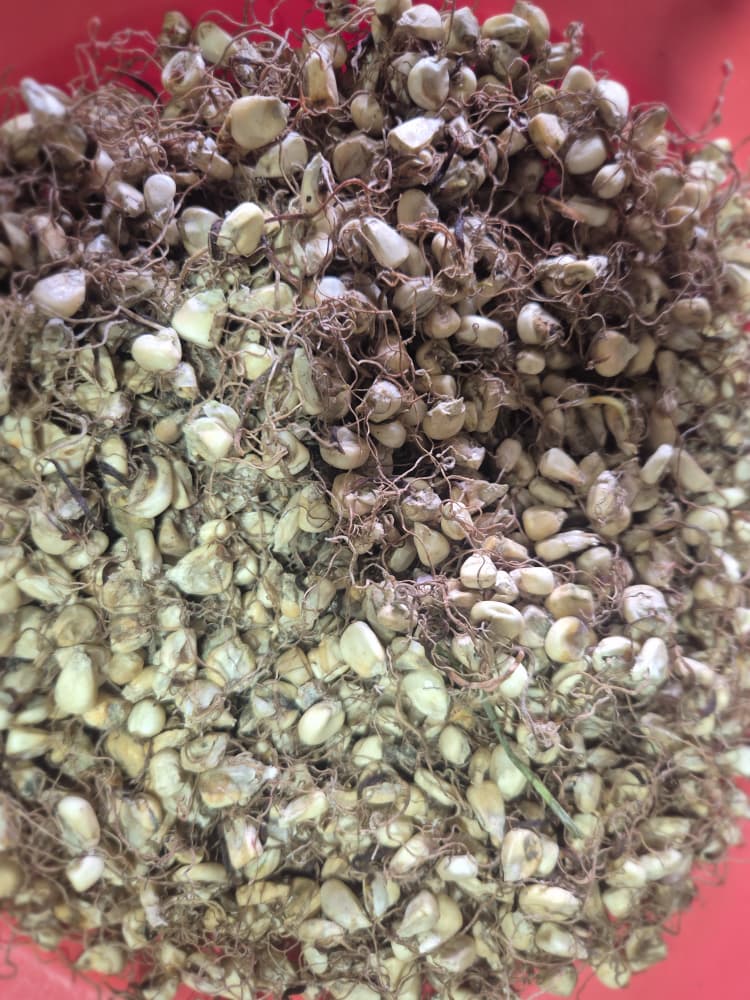
The process begins with fermented dried corn sprouts.
“To prepare the sprout, the corn is soaked for three days, then spread on a tray and covered to prevent sunlight. It is watered morning and evening until it sprouts, after which it is dried thoroughly,” she said.
The dried sprouts are then milled, mixed with water and a small quantity of flour or fermented corn dough water, and boiled until well cooked.
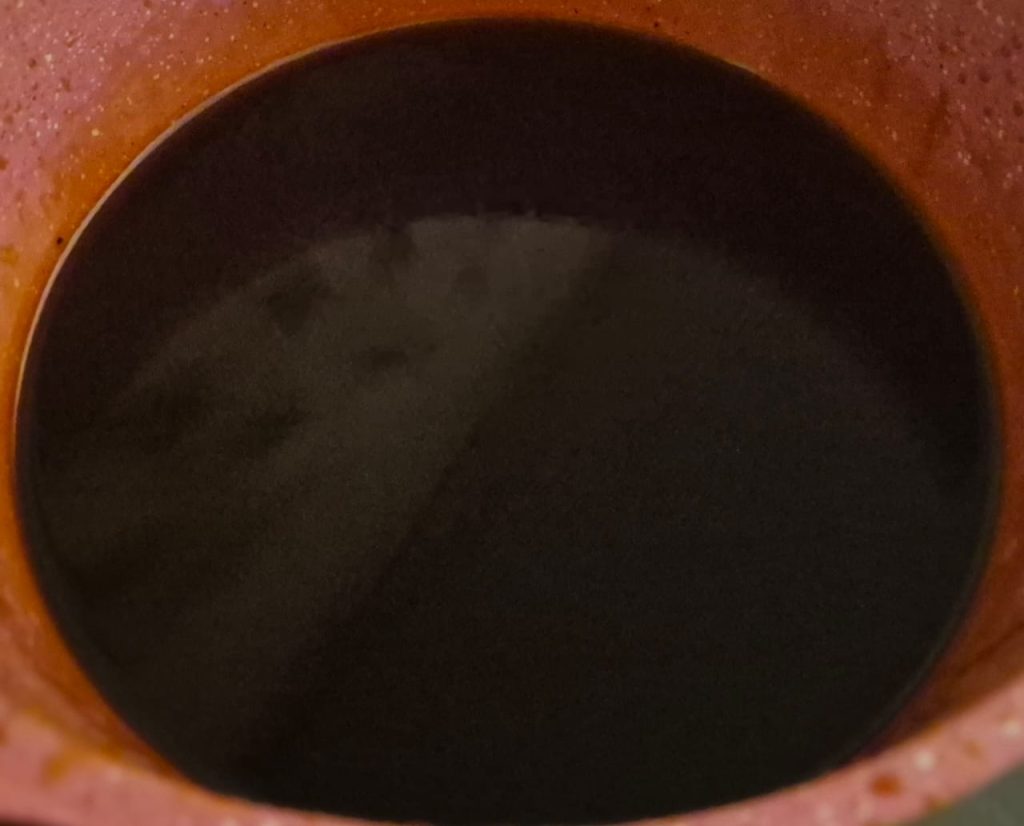
For ŋmaadaa, salt, sugar and caramelised sugar cooked beyond the amber stage to achieve a smoky flavour, are added during the cooking process.
For asana, however, sugar and caramel are added after cooking, once the mixture has cooled. It is then sieved and left to ferment for at least 24 hours.
The difference extends to storage
While asaana can last for days without refrigeration, ŋmaadaa is more delicate.
“If you add water or ice directly to ŋmaadaa, it will spoil,” Madam Boye explained. “That is why we refrigerate it in bottles if it needs to be chilled, unlike asaana, which can directly take ice.”
Changing times, shifting markets
Beyond its cultural value, Asaana has long been a source of livelihood.
Madam Boye recalled that in earlier years, vendors sold large quantities at major public venues such as the Accra Sports Stadium and the El-Wak Stadium during football matches, as well as at trade fairs, schools and church conventions.
“However, changing times have altered that landscape, noting that stadium activities have reduced, and the Trade Fair Centre is no longer as active as before and even in schools, access for vendors are now limited,” she said.
Despite these challenges, new opportunities have emerged.
With the growing popularity of local-themed bars and traditional beverages at weddings, parties and funerals, vendors are increasingly being contracted to supply asaana and ŋmaadaa for such events.
While this shift provides some relief, Madam Boye noted that it does not match the consistency of demand in earlier years.
Preserving taste, preserving identity
Madam Boye said vendors were becoming concerned about the gradual decline in patronage of these traditional drinks, as modern lifestyles reshape food preferences.
She urged the youth to embrace indigenous foods and beverages, noting that they represent more than nourishment.
“These drinks are not just for refreshment; they carry our tradition and culture. We must not forget them,” she said.
A culture in every sip
From Gamashi, Osu, La, Teshie, Tema, Kpone and across Ga-Dangme communities, asaana and ŋmaadaa remains more than beverages.
They are symbols of continuity, linking birth to ancestry, ceremonies to identity, and the past to the present.
In every sip lies a story: of land, of people, and of a culture that continues to endure, one cup at a time, cherishing the many foods and drinks the people use corn for.
GNA
Edited by Christabel Addo