By Edward Dankwah, GNA
Accra, March 24, GNA – Mr Ahmed Ibrahim, the Minister for Local Government, Chieftaincy and Religious Affairs (MLGCRA), has called for strengthened regional cooperation to tackle insecurity and development challenges affecting border communities across the Gulf of Guinea.
He said countries along the northern corridor continued to face shared threats, including climate pressures, cross-border migration, limited economic opportunities and rising insecurity linked to instability in the Sahel.
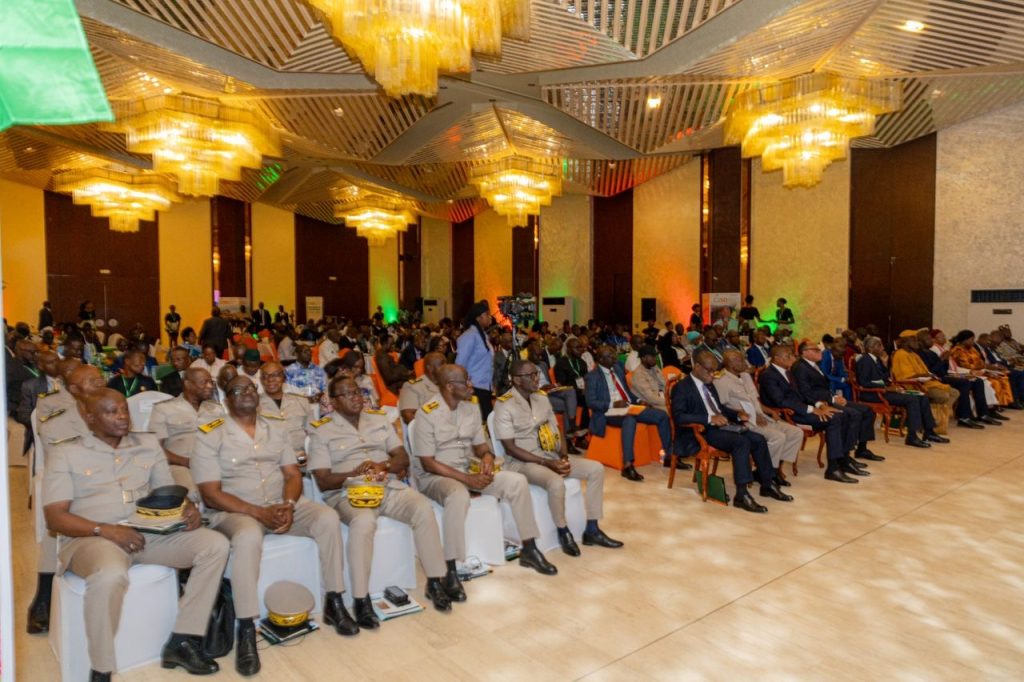
The Minister made the call in his address which was made available to the Ghana News Agency, at the Social Cohesion (SOCO) Regional Conference, hosted in Côte D’Ivoire, where a key Coordination and Regional Committee meeting was convened ahead of the main event.
Mr Ibrahim noted that these challenges underscored the strong link between development and security, stressing that communities without access to services, livelihoods and opportunities were more vulnerable to conflict and instability.
“Social cohesion is essential not only for development but for peace and stability within our borders,” he added.
The Minister referenced a recent tragic incident involving Ghanaian traders in Burkina Faso, where tomato traders seeking livelihood opportunities were caught in a terrorist attack, highlighting how insecurity in one country could have ripple effects across the sub-region.
He stressed that no country could address such threats alone, calling for collective responsibility and coordinated action among countries in the region.
Mr Ibrahim also raised concerns about youth unemployment in border communities, warning that limited opportunities could make young people susceptible to recruitment by extremist groups.
He added that climate change was worsening the situation, with declining rainfall and pressure on water resources affecting livelihoods, particularly in Northern Ghana and the wider Sahel region.
To address these challenges, the Minister highlighted the impact of the SOCO Project, which has supported about 1.5 million people across 48 districts in six northern regions, covering about 1,700 communities organised into clusters.
He said the project had improved access to schools, health facilities, water systems and local markets, helping to restore confidence in local governance and promote peaceful coexistence.
Mr Ibrahim said about 950 infrastructure subprojects had been completed as of January 2026, covering areas such as water and sanitation, energy access, connectivity and climate adaptation.
He noted that the project’s Local Economic Development component had supported over 46,000 beneficiaries through 1,554 Common Interest Groups, with nearly 80 per cent being women and youth engaged in farming and income-generating activities.
“The experience from Ghana is clear. When communities see development around them, when young people have work, and when women participate actively in decision-making, tensions decrease and cooperation improves,” he stressed.
He reaffirmed Ghana’s commitment to working with neighbouring countries and development partners to promote social cohesion, strengthen resilience and safeguard peace across the Gulf of Guinea.
Mr Ibrahim expressed hope that the regional conference would deepen collaboration and enable countries to share experiences to better address common challenges affecting border communities.
GNA
Edited by Linda Asante Agyei