By Solomon Gumah, GNA
Kakpayili (N/R), March 09, GNA – ActionAid Ghana, an NGO, has called for an increased investment in smallholder women farmers to strengthen food security, improve household livelihoods, and build resilient local economies.
The organisation made the call during a community dialogue held at Kakpayili, a farming community in the Tamale Metropolis, to commemorate the 2026 International Women’s Day (IWD).
The event, held in collaboration with the leadership of small holder women farmers movement, brought together traditional leaders, government representatives, civil society organisations, women farmers, and members of the media to discuss challenges confronting women farmers and advocate policy reforms to address them.
The celebration was held under the theme: “Give to Gain – Investing in Safety, Dignity, and Justice for Women and Girls”.
Madam Alia Mumuni, Programme Officer at ActionAid Ghana, speaking at the event, said women played critical role in sustaining Ghana’s food systems, improving household nutrition, and strengthening local economies.
She, however, noted that many smallholder women farmers continued to face challenges including limited access to productive resources, weak agricultural support systems, and increasing pressure on farmland due to urbanisation.
She said climate change and the rapid expansion of urban areas were gradually affecting traditional livelihood systems forcing many women farmers to search for alternative income sources.
She said, “In a world that increasingly recognises the contributions of women in sustaining food systems and building resilient local economies, we are also confronted with the realities of urbanisation, climate change and weak political will in implementing sustainable agricultural policies.”
Madam Mumuni said the, “Give to Gain” theme highlighted the importance of investing in women farmers to promote food security and improve community wellbeing.
She said ActionAid Ghana would continue to advocate policies and agricultural programmes that responded to the real needs of smallholder women farmers including those in urban areas.
She added that the organisation would collaborate with the Ministry and Department of Agriculture to provide capacity-building support for women farmers in agro-processing, packaging, and market access.
Madam Mumuni also called on government institutions to prioritise gender-sensitive planning and budgeting for climate change adaptation and urban agriculture programmes.
She urged communities to address social norms that limited women’s economic participation and encouraged the media to amplify advocacy campaigns promoting the involvement of women in agricultural policy formulation.
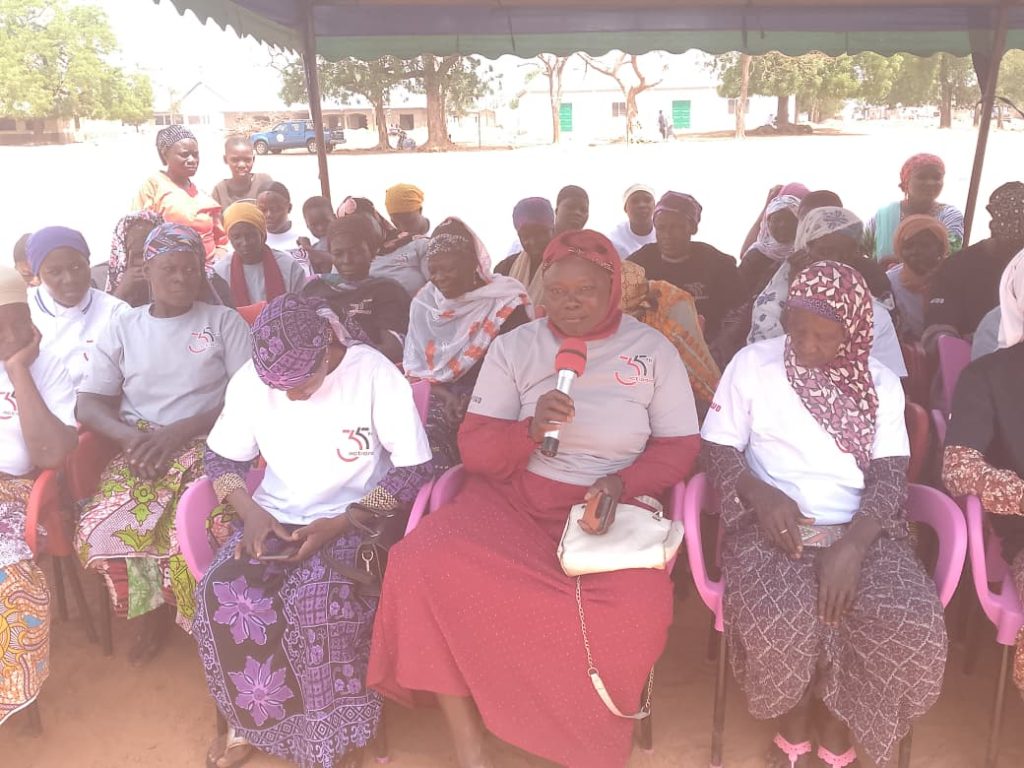
Madam Jafaru Nagihatu, Secretary to the Smallholder Women Farmers’ Movement, said smallholder women farmers continued to face challenges such as limited access to productive resources, loss of farmland due to urbanisation, weak agricultural support systems, and heavy unpaid care responsibilities.
She said, “These challenges affect women’s incomes, family wellbeing, food security, and participation in decision-making processes.” and explained that the dialogue was critical in advocating improved agricultural services that responded to the needs of women farmers and creating opportunities for them to influence local planning and decision-making processes.
She called for improved access to agricultural extension services, support for alternative livelihoods where urbanisation had affected farming activities, and better storage and post-harvest management systems to reduce losses.
Mr Francis Koo, Tamale Metropolitan Director of Agriculture commended women farmers for their resilience and contributions to food production.
He said women played an important role across the agricultural value chain, from land preparation and planting to harvesting, processing, and marketing. “When women farmers succeed, communities prosper. Food security improves, household incomes increase, and the future of our children becomes more secure.”, he added.
GNA
Edited by Eric K. Amoh/Linda Asante Agyei