By Solomon Gumah, GNA
Tamale, Dec 15, GNA – School for Life, an NGO, operating in the Northern region, has called for deliberate, well-resourced and accountable actions to place social inclusion at the centre of the country’s basic education system.
Hajia Wedad Sayibu, Director of the organisation, said equity in education could not be achieved if vulnerable and marginalized children continued to be left behind.
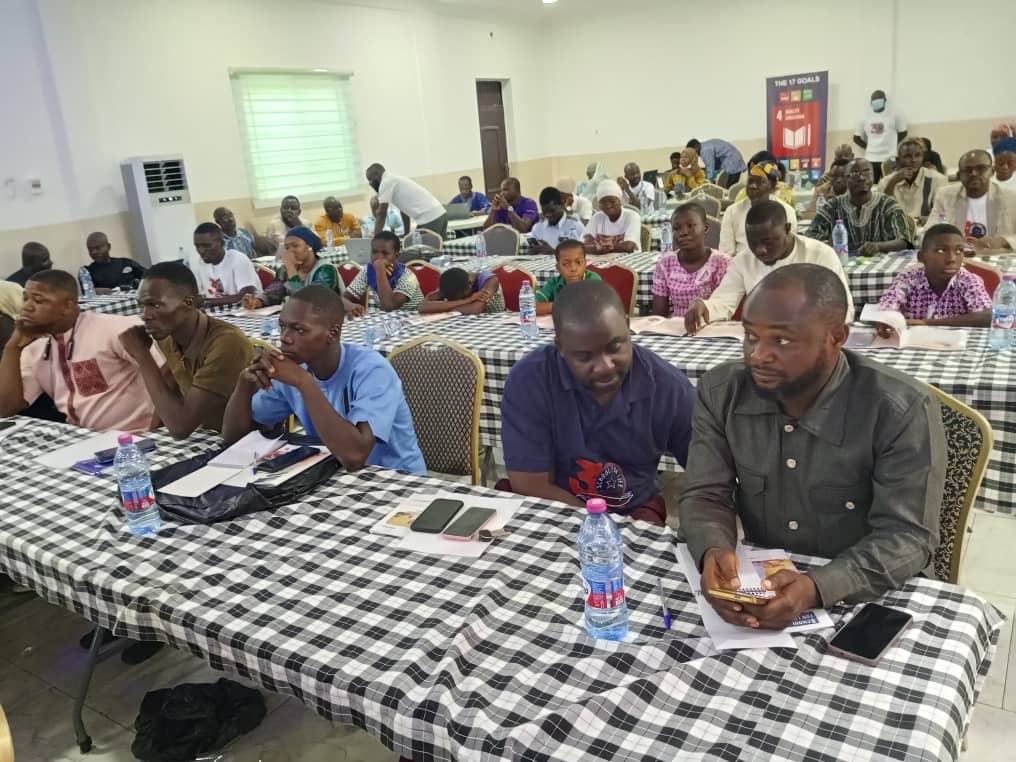
Hajia Sayibu made the call at the second edition of the National Convening on Social Inclusion in Basic Education, held in Tamale, under the theme: “Building Inclusive Societies Through Education: The Role of National and Sub-National Actors”.
The meeting was organised in partnership with the Ghana Developing Communities Association (GDCA) and YEFL-Ghana under the Citizen-led Actions for Education Accountability and Responsiveness (CLEAR) project.
The project is being implemented in six districts, including Tatali–Sangule and Nanumba North in the Northern Region, North East Gonja in the Savannah Region, Wa West in the Upper West Region, Talensi District in the Upper East Region and the East Mamprusi Municipality in the North East Region.
The project, among other things, seeks to build and sustain advocacy around issues of quality and equity in basic education by working and collaborating with other relevant stakeholders and citizen groups.
The meeting brought together key stakeholders in the education sector, civil society organisations, development partners, traditional leaders and representatives of the media.
Hajia Sayibu said although Ghana had made progress in improving access to basic education, deep and persistent disparities in social inclusion continued to undermine the learning experiences of many children.
She said, “For equity in education to be meaningful, social inclusion must be central. Equity is not only about enrolment numbers or infrastructure; it is also about recognising and addressing the social and cultural barriers that prevent some children from fully participating in learning.”
She said School for Life’s 30 years of work in underserved communities, beginning in Northern Ghana through the Complementary Basic Education Programme, had exposed gender disparities and systemic exclusion affecting girls, children with disabilities and minority groups such as Fulbe communities.
Hajia Sayibu noted that many schools still lacked ramps, disability-friendly classrooms and basic facilities for learners with special needs, while policy design and implementation often failed to reflect the lived realities of marginalised groups.
She said, “This is why we are gathered here today for the second National Stakeholders Convening on Social Inclusion in Basic Education in Ghana – to speak honestly, share evidence from communities, influence policy and inspire collective action.”
Mr Haruna Iddrisu, Minister for Education, acknowledged the structural challenges facing Ghana’s education system, especially at the basic level, and assured stakeholders of government’s commitment to strengthening foundational learning.
He said funding concentration on secondary education in recent years had weakened basic education and widened disparities between the north and south as well as between rural and urban areas.
He said, “Foundational learning is the key to the success of secondary and tertiary education. If a child gets it right early, you can predict a productive and successful life.”
Mr Iddrisu announced that about 180 million US dollars had been secured from development partners including the World Bank and the Jacobs Foundation to support foundational learning, adding that civil society organisations such as School for Life would be engaged in the implementation process.
He announced ongoing curriculum reforms from kindergarten to junior high school to introduce financial literacy, ethical integrity, digital skills, coding and artificial intelligence at the foundational level while expanding Ghanaian language instruction to include Ghanaian Sign Language.
On inclusive education financing, the Minister disclosed proposed amendments to the GETFund Act to support free education for learners with special needs and persons with disabilities from 2026 including funding for feeding, assistive devices and specialised learning environments.
During a panel discussion, Ms Bavina Safia Musah, a Development Consultant, said children with disabilities, girls, and Fulbe children experienced different forms of exclusion that required targeted and sustained attention.
She noted that Ghana did not lack gender-inclusive education policies but suffered from weak, under-resourced and unaccountable implementation.
Mr Zulyaden Amadu, Programme Manager in-charge of CLEAR project at School for Life, shared Community Score Card findings from beneficiary schools, which showed committed teachers and some community engagement as strengths.
He revealed gaps in teacher deployment, teaching and learning materials, gender-responsive facilities, disability access and transparency in the use of capitation grants.
Professor Amin Alhassan, Director-General, Ghana Broadcasting Corporation, who chaired the meeting, underscored need for evidence-based dialogue and sustained accountability to translate policy commitments into improved learning outcomes for children.
The convening also served as a media engagement platform to encourage journalists to go beyond speeches and centre their reporting on children, teachers, parents and marginalised communities while tracking policy commitments and budgetary allocations aimed at advancing social inclusion in basic education.
GNA
Edited by Eric K. Amoh/Christian Akorlie