By Anthony Adongo Apubeo
Bolgatanga, Dec. 18, GNA – The aroma of steaming dawadawa jollof, freshly prepared tubaani, tuo zaafi with dried baobab leaves, and herbal drinks brewed from baobab fruits and millet filled the air at this year’s Bolgatanga International Craft and Art Festival (BICAF).
The festival, marked annually by the Widows and Orphans Movement (WOM) in partnership with TradeAid Integrated, both non-governmental organisations, took centre stage in efforts to revive Ghana’s indigenous food culture.
For five days, women drawn from different communities across the Upper East Region transformed a section of the festival grounds into a living kitchen, where traditional meals long absent from many modern homes were prepared and served to eager patrons.
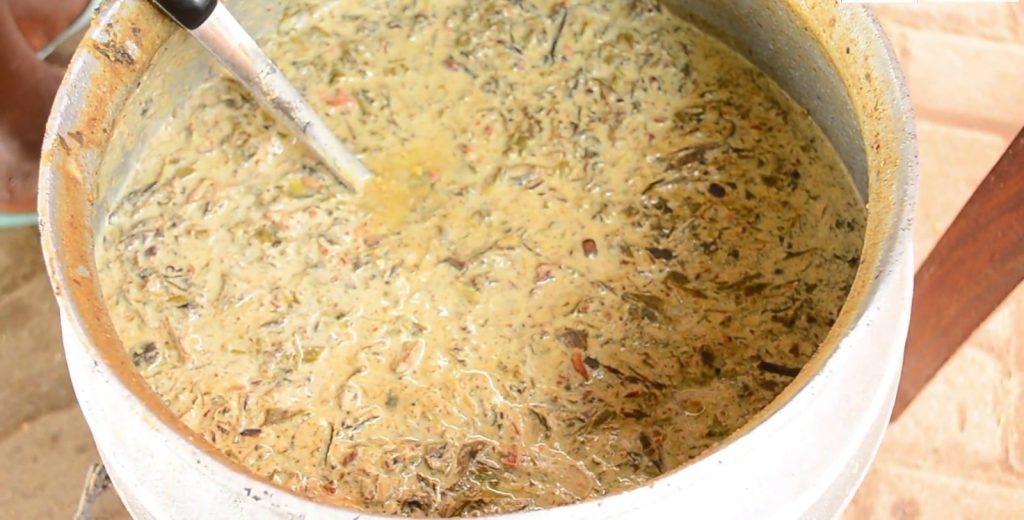
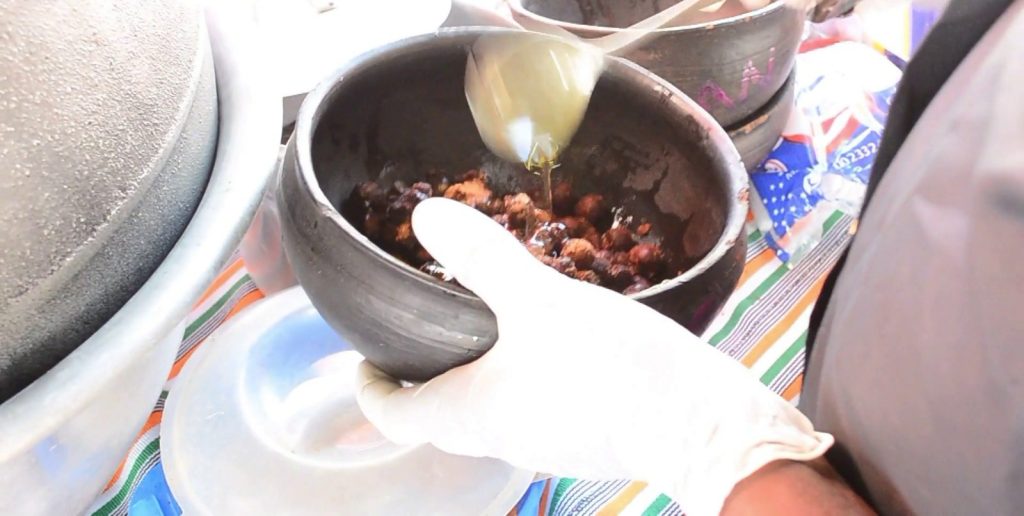
Among the dishes showcased were jollof-style meals popularly referred to as dawadawa jollof; tuo zaafi served with dried baobab leaves and bito (kenaf drink); Bambara beans paired with millet jollof; tubaani, and local beverages such as baobab and millet juice.
The rich display offered festival patrons not only a taste of tradition but also a reminder of the nutritional value of local foods.
The steady flow of visitors, many of whom returned for second servings, challenged the long-held assumption that people no longer appreciate indigenous meals.
Instead, the experience suggested that the foods have merely been sidelined by changing lifestyles, limited knowledge of traditional recipes, and a growing preference for foreign and processed foods.
Speaking to the Ghana News Agency, Ms Fati Abigail Abdulai, the Executive Director of WOM, said the initiative was deliberately designed to reconnect people with their cultural identity through food while promoting healthier eating habits.
“The patronage we have witnessed clearly shows that people still love these foods,” she said.
“Over time, many have simply forgotten how to prepare them or have not had the opportunity to learn about their benefits.”
She explained that indigenous foods, made from locally sourced ingredients, are rich in nutrients and better suited to promoting good health than many imported and highly processed alternatives.
“We are hopeful that over the past few days, people have reconnected with their cultures by eating these foods, reminding them of who they are as a people,” Ms Abdulai said.
“Going forward, we expect them to become more interested in cooking and preparing these indigenous dishes so they can live healthier and better lives, contribute to improved public health, and ultimately support national development.”
Beyond health and culture, she noted that the initiative also carried a strong economic message, adding that by promoting local foods, WOM and TradeAid Integrated aimed to strengthen local food systems, create sustainable livelihoods for women, and reduce dependence on imported products.
Ms Abdulai said the activity formed part of broader efforts to empower women, preserve indigenous knowledge, and use culture as a tool for sustainable development.
Festival patrons welcomed the initiative, describing the foods as affordable, nutritious, and culturally enriching.
Many called for similar indigenous food exhibitions to be organised in schools, markets, and community events to ensure the knowledge is passed on to younger generations.
Mr Prince Apokera, a patron of the festival, commended the organisers for drawing attention to indigenous diets, noting that foreign-based dishes were increasingly becoming the norm.
“If we do not consciously promote our local foods, we risk losing an important part of our culture,” he said.
Alberta, another patron who travelled from Tamale in the Northern Region to Bolgatanga to take part in the festival, was moved by the local cuisine and called for strategic efforts to preserve and promote the indigenous foods and knowledge nationally and globally.
“Our Northern foods taste good and healthy and so we need to introduce more of these foods to the outside world to ensure people patronise and appreciate our local foods and knowledge,” she said.
The Bolgatanga International Craft and Art Festival, held annually, brings together artisans, cultural groups, and development organisations to celebrate creativity, heritage, and local enterprise in northern Ghana.
In addition to the indigenous food exhibition, this year’s festival featured locally made products by dressmakers, smock weavers, basket weavers, leather shoemakers, and other artisans using locally sourced raw materials.
GNA
Edited by Caesar Abagali/George-Ramsey Benamba