By Hamza Sulemana
Tamale, Dec. 10, GNA – Civil Society Organizations (CSOs) and development partners have urged increased domestic funding for Ghana’s immunization programme as the country prepares for a full transition from GAVI support, set to be completed by 2029.
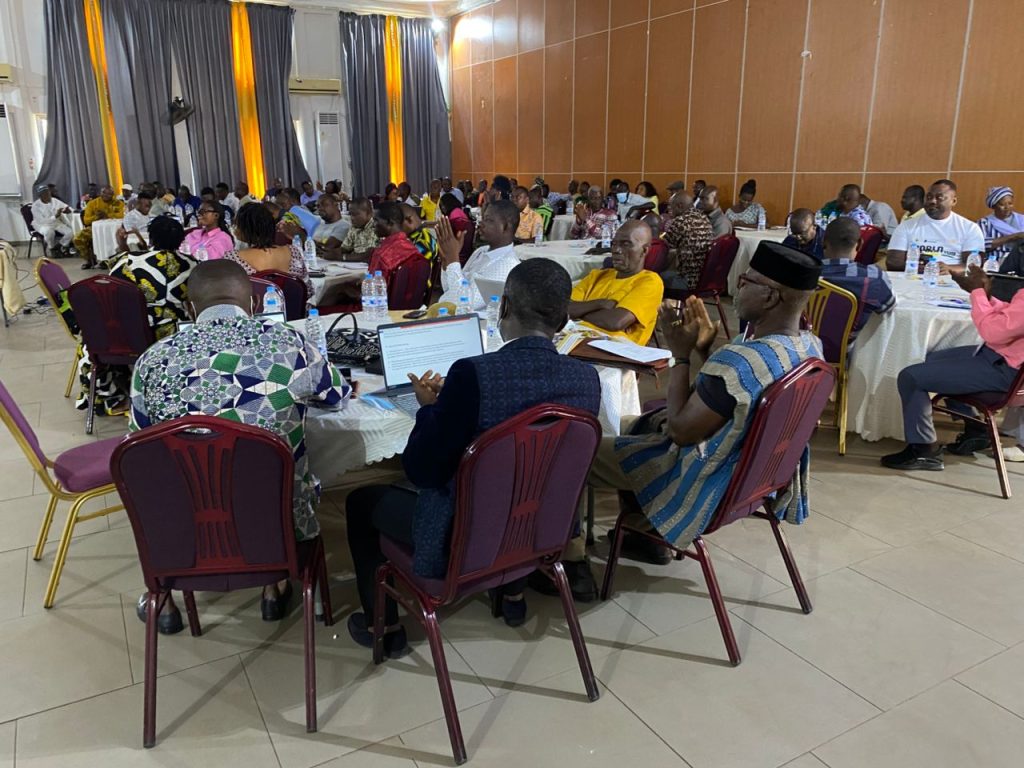
The call was made during this year’s CSOs Health Forum, organised in Tamale by the Ghana Coalition of NGOs in Health (GCNH).
Held under the theme: “Domestic Immunization Financing: Harnessing Community Resources to Sustain National Immunization Gains”, the forum brought together key stakeholders including the Ghana Health Service (GHS), World Health Organization (WHO), United Nations Children’s Fund (UNICEF), Ministry of Health, and other partners to discuss strategies for sustainable immunization funding.
Mr Bright Amissah-Nyarko, National Chairman of GCNH, said Ghana was currently in an accelerated GAVI transition stage and would fully exit donor support by 2029.
He noted that GAVI currently funds 60 to 80 per cent of the country’s immunization programme, making domestic financing an urgent necessity.
“Failure to fully fund vaccines could put over 1.2 million children and adolescents at risk each year, especially with the introduction of new vaccines such as the HPV vaccine for girls aged nine to 14 years,” he warned.
Mr Amissah-Nyarko called for the strengthening of local vaccine manufacturing through the National Vaccine Institute and ongoing training of technical staff to enable future domestic production. He urged the government to allocate part of the NHIS resources and the newly introduced Ghana Medical Trust Fund (Mahama Cares) to immunization financing.
Mr Ali Adolf John, Northern Regional Minister, whose speech was read on his behalf, stressed that sustaining immunization gains required strong local ownership and accountability.
“Domestic immunization financing is not just about money. It is about deepening ownership and ensuring that no child is left behind,” he said, urging communities, traditional authorities, religious leaders, and CSOs to support outreach, participate in local budgeting dialogues, and monitor service delivery.
Dr Chrysantus Kubio, Northern Regional Director of Health, highlighted Ghana’s success in maintaining high immunization coverage and emphasised the need for sustainable domestic funding as GAVI support phases out.
He noted progress by the GHS, including integrating immunization into the NHIS benefit package, strengthening cold chain and surveillance systems, improving birth cohort data accuracy, and developing Ghana’s Immunization Investment Case to guide future financing. He also commended government for meeting its 2024 and 2025 co-financing obligations and accelerating investments in the National Vaccine Institute to drive local vaccine production.
Two major technical presentations featured at the forum: GHS-Expanded Programme on Immunization Updates by Dr Selorm Kutsotsi, which outlined efforts to sustain vaccine delivery amid rising costs, and GAVI Transition Lessons by WHO’s Fred Sarpong, who shared global insights on avoiding vaccine supply disruptions during donor exit.
Both presentations reinforced the urgent need to strengthen domestic financing to prevent gaps in immunization coverage during and after Ghana’s transition from GAVI.
Representatives from WHO, UNICEF, Christian Health Association of Ghana, Catholic Relief Services, Stop TB, and PATH pledged continued technical support, emphasising that long-term sustainability depended on Ghana’s internal financing commitment.
GNA
Edited by Eric K. Amoh/Audrey Dekalu