By Stephen Asante
Accra, Dec. 17, GNA – Mr Ahmed Nantogmah, Chief Operations Officer of the Ghana Chamber of Mines, has called for a review of the Minerals and Mining Act, 2006 (Act 703) to promote sustainability in the mining industry.
“The Chamber’s position on the Act review is to support reforms that enhance community benefits and social licence, while advocating a legal framework that keeps Ghana competitive for responsible mining investment,” he noted.
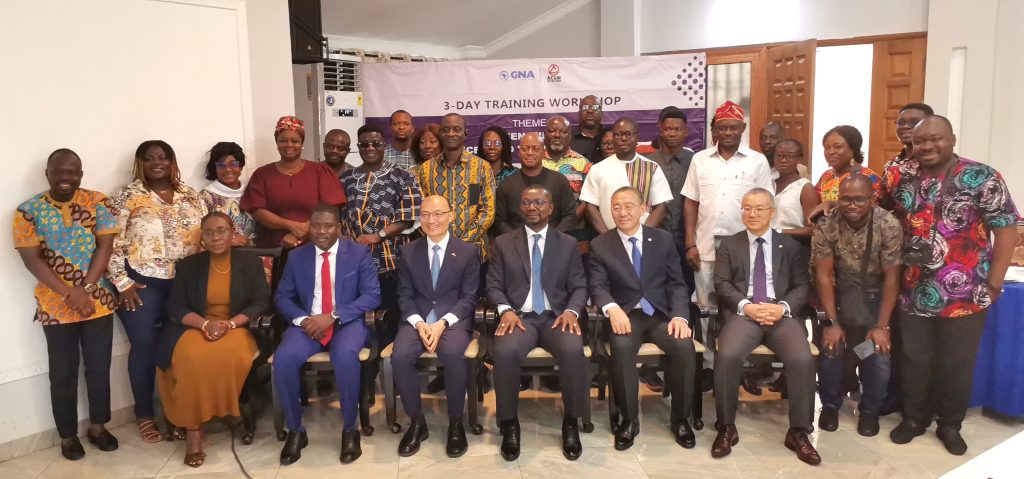
Mr Nantogmah made the remarks when presenting a paper on “Community Relations and Conflict Resolution in Ghana’s Mining Industry” at a three‑day training workshop on sustainable mining for selected journalists at Peduase in the Eastern Region.
The programme, organised by the Ghana News Agency and sponsored by China‑Ghana Mining LBG, aimed to expose participants to sustainable mining practices and strengthen their reportage.
The theme was “Green Mining: Best Practices and Responsible Mining.”
His presentation covered community relations, Social Responsibility Agreements, conflict resolution, post‑conflict management, the Environment and Social Affairs Committee, Chamber advocacy and the role of the media.
The Chamber urged deeper consultation, collaboration and flexibility in reviewing the Minerals and Mining Act.
It said proposed amendments, particularly those affecting the tenor of mining leases, required careful consideration.
It recommended maintaining the current lease structure, explaining that reducing the tenure from 30 years to 15 years with a single 10‑year renewal would limit investors’ ability to recoup capital and could encourage high‑grading, reduce exploration and undermine marginal deposits.
On Community Development Agreements, Mr Nantogmah said such arrangements must be realistic, clearly structured and aligned with project economics to ensure meaningful and sustainable community benefits without affecting operational viability.
He noted that sustained corporate social investment and ongoing legal reforms were reshaping how mineral wealth was shared with host communities.
The challenge, Mr Nantogmah noted, was ensuring that mechanisms were implemented in ways communities viewed as fair, transparent and developmental.
He said it was important for the Government to work with stakeholders to establish a Minerals Revenue Management Act to promote transparency, accountability and equitable use of mineral revenues.
Mr Nantogmah said the future of sustainable mining in Ghana looked promising, with continued efforts from Government, NGOs and mining companies.
He advised the media to highlight good practices, support conflict resolution in mining communities and ensure accurate reportage, adding that collaboration among stakeholders would ensure responsible mining that benefits both the environment and local communities.
GNA
Edited by Kenneth Sackey