By Isaac Arkoh
Cape Coast, Dec 31, GNA- As the December 2025 festive season hits its peak, Ghana pulses with the electric buzz of “Detty December” and “December in GH.” The nation’s capital, Accra, and major cities like Koforidua, Kumasi, Tamale, and Takoradi are bubbling with a series of entertainment programmes.
But strangely, the ancient capital of Ghana, the historic city, the academic icon and the capital of the Central Region acclaimed the heartbeat of tourism is without any star programme.
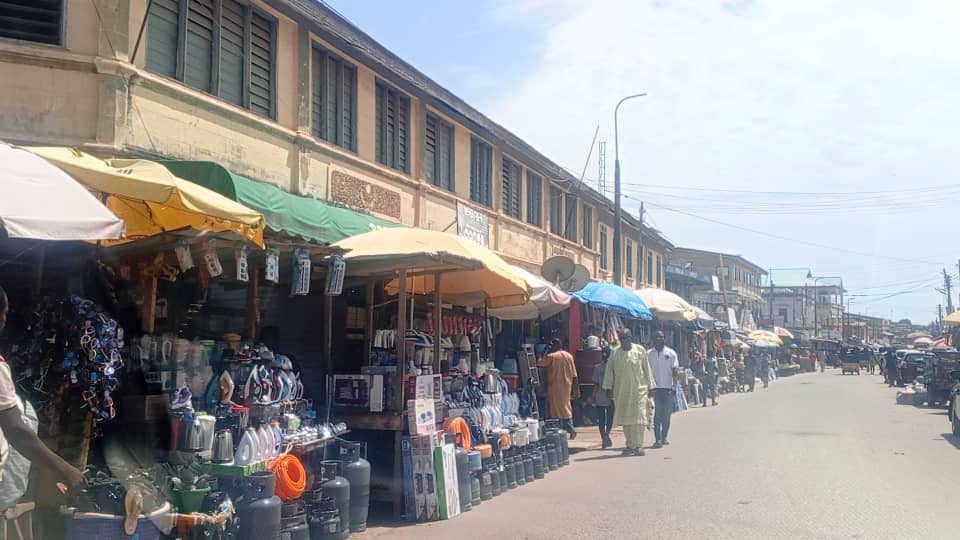
Cape Coast fades into a pale shadow of itself, eerily quiet and devoid of spark. No festive lights twinkle along the waterfront, no markets bustle with holiday cheer, no communal events to pull people together.
The emptiness has forced many residents to flee, packing up for Accra, Kumasi, or other regions where the yuletide buzz thrives. Families load cars with hampers, chasing the joy that’s mysteriously absent in Cape Coast.
Absent brisk night life
Even the brisk nightlife along Cape Coast’s beaches, from Lush, through Da Breeze, Hutchland, Heritage, to Shipyard, feels like a ghost town this season.
These spots, usually alive with thumping Afrobeats, laughter spilling into the sea waves, and bonfires dotting the sand, now sit half-empty under dim lights.
Sure, the middle class still trickles in, claiming tables with craft beers and grilled fish, but the usual sea of flamboyant cars like gleaming Range Rovers, customised Mercedes Benz, and flashy SUVs parked curb-to-curb have vanished.
No VIP ropes straining against crowds, no influencers snapping selfies amid the revelry. It’s a subdued takeover, polite but lifeless. This contrast leaves the few revellers grappling with mind-boggling questions.
Lingering questions
This is unbelievable, but that is the disturbing situation. Where are the thousands of tourists visiting and staying this December, and what are they doing? Cape Coast holds the heart of these tourists, so why aren’t they there and how are they surviving without their hearts?
Why is Cape Coast hibernating in this festive season? Is the magic tied only to Afahye’s cultural mandate, or have the City failed to cultivate year-round appeal? And the big on, Is Cape Coast just a transit city? Do workers from surrounding regions and communities whose daily commuting fuel the daytime hustle, prop it up, only for the place to revert to a grave of solemness when they head home for holidays?
If the influx dries up, does the soul of Oguaa evaporate, leaving behind empty streets and void echoes?
Entertainment or historical relics
Sitting on the hills of Second Ridge in Cape Coast peeping through the city, one is tempted to believe that December tourism in Ghana seems less about history and more about entertainment.
Having visited major entertainment hubs in Cape Coast like the Stadium Party Field, Samirit hotel, Chapel Square and Vicky’s Events Centre, the least said about the emptiness of Cape Coast in terms of entertainment, the better.
Obviously, the once vibrant city, now feels like a pale shadow of itself, its entertainment life gasping for air.
“Sleeping” Cape Coast
Saddened by the turn of events, one is tempted to buy into the misconception that Cape Coast simply “goes to sleep” when schools vacate.
Yes, Cape Coast simply ‘goes to sleep’ when schools vacate”. The vivid metaphor describes how the city turns unusually quiet and inactive during school holidays, especially December’s long break (late November to early January). “Vacate” means students leave for holidays, pulling the plug on the area’s usual energy. Instead of buzzing, Cape Coast feels dormant, like a town hitting pause.
The University of Cape Coast alone has over 65,000 students) excluding the over 100,000 students/staff in pre-tertiary schools fuel markets, eateries, hostels, and transport.
When schools vacate, 80-90 percent of students scatter to hometowns (Accra, Kumasi, abroad), slashing foot traffic—vendors lose 50-70 percent sales, trotro stations empty. Heritage sites (Cape Coast Castle, Elmina, Kakum) attract ~500K visitors yearly but peak with school groups (40 percent of visits); holidays such as December celebrations divert crowds particularly diasporan community to Detty December entertainment.
Shops closing after 1800hrs
Cape Coast’s occasional emptiness bites hard: after 18:30 hrs. small shops, roadside table-top vendors, and even big players like Melcom, Africa Mall, and the new Red Star Mall all shut their doors by that hour.
Renowned for its serene, peaceful charm, Cape Coast’s streets empty out as if under an unspoken curfew—nearly every business syncing up to close in eerie unison. One can’t help but wonder: in a city built for lingering evenings, why the mass exodus at dusk?
Life returns during Fetu Afahye
‘I can’t wrap my head around it—how Cape Coast seems to burst into life during the Oguaa Fetu Afahye festival.
Every year, the city transforms into a throbbing heartbeat of colour, sound, and energy.
Streets overflow with processions of chiefs in glittering kente, drummers pounding relentless rhythms, and dancers swirling in synchronized frenzy.
The air thickens with the scent of grilled tilapia, roasted plantains, and palm wine flowing from makeshift bars.
Throngs of locals and tourists pack every corner patronage skyrocket as vendors hawk souvenirs, food stalls multiply, and performances light up the night from Central Market to Elmina Castle.
It’s electric, a true celebration of Oguaa spirit that draws thousands and keeps the city pulsing for days.
Way Forward
Cape Coast can transform its “quiet fade” during Detty December by diversifying entertainment offerings year-round, decoupling its vibrancy from school calendars and single events like Fetu Afahye.
First, local authorities and businesses should launch a coordinated “Cape Coast Nights” campaign, featuring pop-up markets, live music at beaches like Lush and Asaasepa, and themed night tours of historical sites such as Cape Coast Castle with storytelling under the stars.
Partnering influencers and diaspora networks via social media promotions to draw the missing tourists and flamboyant crowds, filling nightlife spots with Afrobeats events and VIP experiences.
This builds on the city’s historical heartbeat, blending heritage with modern buzz to compete with Accra’s energy, ensuring revenue streams don’t evaporate when students vacate.
Boosting Evening Economy and Retention
To combat the 18:30hrs shutdown and resident exodus, extend business hours through incentives and infrastructure upgrades that foster safe, appealing nightlife. Introduce municipal policies like tax breaks for shops and malls (e.g., Melcom, Red Star) staying open until 10 PM, coupled with improved street lighting, security patrols, and pedestrian-friendly waterfront zones.
Community-led events, such as family-friendly holiday fairs with grilled fish, craft beers, and bonfires, would retain locals and attract families chasing yuletide cheers.
Tying this to the university’s 65,000+ students by offering off-season student discounts or alumni reunions sustains foot traffic, turning Cape Coast from a “transit city” into a lingering destination where commuters stay for evening vibrancy.
Sustainable year-round appeal
Cape Coast should cultivate enduring appeal by investing in hybrid tourism that marries history with entertainment, answering why Cape Coast “hibernates” outside festivals.
Develop packages combining Kakum canopy walks, Elmina Castle visits, and beach parties, marketed globally through Ghana Tourism Authority collaborations targeting the 500K annual heritage visitors.
Track progress with data on visitor numbers and sales dips, adjusting via annual festivals that seed ongoing events.
This holistic strategy revives the Oguaa spirit daily, preventing the post-Afahye “grave of solemness” and positioning Cape Coast as Ghana’s true tourism heart, pulsing beyond December’s Detty buzz.
GNA
Edited by Alice Tettey/George-Ramsey Benamba