By Hafsa Obeng
Accra, Nov. 18, GNA – Madam Abla Dzifa Gomashie, Minister of Tourism, Culture and Creative Arts, has called for deeper continental cooperation to protect, manage and communicate Africa’s cultural heritage with authenticity, inclusiveness and pride.
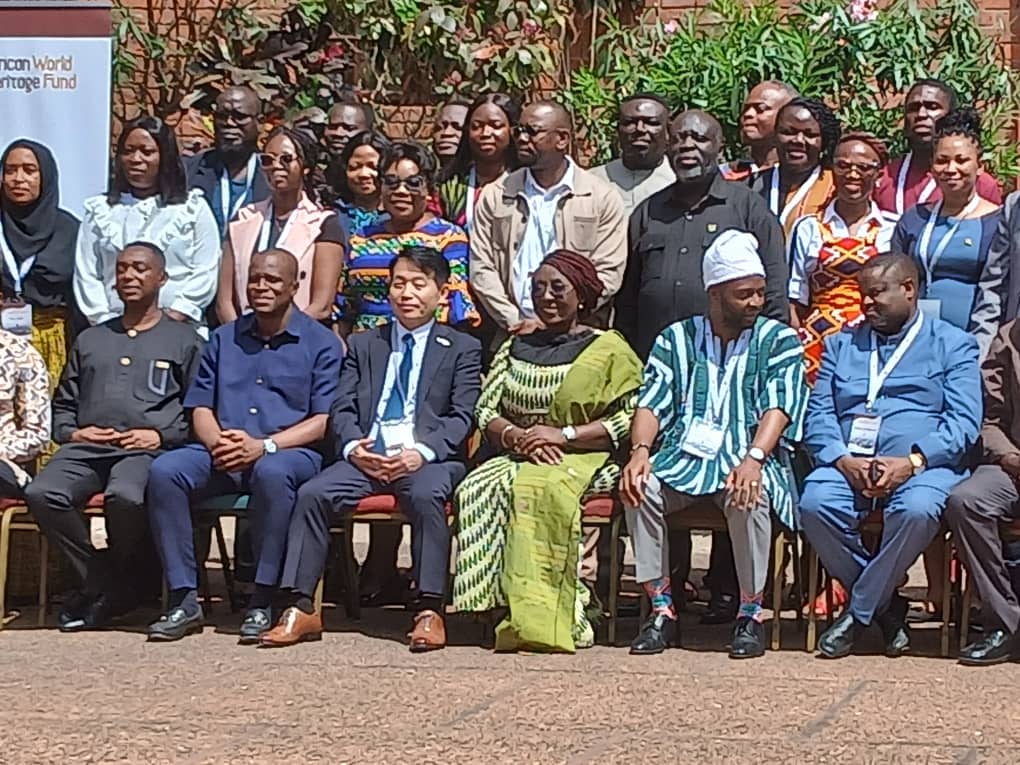
At the opening of a workshop on the interpretation and presentation of World Heritage Sites in Africa, in Accra, the Minister stressed the need for Africans to collectively shape and project the narrative of their heritage.
“Together, let us ensure that Africa’s heritage is not only preserved but is also presented with authenticity, inclusiveness and pride,” she said.
Madam Gomashie noted that conversations on heritage interpretation were often held in capital cities among intellectuals, even though the true custodians of these stories were the people in local communities.
She urged participants to engage actively, share practical experiences and explore innovative approaches that place local communities at the centre of heritage narratives.
She expressed concern about the growing tendency of African youth to embrace foreign cultures at the expense of their own, and called on heritage experts to help redirect their passion.
“Our young people are very quick to embrace other people’s cultures… but I hope that we together as experts in this space will redirect their energies so they understand what is at stake,” she said.
According to the Minister, the workshop marks a significant milestone in strengthening the protection and communication of Africa’s rich cultural heritage.
“Heritage interpretation is not only about the presentation of facts on historical timelines, but a pragmatic attempt to bring valuable meaning to stories connecting the past to the present. Effective interpretation ensures sustainability and prevents Africa’s story from becoming fragmented.”
Madam Gomashie highlighted Africa’s numerous heritage assets, including forts, castles, ancient artefacts and diverse intangible cultural expressions, many of which are on the UNESCO World Heritage List and must be presented strategically to influence how the world perceived Africa and how the youth valued their origins.
“We must be in charge of the narrative of our story”.
She commended the African World Heritage Fund (AWHF) and the International Centre for the Interpretation and Presentation of World Heritage Sites (WHIPIC) for their continued support to African Member States, adding that Ghana was ready to collaborate on initiatives that advanced the cultural sector across the continent.
Dr Osman Tahidu Damba, Secretary-General of the Ghana Commission for UNESCO, said heritage sites were living symbols of identity and legacy and interpretation was the bridge that connected these sites to the hearts and minds of people.
He said it was important to involve local communities, especially women and youth, in telling their own stories, noting that it would foster social cohesion and support economic development.
Dr Damba lauded the workshop’s blend of online learning with in-person practice, including a field visit to one of Ghana’s World Heritage Properties.
“This workshop will produce skilled storytellers capable of crafting inclusive narratives and promoting sustainable tourism and community-based conservation,” he said.
Dr Albino Jopelo, Executive Director, African World Heritage Fund, said it was important to strengthen Africa’s representation on the World Heritage List, saying the narratives surrounding existing African sites must avoid reproducing colonial perspectives and instead reflect African values, worldviews and identities.
“Interpretation and presentation are the very essence of why we should care as Africans to have these sites on the World Heritage List. We must collectively rethink how such stories are told.”
Mr Heung Nyeon Kim, Deputy Director-General of WHIPIC, said the role of heritage interpretation had never been more important, and the workshop would provide a platform to share best practices and strengthen understanding of African sites.
Organised by the Ministry of Tourism, Culture and Creative Arts, the Ghana Museums and Monuments Board, the AWHF and WHIPIC, with support from the Ghana Commission for UNESCO and UNESCO
Accra, the workshop brings together heritage professionals from across the continent to advance capacity-building and collaboration.
GNA
Edited by Christian Akorlie