By James Amoh Junior
Accra, Nov. 13, GNA – Mr Adam Mutawakilu, the Managing Director of Ghana Water Ltd. (GWL), has assured residents of Gomoa and surrounding communities in the Central Region that the company is taking urgent steps to restore water supply and explore alternative sources to augment the capacity of the Kwanyako Water Treatment Plant.
Mr Mutawakilu gave the assurance when he paid a courtesy call on the Omanhene and President of the Gomoa Ajumako Traditional Council, Obrempong Nyanful Krampah XI, following a letter the Chief sent to GWL over the worsening water challenges confronting the area.
The visit, he explained, was to show respect to the traditional authority and to personally assess the water situation that had left several communities in distress.
He said the Kwanyako Water Treatment Plant, which draws raw water from the Ayensu River, had for over a month suspended production due to extremely high turbidity levels caused by illegal mining activities and siltation in the river.
The pollution, he added, had pushed the turbidity levels far beyond the plant’s design capacity, rendering it incapable of producing safe water for distribution.
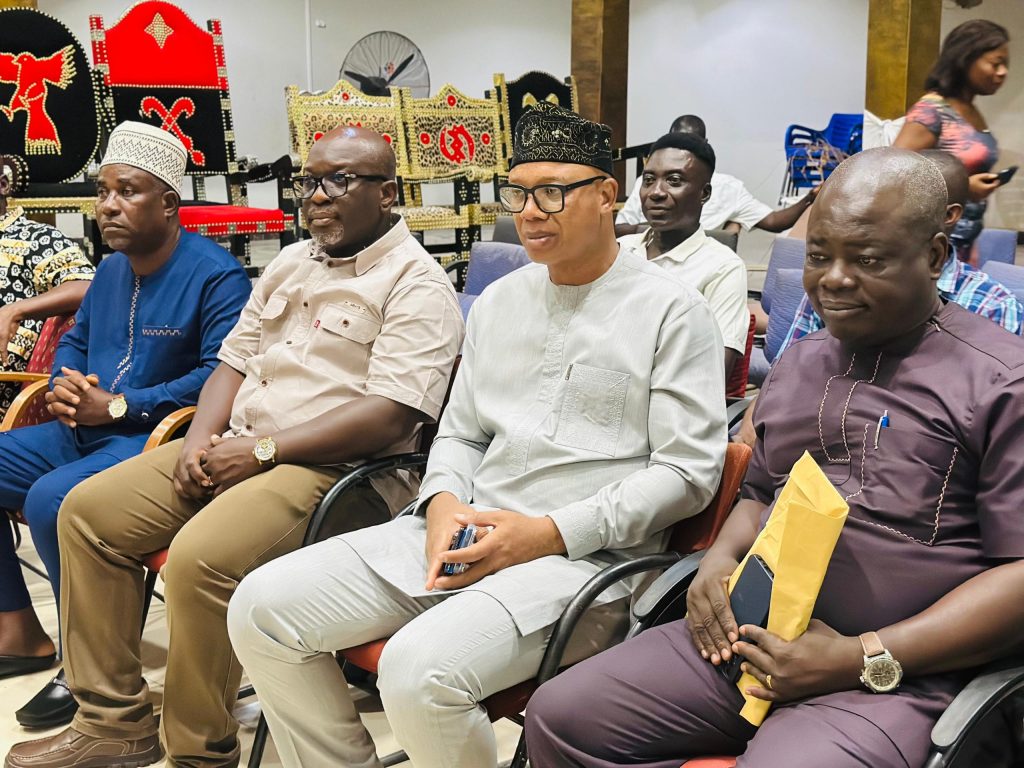
“The challenge we are facing here is largely due to illegal mining and the heavy siltation of the Ayensu River. There is a huge gap between demand and supply, and this has affected production for more than a month,” the Managing Director stated.
Mr Mutawakilu said even though turbidity levels had begun to reduce steadily, most communities were still without water because the plant had yet to operate to full capacity.
He said the company was exploring alternative means to boost production capacity in order to ensure reliable supply to residents in the Gomoa West, East and Central districts.
The Kwanyako Headworks, one of the key treatment plants in the Central Region, supplies potable water to more than 30 districts.
It has a combined daily production capacity of 35,000 cubic metres, consisting of an older 14,000 cubic metre facility and a newer 21,000 cubic metre one.
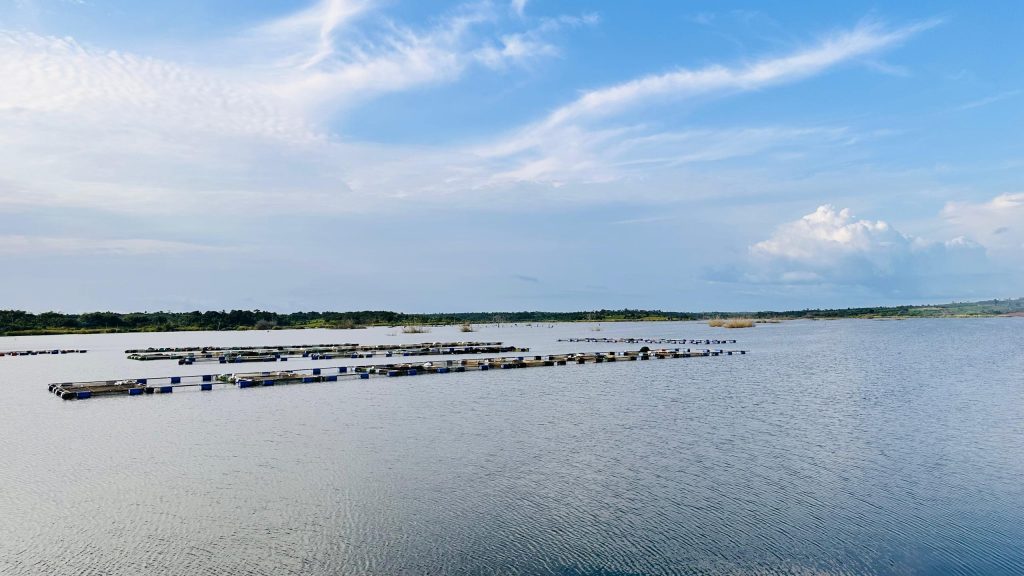
Mr Mutawakilu disclosed that GWL was considering the Gyankrom Dam as a potential additional intake source to augment the Kwanyako system.
He said a team of technical experts would be dispatched within a week to conduct a feasibility study on the dam.
“The team will assess the Gyankrom Dam in the coming weeks and advise management accordingly. Whatever outcome they report on, we will have further discussions with the Chief and determine the best way forward,” he said.
The Managing Director commended Obrempong Nyanful Krampah XI for his concern and proactive stance on the issue, describing him as a development-oriented leader whose actions demonstrated a commitment to improving the welfare of his people.
He also expressed appreciation for the Chief’s willingness to mobilize support and seek potential funding for the proposed dam project.

Mr Mutawakilu reiterated that it remained a top priority of President John Dramani Mahama’s administration to ensure that all Ghanaians have access to safe drinking water.
He stressed that the Government’s fight against illegal mining was driven by the need to protect water bodies and sustain national water production.
Obrempong Nyanful Krampah XI, for his part, expressed deep concern over the acute water shortages affecting communities in Gomoa West, East, and Central.
He said despite the area’s enormous resources and developmental potential, access to reliable water supply remained one of its most pressing challenges.
“The water situation has become so critical that I was preparing to visit the GWL Head Office myself to engage the Managing Director for a lasting solution,” he said, expressing gratitude that the MD had instead taken the initiative to visit the area in person.
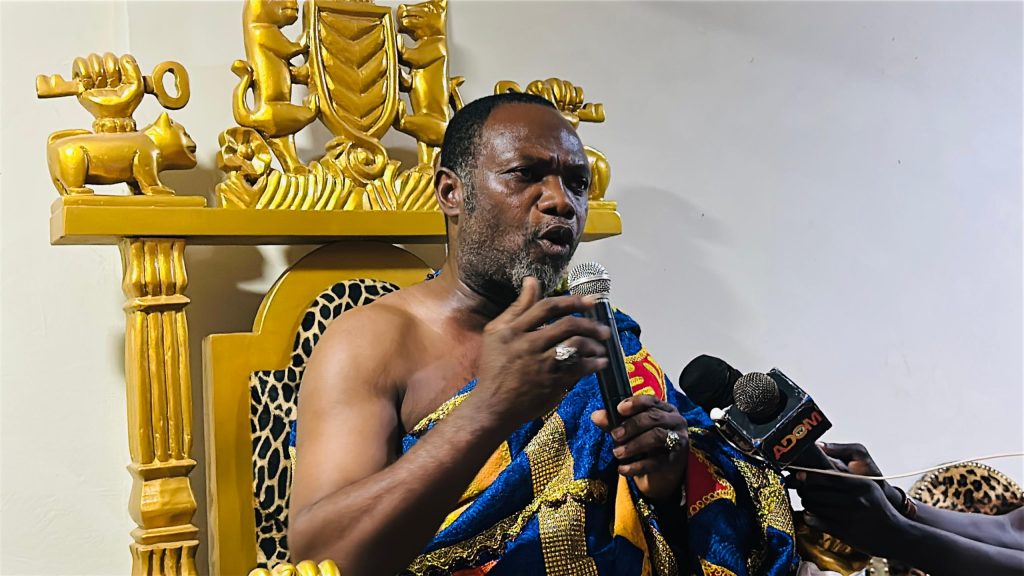
The Omanhene commended President Mahama for his “Water for All” agenda and appealed for a more stable water supply to his traditional area, emphasizing that the current situation was negatively impacting livelihoods and local businesses.
He proposed that the Gyankrom Dam be developed into a treatment facility to serve not only Gomoa but also parts of the Central Region.
According to him, the Traditional Council was ready to facilitate partnerships with potential investors should the company face financial constraints in implementing the project.
“If there are financial challenges, we are willing to link GWL up with investors who are interested in supporting the project,” the Chief assured.
He praised the GWL Managing Director for his swift response and personal engagement, describing it as a sign of responsible leadership and genuine concern for the people.
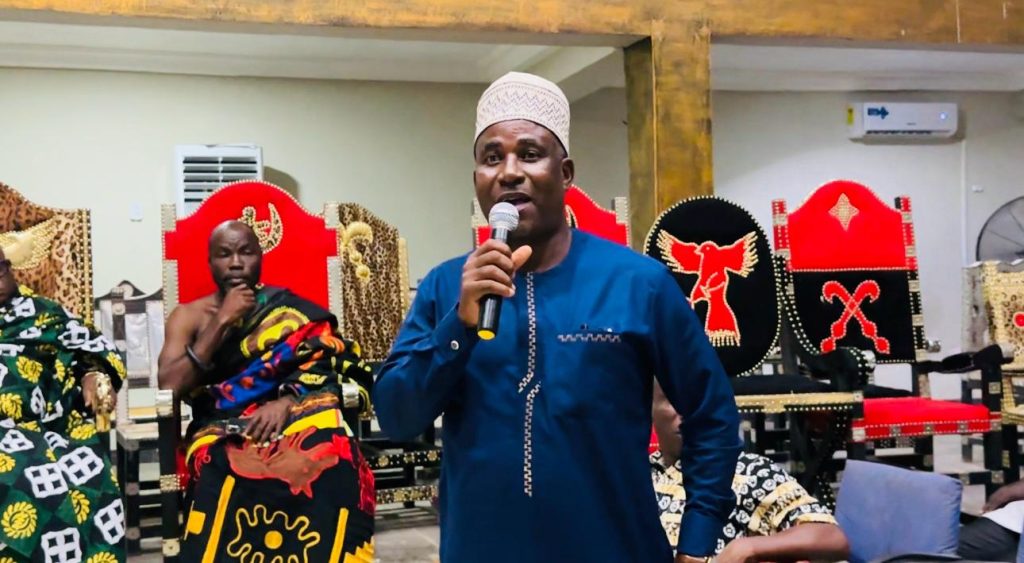
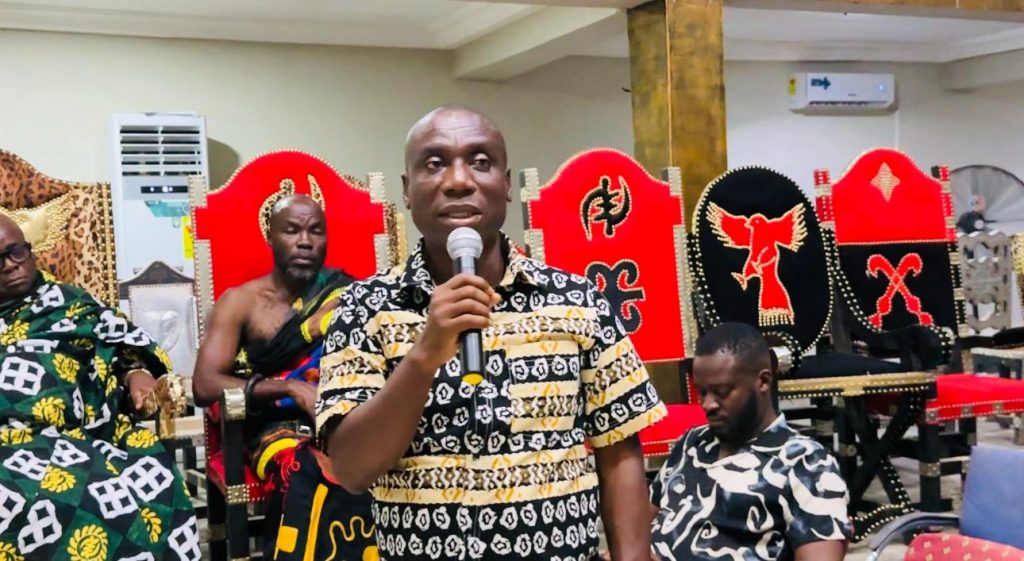
Present at the meeting were Mr Hackman Kwabena Aidoo, District Chief Executive (DCE) for Gomoa Central, and Mr Mohammed Kasim, DCE for Gomoa West who both expressed worry about the persistent water shortage and its impact on their communities.
They, however, expressed optimism that with the Managing Director’s personal involvement and the company’s commitment to finding lasting solutions, residents of the Gomoa areas would soon receive some relief.
GNA
Edited by Christian Akorlie