By Anthony Adongo Apubeo, GNA
Bolgatanga, Nov. 26, GNA – The Anglican Diocesan Development and Relief Organisation (ADDRO) has cautioned young people, particularly pupils in basic schools, to be responsible in their use of digital tools and social media to avoid exposing themselves to online abuse and long-term harm.
Speaking during an engagement with pupils of the Chiok Junior High School in the Builsa North Municipality, Madam Rebecca Lariba Seidu, Gender Officer for ADDRO, warned the pupils against irresponsible use of digital tools, particularly taking or sharing nude images.
She stressed that once such content entered the Internet, it becomes permanent and could return in later years to destroy reputations, affect careers, and cause emotional trauma that would be difficult to recover from.
“The Internet does not forget. Anything you put out there will remain. If it is good, it will benefit you; if it is bad, it will come back to hurt you,” she told the pupils.
The engagement formed part of activities marking this year’s 16 Days of Activism Against Gender-Based Violence, which runs from November 25 to December 10, 2025, under the theme “Ending digital violence against women and girls.”
It also aligns with the Gender Equity and Social Inclusion (GESI) initiatives being implemented by ADDRO with funding support from Episcopal Relief and Development aimed at addressing abuses and discrimination against vulnerable groups, particularly women, girls, and children.
Madam Seidu noted that the theme for this year’s global campaign was apt, explaining that the rise in digital violence against women and girls in recent times made it necessary to intensify awareness among the youth, who are the most active users of digital platforms.
She said the sensitisation exercise aimed to help young boys and girls understand both the benefits and risks associated with digital tools such as mobile phones, laptops, and other online platforms.
She urged them to use technology to improve their learning, personal growth, and future opportunities rather than engaging in risky behaviour.
“You can use the phone to do your homework and other assignments, but do not use it to watch pornographic pictures or films, and do not use it to take nude pictures of yourselves and share with your friends or post on social media, because it will come back to haunt you,” she advised.
Despite the campaign’s focus on digital abuse, Madam Seidu said ADDRO would continue to sensitise communities broadly on physical, sexual, economic, and psychological violence and their toll on victims and families.
She said ADDRO would intensify education across some districts, particularly in the Nabdam and Bawku West districts, and appealed to community members, especially parents and guardians, to work together to eliminate gender-based violence, which she described as pervasive in homes and communities.
“Gender-based violence is real. It affects us all, whether rich or poor. We must come together to reduce, if not eliminate, this menace,” she added.
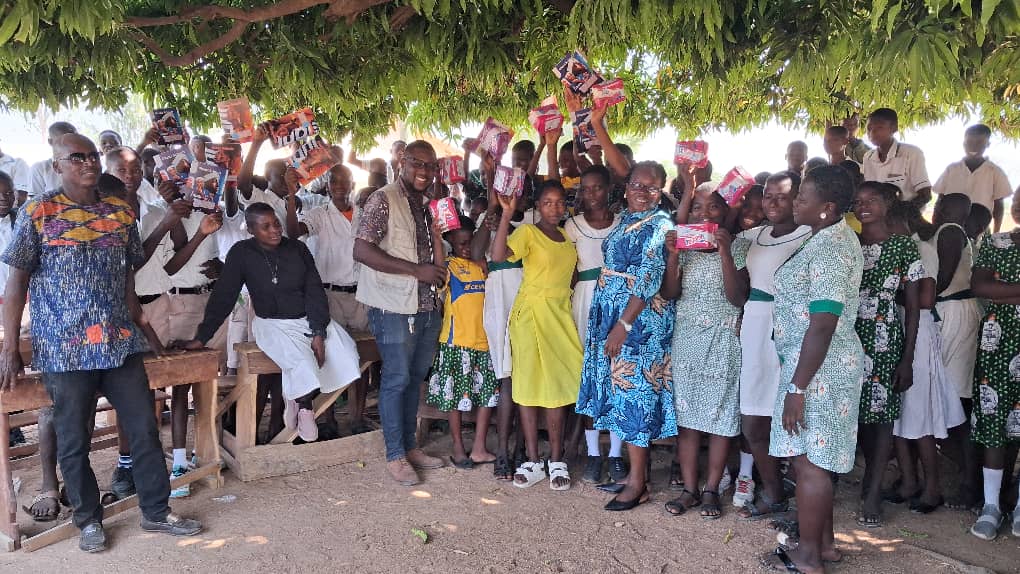
To enhance learning and menstrual hygiene, ADDRO donated exercise books and 100 packs of sanitary pads, with each girl receiving two packs to support two months of menstrual hygiene.
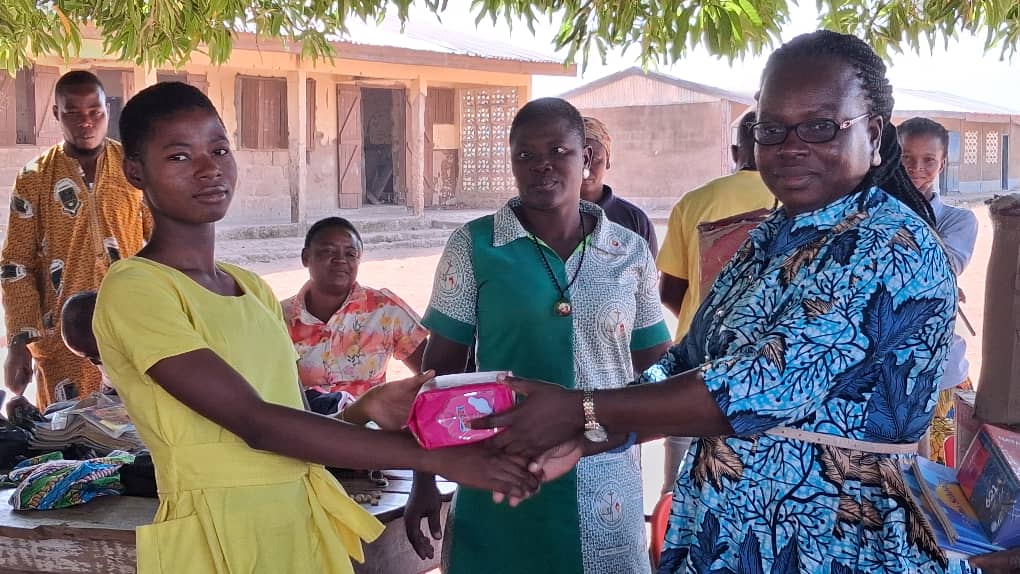
Madam Helena Afelibisa, the Headmistress of the Chiok Junior High School, expressed gratitude to ADDRO and its partners for the education, adding that the engagement would strengthen the efforts of teachers to mould the pupils into responsible citizens.
Ms Ethel Ayaala, the Girls’ Prefect of the school, who spoke on behalf of her colleagues, thanked ADDRO for the engagement and noted that they would share the knowledge gained with their peers at home to ensure wider impact.
GNA
Edited by Caesar Abagali/Christian Akorlie