By Jibril Abdul Mumuni
Accra, Oct. 14, GNA – Parents of special children who are denied admission into any school on account of the child’s disability should immediately report the issue to the Ghana Education Service.
Madam Happy Adongo, TEMA West Municipal Director of Special Education stressed that this reporting mechanism is essential to ensure that the law granting all children access to free public school education is upheld.
She said this at event to mark World Down Syndrome awareness month, which was organised by the Down Syndrome Association of Ghana and held at the Ghana International School, Accra.
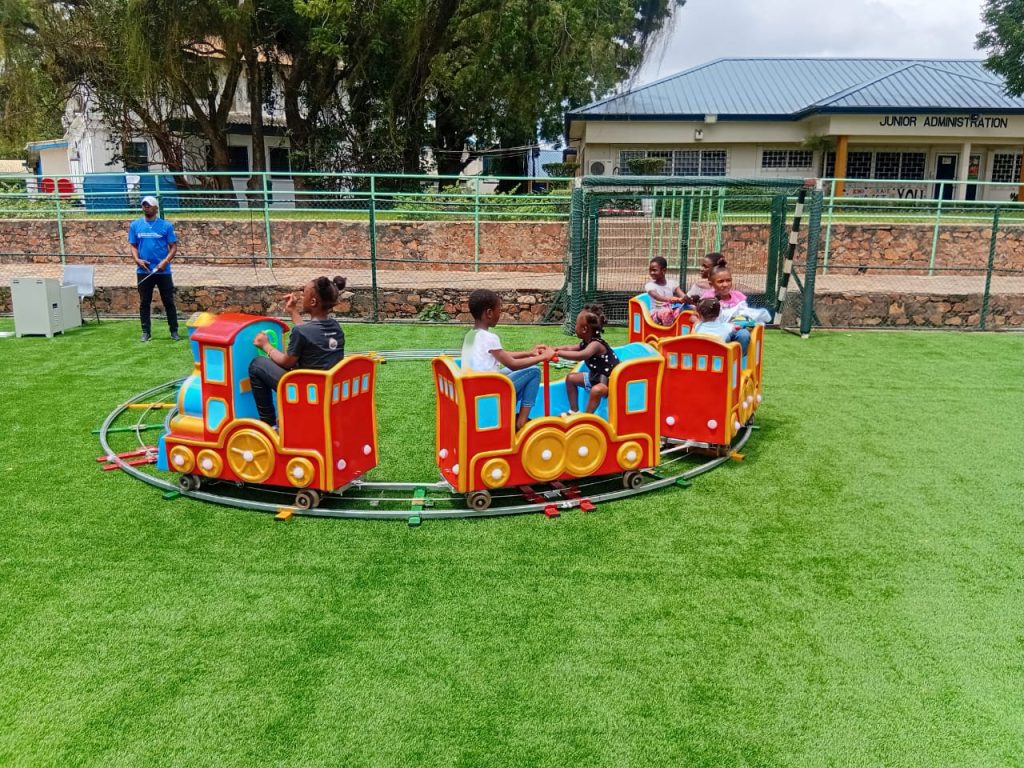
The event featured a health screening and fun-packed activities for parents and families of persons with Down Syndrome..
The event also featured an interactive session between special education experts and the parents on various topics, including therapy for parents and special education assessment for children with Down syndrome.
Down syndrome, a genetic condition caused by an extra copy of the 21st chromosome, is estimated to affect between 1 in 1,000 to 1 in 1,100 live births worldwide.
The DSAG estimates that approximately 31,000 people live with the condition in Ghana.
Challenges for people with Down Syndrome in Ghana include limited access to specialised services, widespread social stigma, and marginalisation from the workforce.
Madam Adongo warned schools against outright denial of admission for children with disability stating that it is the responsibility of the school to facilitate the process for inclusive education.
“You don’t have to tell the child that I can not admit you. You will first accept and facilitate the child’s admission. Then, an assessment is done, and the child will be placed appropriately. All children are supposed to be educated. No child should be left behind,” she asserted.
Madam Adongo’s comments came as she underscored the critical need for mandatory special education assessment to ensure children with disabilities are appropriately placed within Ghana’s school system.
She described the assessment as the “crucial first step” to identifying a child’s unique strengths and weaknesses and determining their need for special services.
Madam Adongo detailed that the assessment was essential for key outcomes, notably identifying children who need special services, developing an Individualised Education Programme (IEP), making decisions about educational placement, and evaluating the child’s progress.
“You can’t just see a child, and then you start giving the child needs. You have to first do an assessment so that you know you identify the child’s needs,” she stated.
She further explained that the special education assessment entailed major specialist processes that require collecting data from multiple sources, including observation, school records, teachers’ reports, and parents.
Madam Adongo urged parents to utilise resources such as the National Assessment Centre and the special education coordinators in district education centres to navigate the assessment process and secure their child’s educational rights.
Ms. Agnes Teiko Nyemi-Tei, Executive Director of DSAG, called for comprehensive healthcare tailored for persons with disabilities, with a specific focus on individuals with Down Syndrome.
She noted that the significant and complex health challenges faced by children with Down Syndrome place an unsustainable burden on their families and caregivers.
She said the healthcare needs of people with Down Syndrome are extensive and life-long, noting that over 50 per cent of children born with the condition suffered from congenital heart diseases, making cardiology a critical area as part of their healthcare.
GNA
Edited by Samuel Osei-Frempong