By Opesika Tetteh Puplampu
Ada, Oct. 31, GNA — Some Africans and diasporans have shared emotional stories of how climate change is reshaping their lives, communities, identities, and future hopes during a five-day forum convened by The Climate Sociologist for the Bosch Alumni Network.
The dialogue, held in Ada, on the theme: “Connecting Climate Action with Cultural Wisdom,” explored how African cultural knowledge, indigenous resilience systems, and lived experiences could guide practical solutions to the climate crisis.
Madam Emmaryn Leuzzi, the Founder of The Climate Sociologist, said African societies must move beyond narratives of vulnerability and instead draw strength from cultural and ancestral sustainability practices.
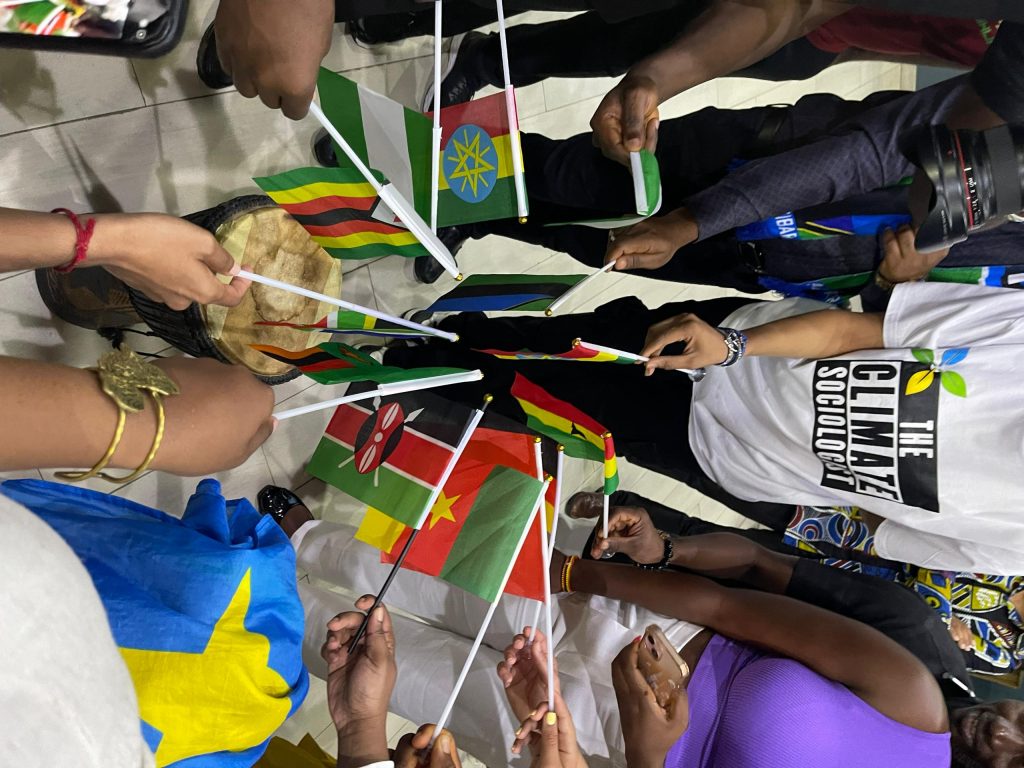
“We must eschew the vulnerable narrative and embrace our strengths. Indigenous practices are not outdated; they are blueprints for innovative and practical climate solutions. While the world debates technology and finance, our traditions already hold answers,” she said.
Participants from West, East, Central, South and North Africa shared striking personal accounts of climate impacts, from food insecurity to migration and loss of cultural identity.
A participant from Sierra Leone made a profound reflection, saying “I am short because of climate change. Yes, this height is caused by climate change.”
He explained that environmental degradation, food shortages and unstable seasons in his childhood community had led to malnutrition, stunted growth and heightened conflict over resources.
Others described rising temperatures, unpredictable rainfall, sea erosion, disappearing farmlands, water scarcity, loss of biodiversity and changing livelihoods; all eroding traditional ways of life passed through generations.
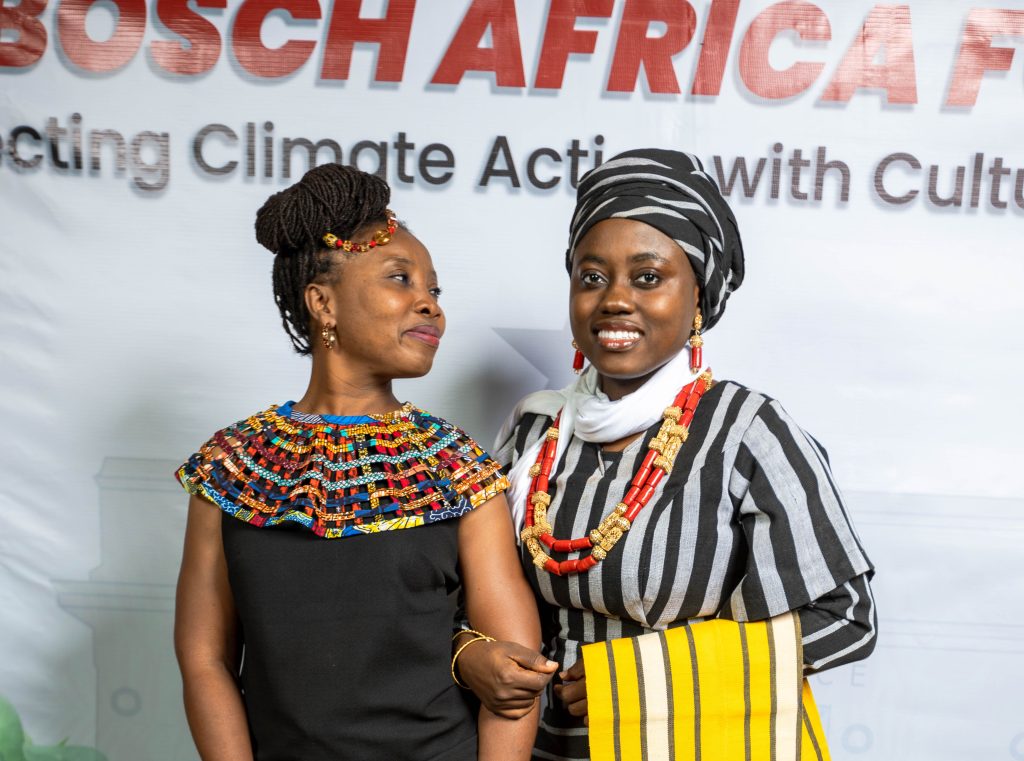
“The earth feeds us, clothes us, and gives us the air we breathe. The least we can do is learn to care for it in return,” Ms Jovial Tetteh, a participant, reflected.
Experts urge leaders to pay close attention to the concerns of the people instead of imposing solutions on them.
Dr Yaw Agyeman Boafo of the Centre for Climate Change and Sustainability Studies, University of Ghana, stressed the importance of community-driven solutions.
He said, “Communities understand their own realities, and they must be heard, stating that cultural wisdom was not some ancient relic but a living knowledge system that had sustained Africa’s ecosystems for centuries.
Participants explored traditional coping mechanisms such as communal farming systems, water conservation rituals, seasonal migration, indigenous seed preservation and sacred ecological protection zones.
The forum blended cultural expression, scientific insight and modern innovation, which saw attendees participating in problem-solving sessions, storytelling, and short drama performances to illustrate the human face of climate impact.
Ms Mariam Harunna from Nigeria called for proactive continental planning, especially as emerging technologies reshape climate governance.
“We must anticipate future challenges, not only react to current ones. With technologies like AI and blockchain, Africa must design policies that protect our environment and our people,” she said.
The session highlighted key climate stressors already affecting many African communities, which included erratic rainfall disrupting farming and food production, heat waves affecting health and agricultural yields, and sea-level rise and coastal erosion threatening fishing communities and tourism.
Other effects were droughts and water shortages leading to migration and conflict, loss of biodiversity and traditional medicinal plants, and childhood malnutrition linked to crop failures and rising food costs.
Africa, scientists said, contributed less than four per cent of global emissions, yet faced disproportionate climate risks.
The forum concluded with a renewed commitment to value cultural heritage while harnessing modern tools for climate action.
Participants agreed that Africa’s strength lies in blending ancestral wisdom, youth innovation, community engagement, and equitable access to finance and technology.
GNA
Edited by Laudia Sawer/ Christabel Addo