By Eunice Hilda A. Mensah
Accra, Oct.30, GNA – Mr Evariste Sindayigaya, Sub-Regional Director for West and Central Africa, Plan International, has called on African governments to invest in Africa’s education to improve individual wellbeing, and build inclusive and resilient society.
He said if governments could allocate about 10 to 20 per cent of their budget and four to six per cent of the Gross Domestic Product to the educational sector, the outcome could be a life-changing moment for the growing generation.
“They are outcomes which will help children grow and also be able to take care of their lives. They will enable children, especially girls, acquire the skills and knowledge for life, for work and survival,” he added.
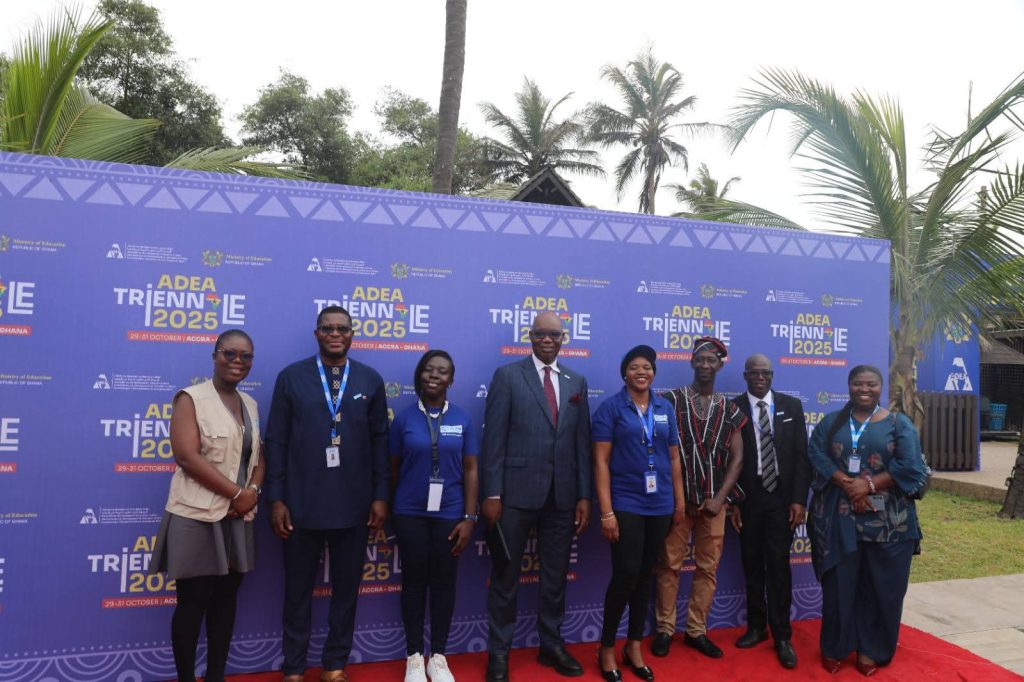
Mr Sindayigaya made the call at the opening of a three-day ADEA (The Association for the Development of Education in Africa) TRIENNALE 2025 conference in partnership with the Ministry of Education of Ghana 2025 conference on education in Accra.
It was on the theme: “Strengthening the Resilience of Africa’s Educational Systems: Advancing Towards Ending Learning Poverty by 2035 with a Well-Educated and Skilled Workforce for the Continent and Beyond.”
At Plan International, Mr Sindayigaya said their ambition was to advance the rights of children and promote equality for girls, and therefore made sure that all girls were standing strong, creating global change.
“And we also work with our partner institutions to make sure that girls can lead, decide and thrive. Thriving means that children, especially girls, must grow in environments which are free of aggression. And we make sure that girls learn in self and inclusive environments,” he explained.
Mr Sindayigaya said Plan International also worked with institutional partners so that girls could be responsible for their own lives, and take part in decision-making structures both at the community and national level.
Reiterating the relevance of education, he said Plan International as part of their core projects, ensured that out-of-school children were enrolled in school to “learn, lead, decide and thrive.”
Highlighting some of the challenges in Africa’s educational sector, he said there was no proper coordination of the various actors.
Moreover, there was duplication of efforts or resources.
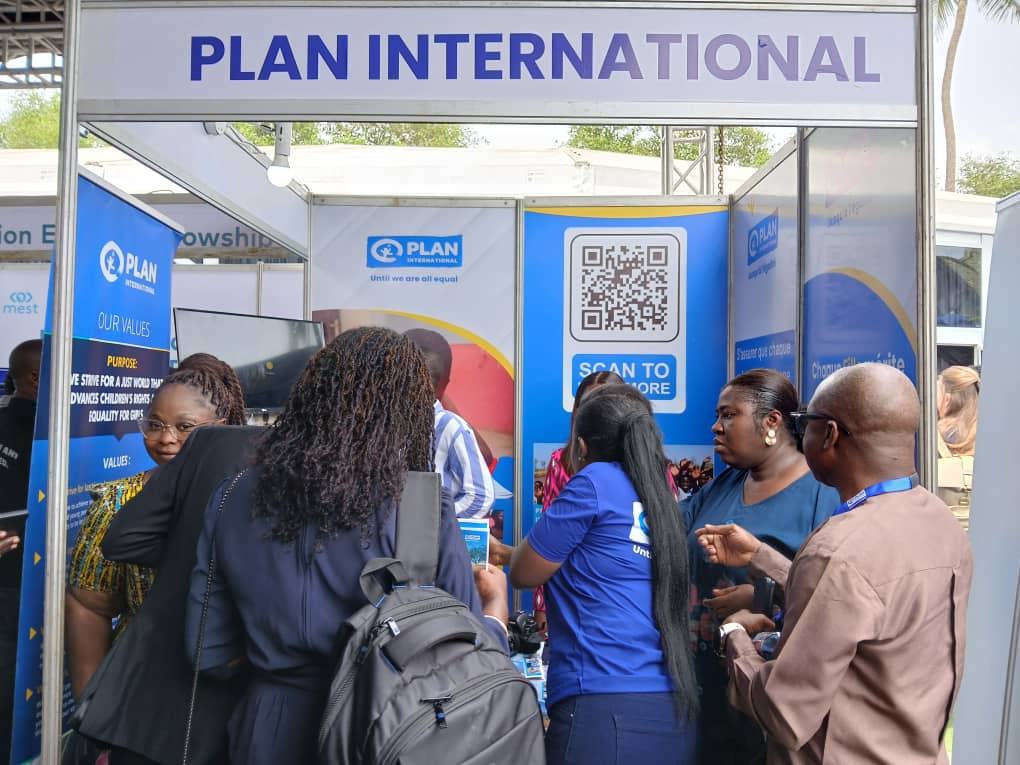
“Therefore, this forum is critical for us because we are working or strategizing as partners to see how we can coordinate better, how we can also allocate resources where they can deliver greater impact,” he added.
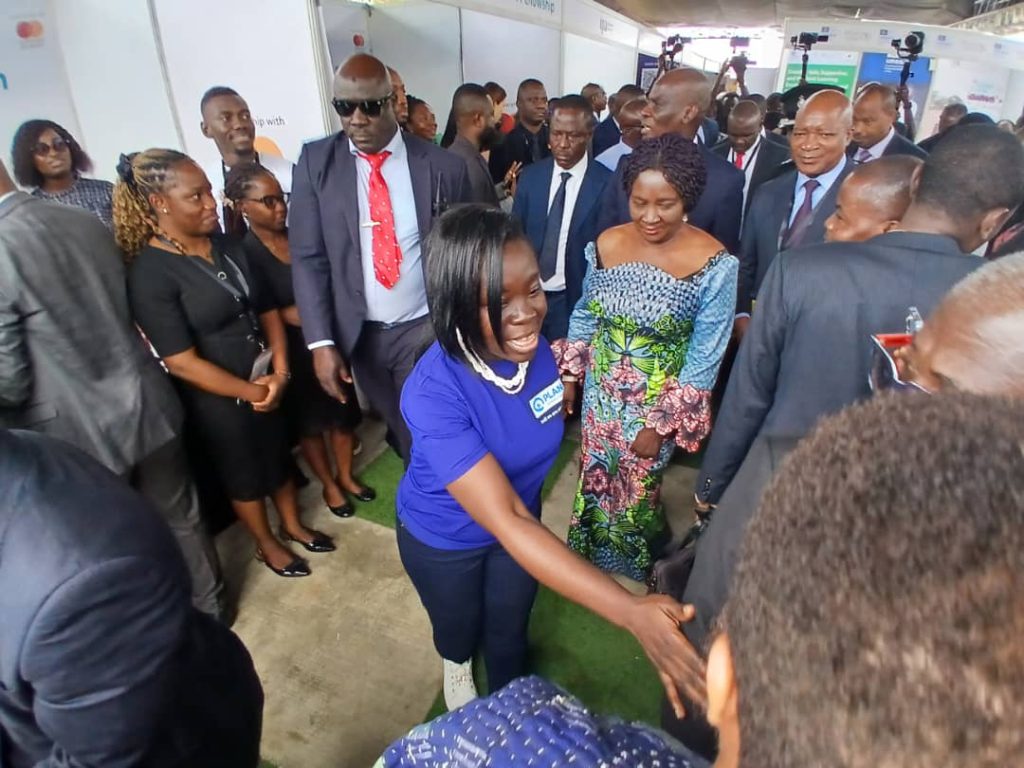
Mr Constant Tchona, the Country Director, Plan International Ghana, said his office, a major partner of the Ministry of Education for years had been helping government through the Ghana Accountability for Learning Outcomes Project (GALOP) project to get children in both rural and urban areas back to school for better learning outcomes.
Despite the effort, he said there were still a significant number of children out of school.
“So we are making sure that we’re transitioning them into the mainstream education and retaining them. So I’m here today to hear from other countries, you know, how they’re doing it. But also, how can we scale up the impact that we’re making? In Ghana, the number is more than one million out of school children.
“But the work that we’re doing now, even though it’s really commendable, its not close to one million out of school children. So how do we scale up the response in a context where the funding is shrinking, or has shrunk? So how do we scale that up? Mr Tchona asked.
He, therefore, invited more partners to join hands with the private sector to make a meaningful impact on education, saying: “This is the best thing we can do for our children and our country. The sustainable development of Ghana and Africa comes from investment in our children’s education and we need to stop seeing education as, you know, a social cause.
“It’s something very important. We need to see it as a strategic investment. And we need to make sure that, we are increasing the percentage of the budget, you know, against the public expenditure in Ghana towards that,” he reiterated.
The Country Director appealed to the donor community to support, adding: “… you still need to remember that investing in education is not charity. You’re doing it because it’s important for the global security.”
Mr Tchona said there were more than 100 million out of school children in Sub-Saharan Africa and 24 per cent of them were females.
“All the children are impacted but females are impacted more. So how do we make the system more gender responsive and more inclusive? This is really one of the calls that we are making to governments, you know, to civil society, to donors, to increase the level of investment into education for all children,” he added.
GNA
Edited by George-Ramsey Benamba