Accra, Sept. 15, GNA – Professor Francis Otoo, Acting Director-General of the Nuclear Regulatory Authority (NRA), has called on developed countries to share knowledge and remove barriers that prevent African nations from accessing advanced nuclear technologies for peaceful purposes.
Prof. Otoo made the appeal at the 66th Annual Meeting of the Institute of Nuclear Materials Management (INMM) held in Washington D.C., United States, from August 24 to 28, 2025.
Speaking on a panel discussion on “Peaceful Uses of Nuclear Energy, Science, and Technology – The Nexus between Articles III and IV of the Treaty,” he said for Africa and much of the Global South, nuclear energy was not a luxury but a necessity to address urgent challenges such as energy poverty, climate change, food insecurity and access to healthcare.
“For many of us in the Global South, Article IV of the Non-Proliferation Treaty (NPT) is not a bonus; it is the very heart of the Treaty. The credibility of the NPT depends on its ability to deliver practical cooperation on peaceful nuclear uses, alongside strong safeguards under Article III,” he stressed.
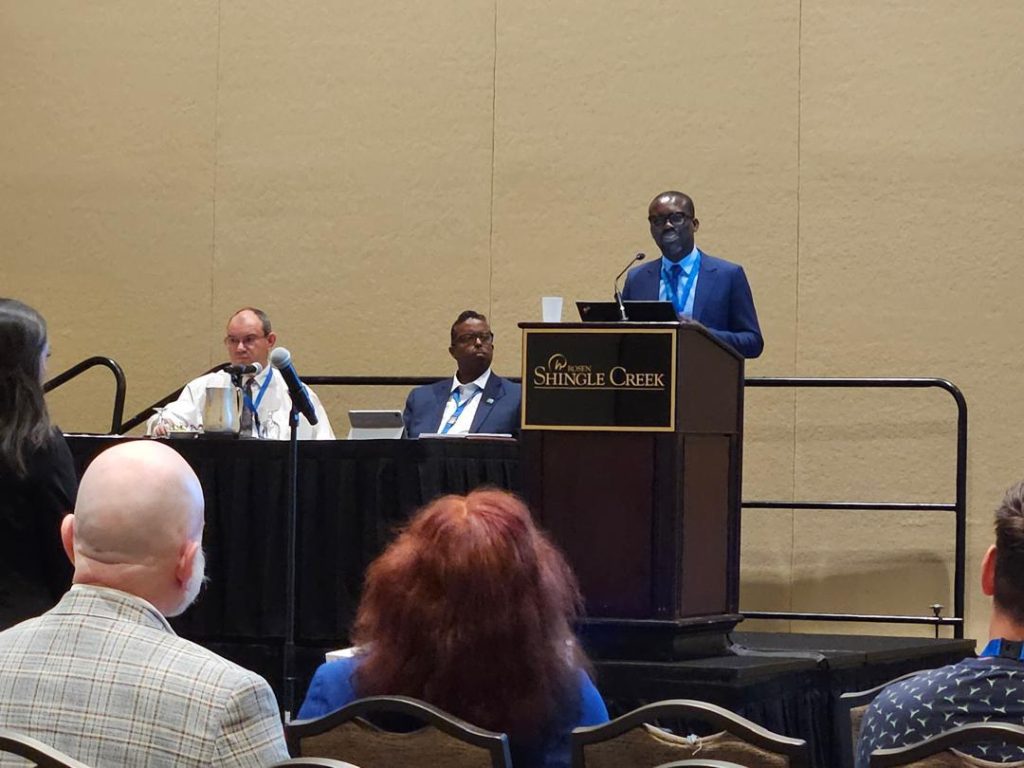
Prof. Otoo said that nuclear applications were already improving lives in Africa, citing their use in cancer treatment, food and agriculture, clean water management, and industry.
He pointed to the International Atomic Energy Agency’s initiatives, including Rays of Hope for expanding cancer care and Atoms for Food for advancing nutrition and agriculture, as examples of how nuclear science was transforming societies.
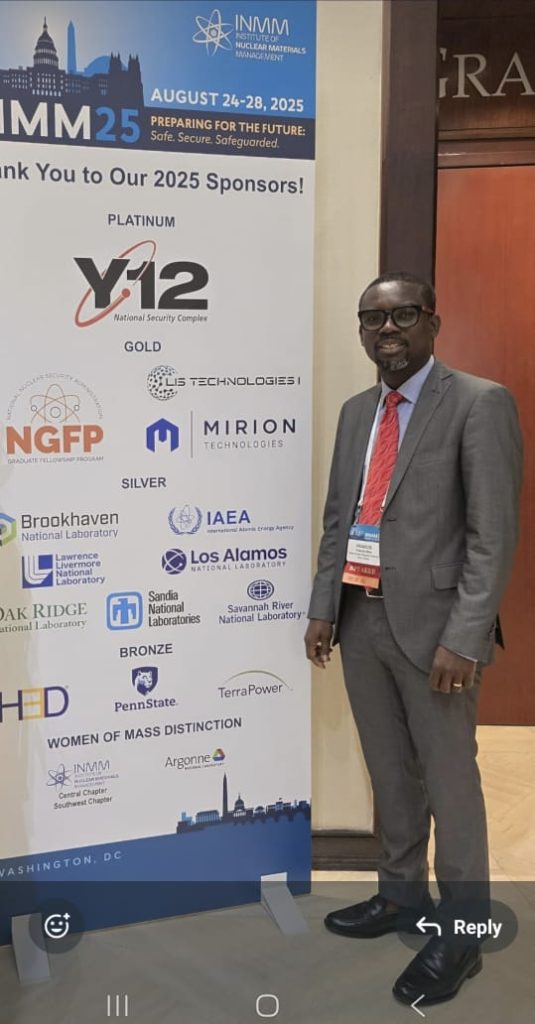
He said the 2026 NPT Review Conference, scheduled for New York, must show visible progress by expanding such initiatives so that no vital projects were left unfunded.
Addressing concerns about safety and regulation, Prof. Otoo explained that Africa was building robust oversight systems through platforms such as the Regulatory Cooperation Forum (RCF) and the Forum of Nuclear Regulatory Bodies in Africa (FNRBA). Ghana, he added, had benefitted from support from the United States, European Union, IAEA, and bilateral partners to strengthen nuclear safeguards, safety, security, and transparency.
On advanced reactors and emerging technologies, he said Africa’s leadership as the first nuclear-weapon-free zone under the Pelindaba Treaty provided a strong foundation for peaceful nuclear expansion.
He urged the upcoming Review Conference to ensure that such technologies remained accessible, safe and proliferation resistant.
“The NPT will only remain credible if Articles III and IV move in tandem – with strong safeguards matched by real cooperation on peaceful uses,” Prof. Otoo concluded. “For Africa, nuclear technology is already improving health, food security, and energy access. The 2026 Review Conference must reaffirm this balance to keep the Treaty meaningful for all States.”
The INMM annual meeting brought together experts, regulators, policymakers, and academics to discuss international safeguards, non-proliferation, and peaceful nuclear applications.
GNA
Edited by Samuel Osei-Frempong