By Eric Appah Marfo
Accra, Sept. 29, GNA – Mr C.K. Bruce, an IT Governance and Information/Cyber Security Consultant, has urged Africans to take ownership of the continent’s development and not depend on external aid and interventions.
He said Africa stood at a turning point in history, blessed with resources, talent, and cultural power that gave it the capacity to shape the future of the world—if only it chose responsibility over dependency.
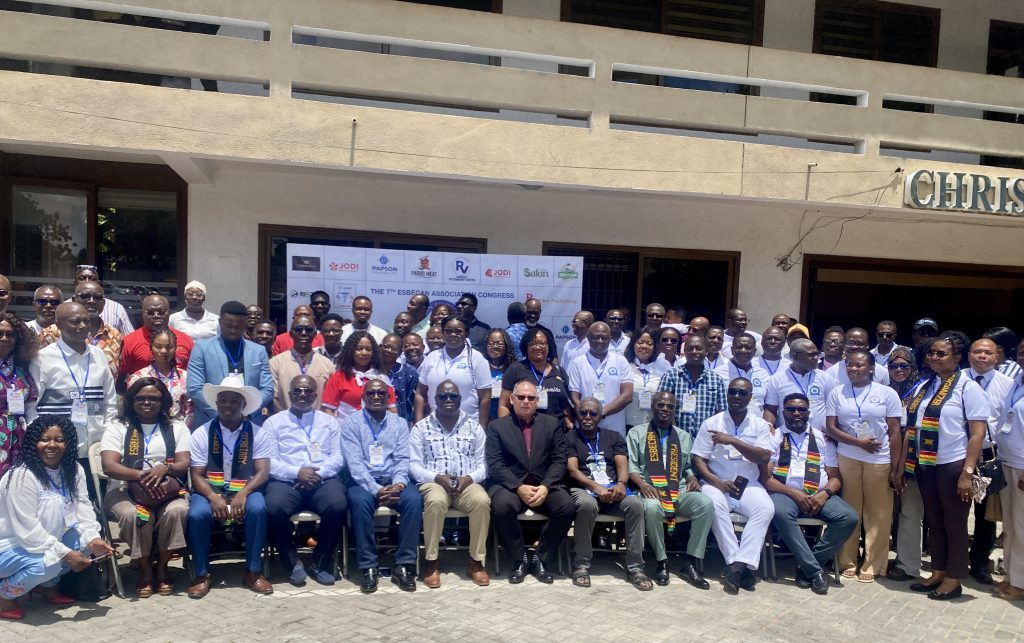
Delivering the keynote address at the 7th ESBECAN Association Congress in Accra, on the theme “Promoting Unity, Strengthening Bonds”, Mr Bruce said the continent had the people, resources, and creativity to chart its own destiny.
The ESBECAN Association is made up of Ghanaian professionals trained in Cuba under the Ghana–Cuba cooperation programme, initiated in 1983 by late President Flt. Lt. Jerry John Rawlings and late Commander-in-Chief Fidel Castro.
The programme saw the first batch of 607 Ghanaian students to ESBEC (Escuela Secundaria Básica en el Campo, or Basic Secondary School in the Countryside) No. 22, which was established on the Isle of Youth and named after Dr Kwame Nkrumah.
The initiative has since produced thousands of professionals, including doctors, engineers, agronomists, pharmacists and nurses.
He described Africa as the youngest continent, with 60 per cent of its population under 25, and projected that by 2050 one in every four people in the world would be African.
“This demographic energy—when educated, empowered, and given opportunities—will position Africa as the world’s workforce, creativity hub, and leadership centre. The world cannot ignore us because we are the future,” he added.
He said Africa was fast becoming a magnet for investors, with some of the fastest-growing economies and a continental free trade area boasting 1.3 billion people and a GDP of over $3 trillion.
“Investments are coming to Africa not as charity, but because they see opportunity. The wealth of tomorrow is African wealth,” he stressed.
Mr Bruce also pointed to Africa’s record of leapfrogging the world through innovation—pioneering mobile money, skipping landline technology, and producing world-class fintech, agritech, and healthtech solutions.
He said Afrobeats, Nollywood, African fashion, and sports had become powerful cultural exports shaping the global imagination.
Touching on Africa’s global standing, he said the continent was no longer on the margins but was now central to the 21st-century order, with the African Union gaining a seat at the G20 and global powers competing for Africa’s partnership.
“Africa is no longer knocking at the door of history. Africa is writing history,” he added.
He acknowledged Africa’s challenges—infrastructure gaps, governance deficits, and climate change—but noted that these could be turned into opportunities.
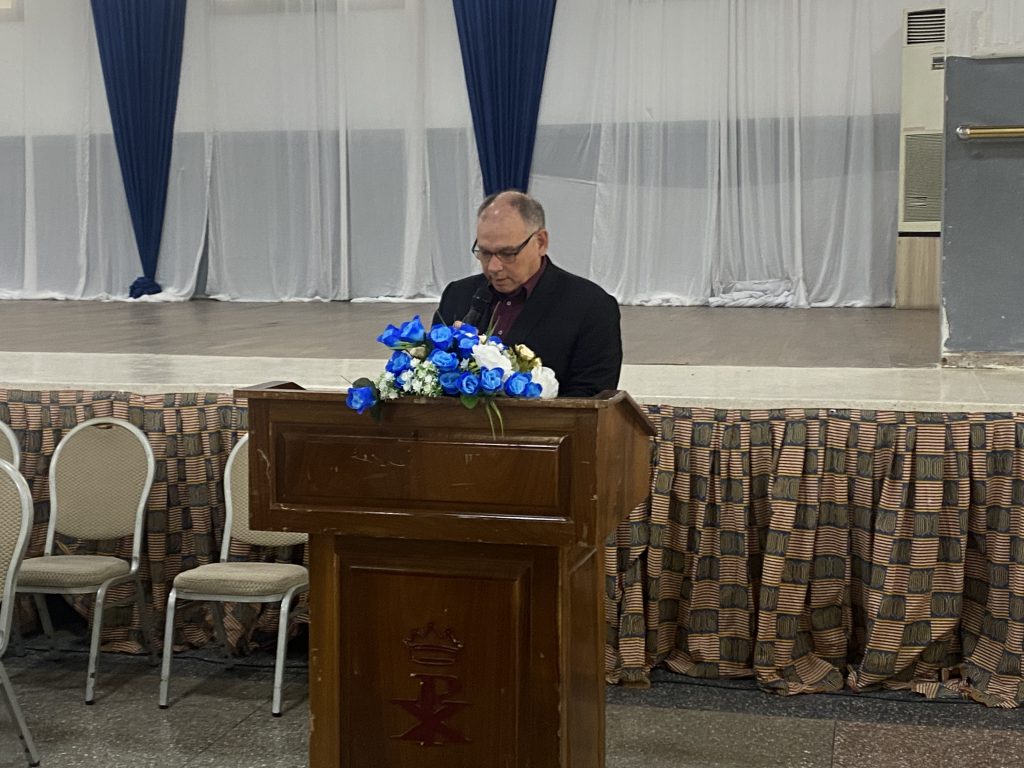
Mr Julio Enrique Pujol, Cuban Ambassador to Ghana, also addressed the gathering, celebrating more than 2,000 Ghanaians who had studied in Cuba since 1983.
“Today, this scholarship programme continues, and we assure you that it will continue because we are convinced that it is the best thing for everyone,” the Ambassador said, pledging Cuba’s continued commitment despite challenges posed by the long-standing U.S. blockade.
The Ambassador reminded them of the centenary celebration of Fidel Castro next year, adding that the congress served as a tribute to his life and work “on behalf of our brothers and sisters in Africa, for whom we have given even our own blood.”
“It is a great satisfaction for us as Cuban representatives here in Ghana to meet Ghanaians who studied in Cuba at every turn. They are always proud of their past, and that inspires us and commits us to continue with this necessary endeavour…”
He condemned the ongoing Israel-Palestinian conflict and urged world leaders to use every platform available to call for its end.
Mr Pujol urged alumni to serve as ambassadors of Ghana-Cuba relations, mentors for the younger generation, and contributors to national development.
GNA
Christian Akorlie