By Joyce Danso
Accra, Aug. 31, GNA – Mrs Mercy C. Adjabeng, a Gender and Communication Specialist, has urged universities to establish safe reporting spaces and guidelines for victims of sexual assault and harassment to prevent the menace.
She said the prevalence of sexual assault and harassment in universities across the country continued to undermine safety, dignity and academic well-being of students and lecturers, with the most affected being vulnerable and marginalised groups.
At a the two-day multi stakeholder workshop at Aburi in the Eastern Region, she called for counselling and psychosocial systems in the various universities to support survivors.
The workshop looked to strengthen Survivor Centered Gender Based Violence (GBV) and Sexual Harassment Response and Establish Safe Reporting Spaces on University Campuses.
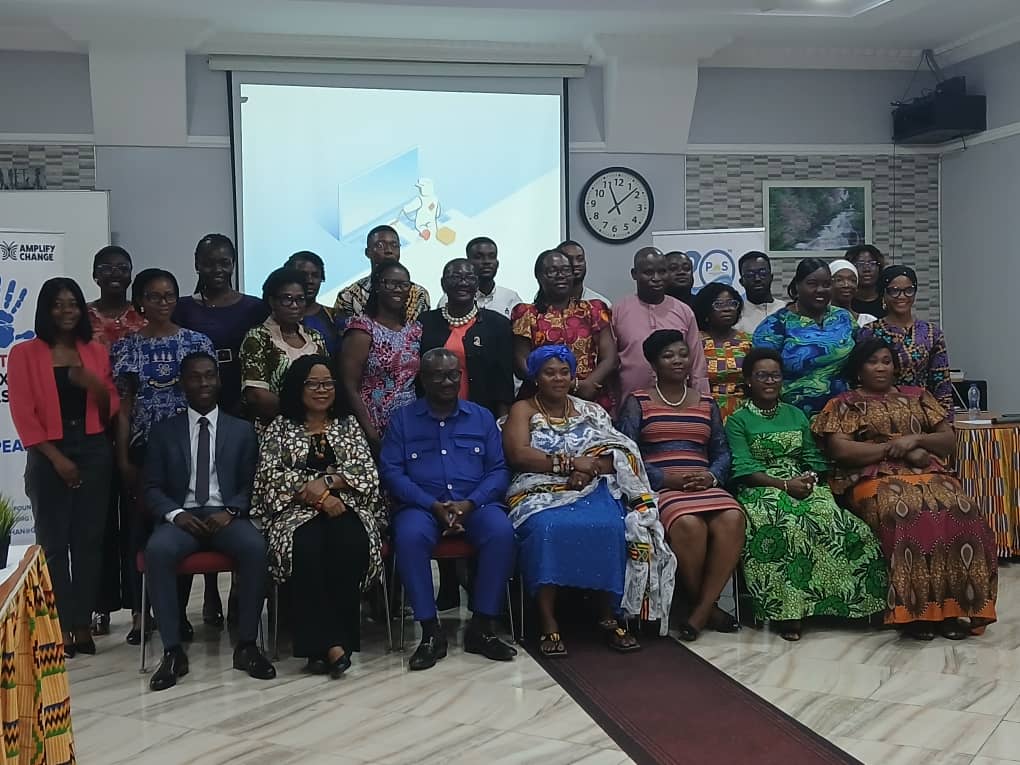
It brought professors, officials from the Ministries of Gender, Children and Social Protection, Education, Domestic Violence and Victims Support Units (DOVVSU), and student and staff representatives from five universities to discuss their gender policies and the gaps that needed to be addressed.
The institutions are the University of Ghana, University of Education, Winneba, University of Development Studies, Kwame Nkrumah University of Science and Technology (KNUST) and University of Cape Coast.
Mrs Adjabeng, who undertook a study in the five universities, this year, with over 600 sample size, said the study dealt directly with the targets of Sexual Assault and Sexual Harassment in a very “free and safe space.”
It revealed that the five universities had reviewed their policies, indicating forward looking efforts to remain relevant in the phase of changing trends.
“The presence of counselling and psychosocial systems to support survivors is another positive indication of inclusion,” she said.
However, Mrs Adjabeng called for urgent attention to address significant gaps in policy awareness, resources for holistic support for survivors, and provision of institutional reporting and grievance system for sexual misconduct.
“As we deliberate on strengthening policies, procedures, and support systems, let us prioritize the needs and voices of survivors,” she said.
“We can create a culture of zero tolerance, accountability, and support, ensuring that our universities are safes paces for all students to thrive.”
Mrs Adjabeng asked the participants to translate their discussions into tangible actions, fostering a future where every student would pursue their academic aspirations without fear of harassment or violence.
Professor Marian Asantewah Nkansah, Director of Student Affairs, KNUST, said the university, this year, launched an online application where people could access counselling services.
The application enabled those who accessed it “to pour their hearts out and people did not need to show their faces but one has to log in with his or her details,” she said.
“It is a safe space for people who access it and it also serves the needs of the KNUST and its communities.”
Mr Jonathan Osei Owusu, Executive Director of POS Foundation, which engages in human rights advocacy, said the foundation’s collective ambition was to expand the creation and maintenance of safe spaces on campuses of private universities and 10 technical universities.
He called for the institutionalisation of annual or biennial Education Conference on Safe Campuses and Gender-based Violence Prevention to help address sexual harassment.
GNA
Edited by Agnes Boye-Doe