By Eunice Hilda A. Mensah
Accra, Aug. 6, GNA – More than two million Ghanaians, aged five years and above, have varying degrees of difficulty in performing daily activities, Professor Samuel K. Hayford of the University of Education, Winneba, has disclosed.
He said the figure, pegged at 2,098,138, represented a higher prevalence among females (8.8 per cent) compared to males (6.7 per cent), according to data from the Ghana Statistical Service (GSS).
Visual impairment remains the most prevalent form of disability in Ghana, affecting 4.6 per cent of males and 4.0 per cent of females nationwide.
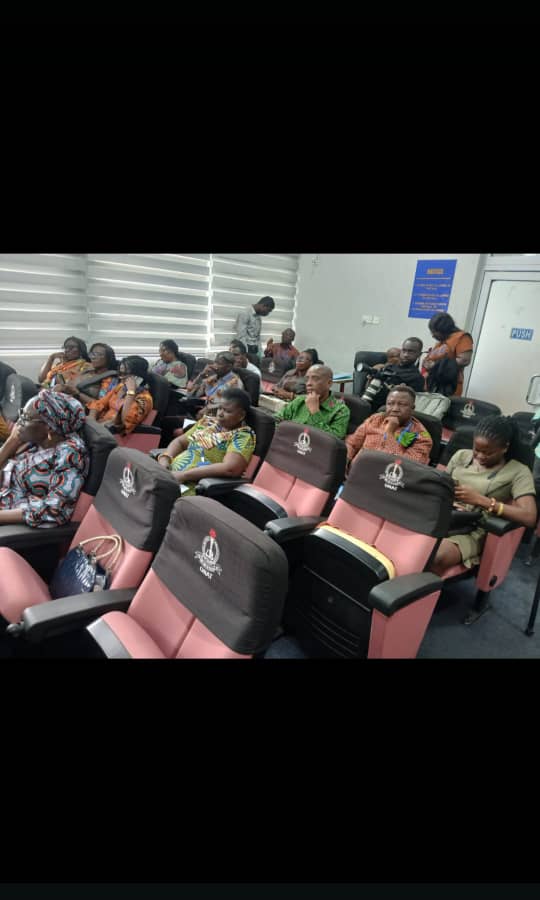
The Professor of Special Education presented the data at the 42nd Annual Workshop in Accra for Heads of Special Schools, on the theme: “Inclusive Education in Ghana: The Role of Special Schools.”
He said the GSS 2021 report revealed that 150,000 persons aged five years and above had severe to profound disabilities, including non-expressive communication (17,577), self-neglect (28,598), unintelligible speech (15,196), immobility (33,778), deafness (19,448), and blindness (35,642).
Five of Ghana’s 16 regions – North East, Bono, Western North, Savannah, and Oti – lacked special education facilities such as special schools or resource and assessment centres, he noted.
In addition, four districts; Gushegu (59.4 per cent), North Gonja (55.8 per cent), Central Gonja (54.0 per cent), and Karaga (51.9 per cent), had more than half of all children aged five to 15 years who had never been to school.
Prof. Hayford said Ghana’s 2015 Inclusive Education Policy defined inclusive education as “a system that accommodates all learners, irrespective of their physical, intellectual, social, emotional, linguistic, or other conditions.”
He likened the role of special schools in education to intensive care units in health facilities, indicating that while inclusion was key, there would always be a need for specialised institutions to support learners with profound and pervasive needs.
Prof Hayford, however, pointed out several implementation challenges, including negative societal attitudes and stigma, gaps in teacher training, limited resources, inadequate teaching materials, assistive technology, and infrastructure deficits.
“Many mainstream schools still lack accessible buildings and facilities, while classrooms are overcrowded, and there are inadequate assessment centres and professionals to identify and support learners with disabilities,” he said.
To address the gaps, Prof. Hayford proposed increased investment in special schools to enable them to support mainstream schools in meeting the needs of learners with disabilities.
He called for the training of more professionals within the education sector to serve as resource persons and mentors for inclusive practices, while encouraging parents and communities to actively promote awareness and reduce stigma.
He urged Heads of Special Schools to collect data on disability prevalence and outcomes of inclusive practices, and to effectively utilise the dashboard developed by the Special Education Division of the Ghana Education Service to achieve the desired outcomes.
Professor Ernest Kofi Davis, Director-General of the GES, in a speech delivered on his behalf, described inclusive education as one of the four pillars of education in Ghana, alongside quality, access, and administration.
He said inclusive education was not just a policy, but a vision rooted in human dignity and the principle of equal opportunity for all.
“Physical differences should not be seen as obstacles but as assets that enrich the learning experience,” Prof. Davis said.
He emphasised that inclusive educational environments improved academic performance and enhanced social development, urging Heads of Special Schools to be change agents who promoted adaptive technology and accessible infrastructure.
“We must move from mere compliance to compassionate commitment. Inclusion is not a trend; it is a movement,” he added.
“Let us create an environment where all children learn together and grow into adults who uplift one another.”
GNA
Edited by Agnes Boye-Doe