By Benjamin Akoto
Fiapre (Bono), July 19, GNA – The Reverend Professor Peter Nkrumah Amponsah, the Pro Vice-Chancellor of the Catholic University of Ghana (CUG) has advocated reforms in the nation’s laws that promote ‘freedom of speech’ to meet the emerging demands of digital democracy.
He said: “The current statutes on false publication and offensive conduct are vague and prone to subjective interpretation, thereby raising concerns about misuse and suppression of dissent”.
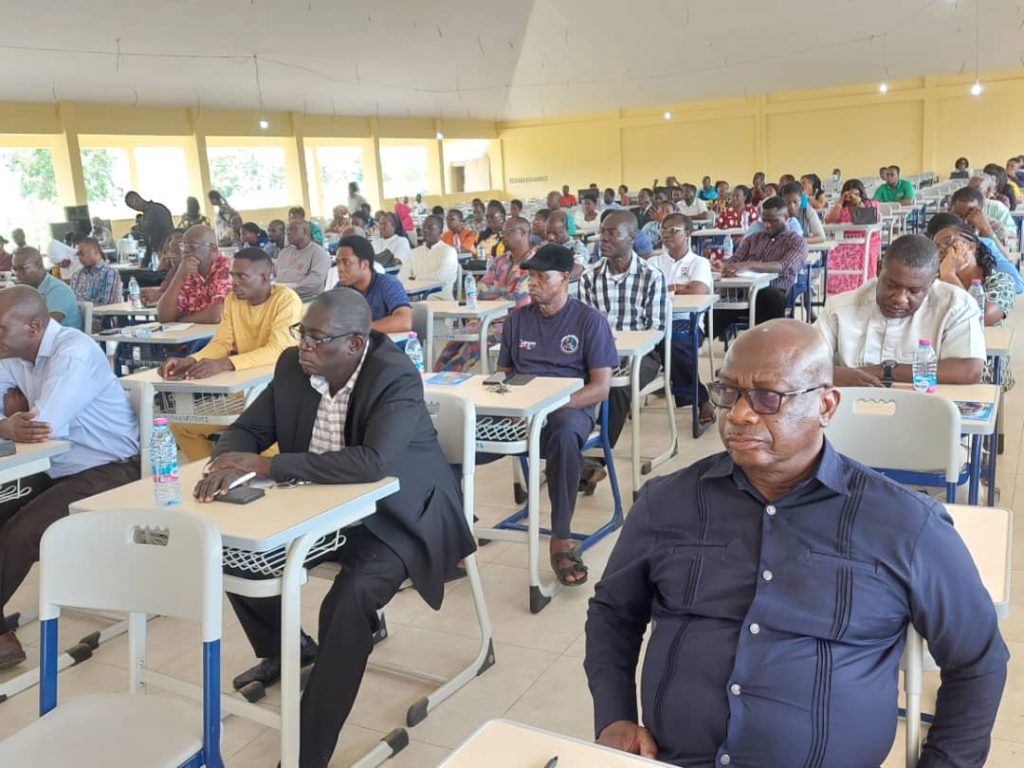
Prof Amponsah made the call when addressing the third inaugural lecture of the university on the theme “Free Speech and False Information: Legal and Ethical Boundaries in Digital Democracy”, held at the University main campus at Fiapre, near Sunyani.
He said: “The Ambiguities in law, ethics and policy for News Media Professionals in Ghana open the door to arbitrary punishment”, urging the legislator to revise media legislation with “a clearer definitions distinguishing intentional misinformation from reporting errors”.
Prof Amponsah noted that legal reforms ought to be emphasized proportionality and democratic rights, warning against “criminalizing speech unless it poses a real threat to public order”.
He said effective media regulation required an independent and competent judiciary when he drew lessons from his 2004 comparative study of speech laws in Ghana, the United States and Britain.
Prof Amponsah said the courts ought to interpret media laws with independence, consistency and transparency, and called for the need to strengthen the capacity of the judiciary to adjudicate media-related cases.
He also proposed the formation of specialized panels on media law to help manage complex disputes and called for integrating media literacy into school curricula and community programmes.
Prof Amponsah highlighted the importance of ethical journalism for established trust and truth and urged media organizations and individual journalists to always endeavour to check their facts before going to press.
He said the media ought to be well equipped with digital tools to tackle “algorithmic bias and AI-generated misinformation”, proposing increased access to fact-checking platforms and transparent media curation.
Prof Daniels Obeng-Ofori, the Vice Chancellor of the CUG, emphasised the crucial role of ethical conduct for sustainable development, saying “ethical behaviour must be central to personal and professional life”.
He said: “Upholding the truth is essential in everything we do, because in the end, truth always prevails”, and urged the people cultivate a sense of responsibility, accountability, fairness, and a deep commitment to honesty in their actions.
GNA
Edited by Dennis Peprah/Kenneth Odeng Adade