By Eric Appah Marfo
Accra, June 27, GNA – The Ghana Pentecostal and Charismatic Council (GPCC) has reaffirmed its commitment to the fight against illegal mining, otherwise known as “galamsey,” describing it as a major threat to Ghana’s environment, livelihoods, and future generations.
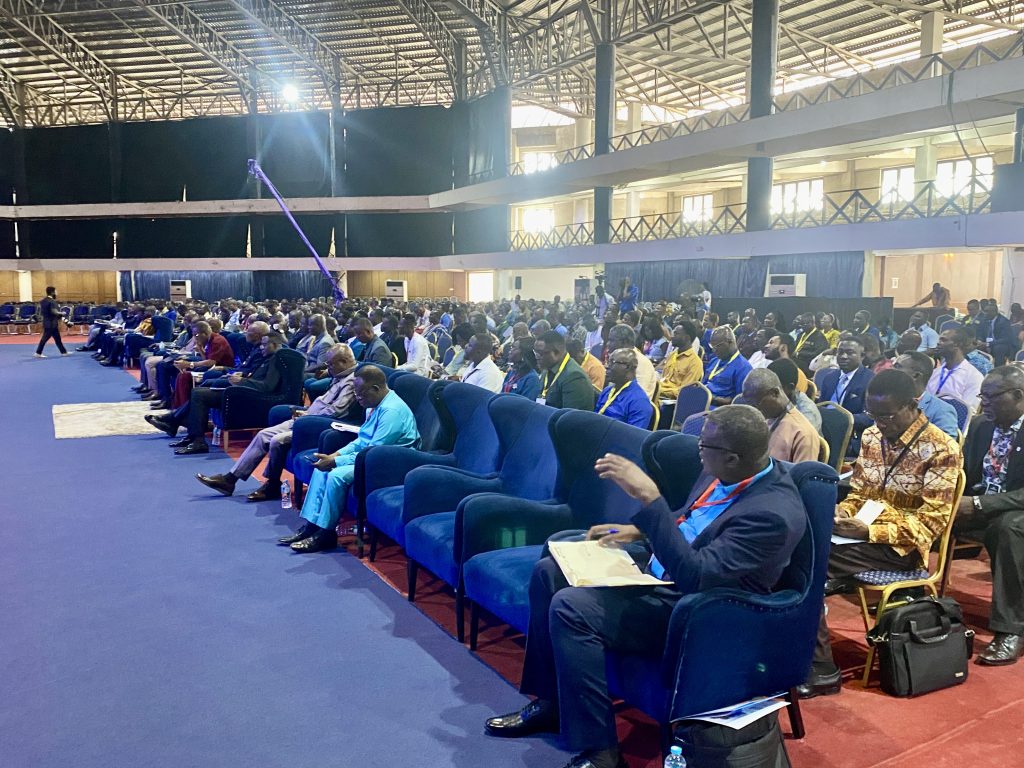
Speaking at the 2025 National Delegates Conference of the GPCC in Accra, Apostle Eric Nyamekye, President of the Council, highlighted the devastating impact of galamsey on the country’s lands and water bodies, and urged the Government to intensify efforts at protecting Ghana’s natural heritage.
“GPCC will not let its guard down – we will continue to speak, pray and act,” he said.
Apostle Nyamekye called on members of the Church involved in galamsey to reconsider their actions and prioritise the nation’s interest over personal gains.
“If any of our members is involved in this disturbing activity, I want to take the opportunity to call on you to seek the interest of our dear nation and the good of the land, rather than to pursue a personal self-centred agenda,” he said.
Talmasey – short for “gather them and sell”- refers to illegal small-scale gold mining activities that fall outside Ghana’s legal and regulatory framework.
Though small-scale mining is permitted under Ghanaian laws through licensing, illegal operations have escalated in recent years, particularly in the Ashanti, Eastern, Western, and Central regions.
These operations often flout environmental standards, leading to the destruction of farmlands, forest reserves, and the contamination of major rivers such as the Pra, Offin, and Ankobra through the use of harmful chemicals like mercury and cyanide.
The practice poses severe threats to public health, agriculture, biodiversity, and long-term water security.
Government interventions, including military-led operations such as Operation Vanguard, the establishment of the Inter-Ministerial Committee on Illegal Mining, and the Community Mining Schemes, have so far yielded limited results.
Challenges such as political interference, weak enforcement, and high youth unemployment continue to fuel the crisis.
Civil society organisations, religious bodies, and traditional leaders have, therefore, called for a national, non-partisan, and community-based strategy to restore degraded lands and sustainably manage Ghana’s mineral resources.
Meanwhile Apostle Nyamekye urged the Government and stakeholders to revisit the Proper Human Sexual Rights and Ghanaian Family Values Bill, saying it deserved urgent attention and broad-based dialogue.
He said the GPCC remained committed to engaging prayerfully and constructively in shaping Ghana’s moral and social framework.
The bill, first introduced in 2021, seeks to criminalise LGBTQ+ activities and advocacy in Ghana, with proposed prison terms of up to 10 years for offenders.
While it enjoys widespread support from religious and cultural groups, it has drawn criticism from human rights organisations, legal experts, and international partners over its implications for freedom of expression, association, and privacy.
Parliament passed the Bill in February 2024, but its implementation was delayed due to a legal challenge at the Supreme Court and concerns raised by Mr Godfred Yeboah Dame, the then Attorney General and Minister of Justice, regarding its constitutionality.
Apostle Nyamekye called on political actors to uphold democratic principles, demonstrate integrity and fairness, and conduct themselves in ways that promoted peace and national unity.
He encouraged Christian leaders to make their churches models of transparency, accountability, and servant leadership.
“It is time for us to teach and live integrity from our pulpits to our pews. In a time of polarisation, tribal divisions, disinformation and misinformation, the Church must be the moral compass that unites the society and provides sound moral guidance to the nation,” he said.
He encouraged congregations to love their neighbours, embrace differences, and choose peace over provocation.
Apostle Nyamekye commended member churches for their investments in education and healthcare and urged them to expand these efforts, particularly in rural and underserved communities.
GNA
Edited by Agnes Boye-Doe