By Dennis Peprah
Odomase, (Bono), June 16, GNA – Mrs Lucy Sanyenu, the Sunyani West Public Health Nurse has expressed worry about the growing trend of teenage pregnancies, calling for more efforts to bring the situation under control and to improve girls school retention rate in the Municipality.
He said records showed that 100 schoolgirls were impregnated in the municipality between January and March 2025, a situation she described as very disturbing.
Comparatively, Mrs Sanyenu told the Ghana News Agency (GNA) in an interview at Odomase, the Municipal capital that 91 pregnancies were also recorded within the same period in 2024.
She was speaking to the GNA on the side-lines of an adolescent community forum, organized by the Global Media Foundation (GloMeF), a human right, media advocacy and anti-corruption Non-Governmental Organisation (NGO) working to improve the lives of vulnerable young people.
The forum was in line with the “Resilient City for Adolescents (RC4A)” project, being implemented by the GloMeF in partnership with the Women Empowerment Network and Citizens Watch Ghana, also NGOs.
It was attended by adolescent boys and girls and aimed at collecting their views and to be captured into the medium-term development plans of the Sunyani East and Sunyani West Municipal Assemblies.
The Swiss Bortnar Foundation is funding the implementation of the three-year project, costing 300,000-pounds sterling and to improve adolescent lives in the two municipalities.
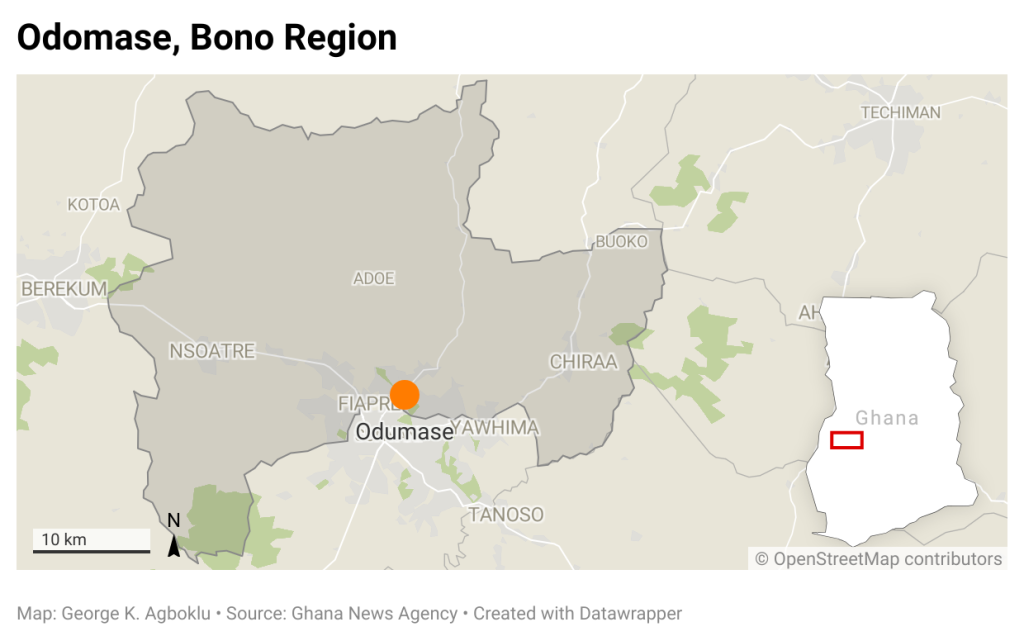
Mrs Sanyenu said teenage pregnancies were rife at Chiraa, Nsoatre, Fiapre and Odomase, saying few cases were also recorded at Kwatire and Bofourkrom.
She recommended the need to improve sexual reproductive health education in the communities, and called on all stakeholders to tackle the situation, which remained inimical to the growth and development of girls.
Mr Simon Asore, the Executive Director of Citizens Watch Ghana, an NGO and the RC4A implementation partner stressed the need for the various Metropolitan, Municipal and District Assemblies to prioritise adolescent health and wellbeing.
He said the voices of the young people ought to be well heard and captured in the decision-making process at both local and national levels.
GNA
Edited by Dennis Peprah/Kenneth Odeng Adade