By Elizabeth Larkwor Baah
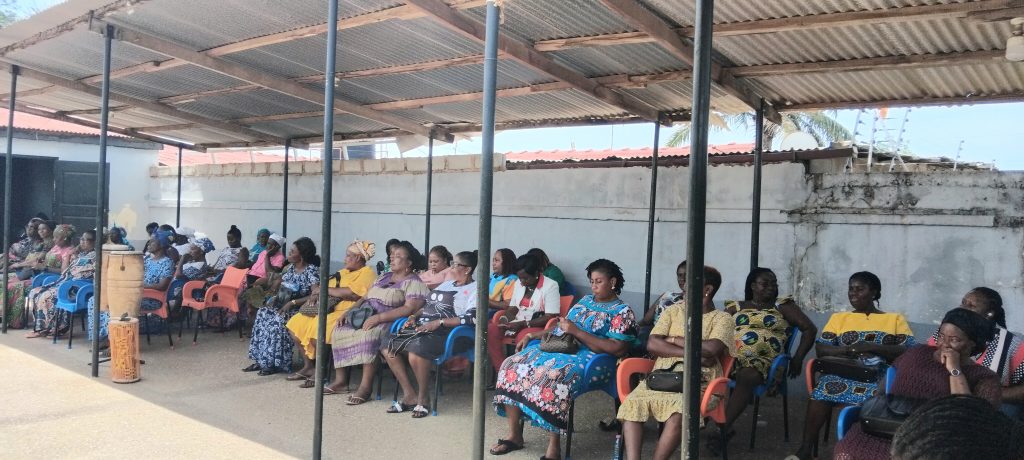
Tema, May 27, GNA — The Tema Metropolitan Office of the National Commission for Civic Education (NCCE) has embarked on a sensitisation exercise in various churches and identifiable groups to promote the importance of childhood vaccinations and child welfare services.
This public education held in collaboration with the Ghana Health Service (GHS) comes in response to concerns over low patronage of vaccination programmes, especially within the Greater Accra Region.
The programme targeted diverse community segments, including churches, artisanal groups, and other local associations, intending to foster widespread awareness and participation in child health and immunisation initiatives.
Ms Gifty Agyeiwaa Badu, Tema Metropolitan Director of the National Commission for Civic Education (NCCE), expressed deep concern over the noticeable decline in the number of mothers presenting their children for routine vaccinations and growth monitoring services.
Ms Badu attributed this to the proliferation of misinformation, fear, and a pervasive lack of awareness among some segments of the population, particularly parents and caregivers, emphasising the critical importance of childhood vaccinations, particularly for children under the age of five.
She mentioned that immunisation remained one of the most reliable and cost-effective public health interventions, adding that vaccines protect a host of deadly but preventable diseases, including measles and tuberculosis, among others, all of which continue to pose significant public health risks in areas with low vaccination coverage.
The NCCE Director appealed to religious leaders and faith-based organisations to actively support national health campaigns by using their platforms to advocate for immunisation and regular child health check-ups, to correct misconceptions and to encourage positive health-seeking behaviour.
She further cautioned that failure by parents to avail their children for vaccinations and growth monitoring exposed them to avoidable and often life-threatening health risks, emphasising that the NCCE was committed to intensifying its community outreach and engagement efforts to foster informed decision-making among citizens and contribute to improved health outcomes at the community level.
Madam Portia Efua Ntsiful, Health Promotion Officer at the Tema Metropolitan Health Directorate, underscored the long-term public health benefits of childhood immunisations and stressed that the national immunisation programme had played a pivotal role in significantly reducing childhood mortality rates in Ghana over the past several decades.
According to Madam Ntsiful, the widespread administration of vaccines had not only prevented countless cases of infectious diseases but also contributed to the broader objective of improving child survival and public health outcomes.
She explained that vaccines function by stimulating a child’s immune system to recognise and combat specific pathogens, cautioning that delays in vaccination or outright refusal to immunise children undermine these protective mechanisms and could contribute to the resurgence of vaccine-preventable diseases which might pose not only individual health risks but also a collective threat to entire communities.
She highlighted the consequences of non-compliance, including severe illness and long-term disability, saying that every mother holds a critical role in safeguarding her child’s health and future by adhering to the national immunisation schedule.
The health promotion officer utilised the platform to educate participants on the re-emergence of Mpox and emphasised the critical importance of enhancing sanitation practices to curb its spread.
GNA
Edited by Laudia Sawer/Kenneth Odeng Adade