By Linda Naa Deide Aryeetey and Eugenia Otenwaa
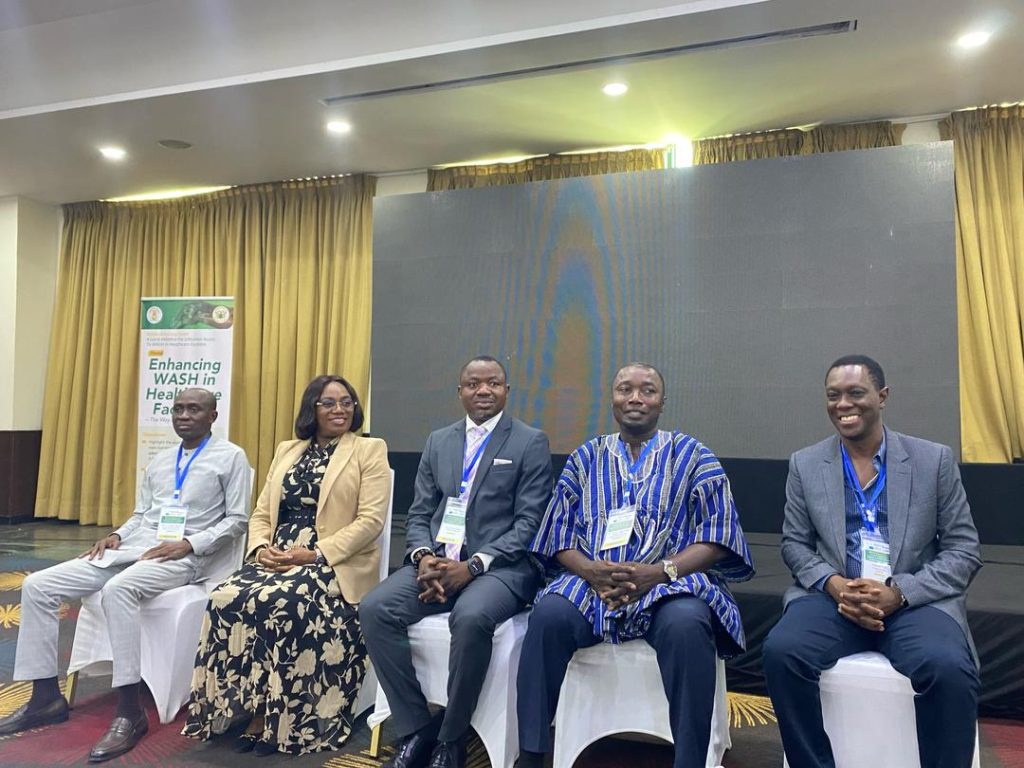
Accra, May 6, GNA – Professor Samuel Akoriyea Kaba, Director-General of the Ghana Health Service (GHS), says healthcare facilities in Ghana face severe Water, Sanitation, and Hygiene (WASH) challenges due to inadequate investment.
He warned that poor WASH infrastructure increases healthcare-associated infections, undermining medical interventions.
Speaking at an advocacy event on a local initiative for universal access to WASH in healthcare facilities in Accra on Tuesday, Prof. Kaba said inadequate toilets, water supply, sanitation, waste management, and hygiene practices remained a major concern in hospitals.
He stressed the need for Ghana to prioritise WASH improvements to curb antimicrobial-resistant pathogens.
“Adequate WASH services lead to fewer healthcare-associated infections, shorter hospital stays, and improved patient well-being, while improved WASH in healthcare facilities reduces healthcare costs associated with treating preventable infections,” he said.
Prof. Kaba noted that women faced serious risks during childbirth without safe WASH services.
He said that in some health facilities, nurses and midwives shared the burden with pregnant women who walked long distances in search of safe water to meet the sanitation and hygiene needs of expectant and new mothers.
Dr. Angela Ackon, Technical Lead for Quality and Safety at the World Health Organisation (WHO), described poor WASH conditions as a major contributor to hospital-acquired infections and declining staff performance.
She said the absence of WASH in healthcare facilities compromised care quality and had significant economic implications.
“We can’t save millions of lives without accelerated actions and investments to scale up WASH services in healthcare settings,” she said.
Dr. Ackon said current efforts were insufficient for universal WASH access in healthcare facilities by 2030.
Globally, 1.7 billion people – 25 per cent – lack access to basic water services in healthcare settings.
Additionally, 780 million people rely on facilities without toilets, 50 per cent lack basic hand hygiene, and 40 per cent of toilets lack waste management.
WHO estimates improved WASH in healthcare facilities could save 1.4 million lives annually, primarily by preventing maternal and neonatal sepsis-related deaths.
The poorest and most vulnerable populations have the least access to WASH services.
“For example, 43 per cent of newborn deaths occur in sub-Saharan Africa, where only half of health facilities have a water source on site,” Dr. Ackon said.
She estimated that eight million individuals in low- and middle-income countries die annually from poor-quality care, leading to USD 6 trillion in economic losses.
Dr. Ackon urged Ghana to promote equitable WASH access in healthcare settings, ensuring disability-friendly facilities in rural and urban centres.
She called for sustained WASH investment in public health emergency preparedness and response, referencing lessons from the COVID-19 pandemic and recent cholera outbreaks.
“Sustainable WASH systems, including financing, investment, capacity building, monitoring frameworks, climate-resilient infrastructure, waste, and electricity services, are essential for improved healthcare delivery,” she said.
Sustainable Development Goal six emphasizes the importance of water for human health, economic prosperity, and environmental sustainability.
It highlights improvements in drinking water, sanitation, and hygiene as essential for progress in nutrition, education, health, and gender equality.
GNA
KAS