Antalya, Türkiye, Nov. 21, GNA – AbibiNsroma Foundation has called for COP32 to be the COP of delivery, insisting that adaptation finance must move from conference halls to farms, villages and coastal communities.
The Foundation made the call in its closing statement at the end of COP31, as it looked forward to COP32.
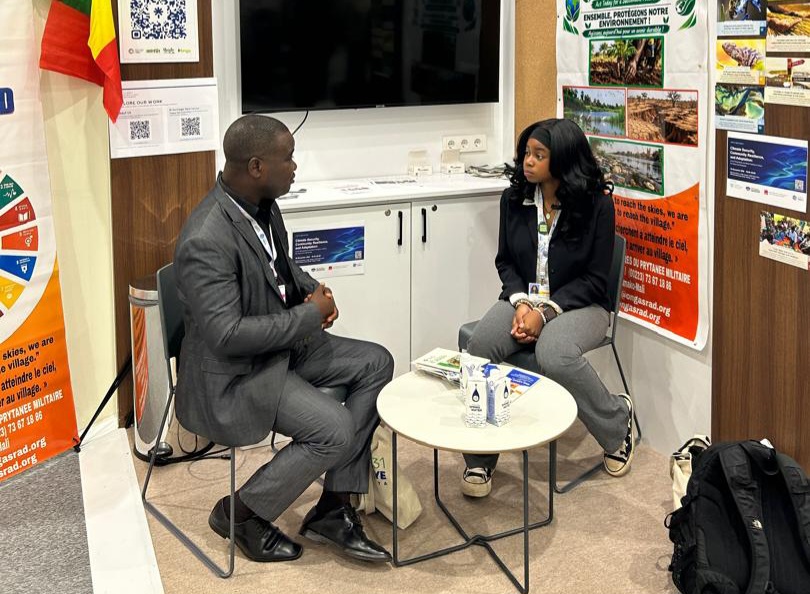
“We came to COP31 with one clear message: Amplify the Voice of Local Communities and Implement Adaptation Finance,” the Foundation said.
It expressed gratitude for the spaces where local voices were heard, for the partnerships built, and for the renewed commitments made on adaptation, loss and damage, and climate justice.
“We celebrate every small step forward, because behind every negotiation is a farmer, a mother, a young person hoping for a better future,” it said.
But the Foundation said it must be honest: for local communities, the work was not yet done.
“Our communities are still facing floods, droughts, crop failure, water scarcity, and loss of livelihoods. Promises made at COP31 must not die at COP31,” it said.
Four Calls For COP32
As it looked forward to COP32, AbibiNsroma Foundation made four key calls:
Implementation, Not Just Negotiation
COP32 must be the COP of Delivery. Every commitment on adaptation finance must be tracked, funded, and delivered.
Direct Access for Local Communities
Finance must reach the grassroots. Women, youth, farmers, and indigenous communities must be at the centre of design and decision-making.
Accountability
“We will hold governments and funds accountable. Communities will be watching,” the Foundation said.
Stronger Community Leadership
AbibiNsroma Foundation said it would continue to build capacity, document local stories, and bring real community evidence to COP32.
“COP31 will end today, but our mission continues. We leave COP31 more united, more informed, and more committed than ever,” it said.
The Foundation said it looked forward to COP32 with hope that next year, it would not be repeating the same calls, but celebrating real progress on the ground.
“Until then, we will keep amplifying, advocating, and acting,” it added.
“From COP31 to COP32: From Pledges to Action. Time to Implement Adaptation Finance!”
What is COP?
COP stands for Conference of the Parties to the United Nations Framework Convention on Climate Change (UNFCCC).
It is the annual UN climate summit where nearly 200 countries gather to negotiate global action on climate change, including cutting greenhouse gas emissions, adaptation, loss and damage, and climate finance for developing countries.
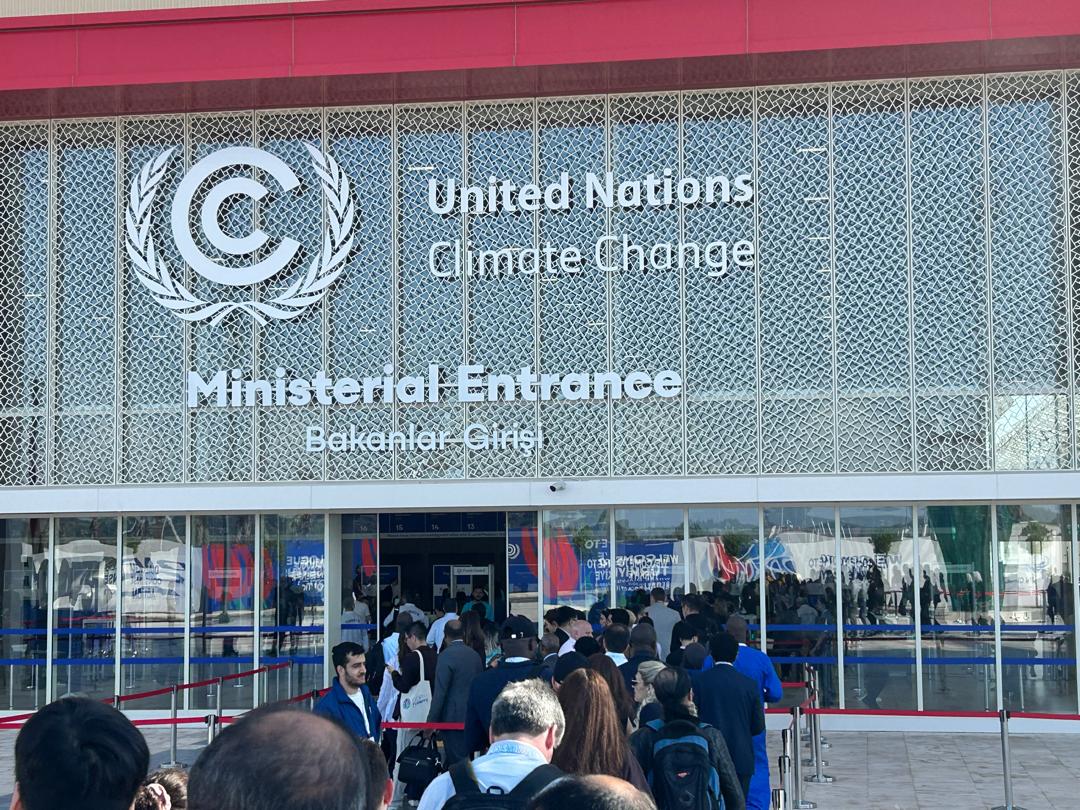
COP31, the 31st session, was held at the Antalya Expo Centre in Antalya, Türkiye, from November 9 to 20, 2026, bringing together world leaders, scientists, business representatives, civil society and communities.
Unlike summits dominated by a single landmark agreement, COP31 was focused on turning existing commitments into action. Türkiye held the Presidency, with Environment Minister Murat Kurum as COP President, while Australia led the formal negotiations under an unusual co-presidency arrangement.
Earlier, at COP31, AbibiNsroma had already called on developed countries and international climate finance institutions to move beyond repeated promises and ensure adaptation finance reached local communities bearing the brunt of climate change. 042d
AbibiNsroma Foundation
AbibiNsroma Foundation is a Ghanaian non-profit, non-governmental organisation dedicated to the promotion of sustainable livelihoods, education, environment, ocean, climate change and agricultural issues.
Its work is based in Tema and across Ghana, with a focus on amplifying the voices of vulnerable communities in national and global climate decisions.
Its slogan is: Local Voices. Global Action. Climate Justice.
It is led by its Convenor, Mr Robert Amiteye, also known as Bob T. K. Amiteye.
The Foundation has been active in:
– Urging the Tema Metropolitan Assembly to prioritise climate change, pollution control and healthy environmental practices in its development plans
– Advocating for community-led energy governance, and for traditional leaders and communities to be recognised in national energy planning
– Campaigning against gas expansion in Africa through the “Don’t Gas the South” campaign, alongside GCAP-Ghana and Africans Rising
– Calling for democratic oversight of emerging climate technologies, including opposition to Solar Radiation Modification (geoengineering)
– Welcoming Government’s decision to remove import duties and VAT on solar panels and batteries to accelerate Ghana’s renewable energy transition
In 2026, AbibiNsroma Foundation and HATOF Foundation became the only organisations from West Africa among 14 newly admitted groups granted observer status at the Intergovernmental Panel on Climate Change (IPCC), the UN body that assesses climate science to guide global action.
At COP31, the Foundation said women, young people, farmers, fisherfolk and vulnerable households were facing the greatest challenges from flooding, coastal erosion, prolonged droughts, unpredictable rainfall, rising temperatures and food insecurity, despite contributing the least to the global climate crisis.
GNA
Edited by Samuel Osei-Frempong