By Christiana Afua Nyarko, GNA
Accra, Nov. 20, GNA – The Ghana Police Service is to develop a context-specific Human Rights Training Manual to strengthen professional conduct, accountability and respect for fundamental human rights in police operations.
The manual is expected to translate constitutional provisions, national laws and international human rights standards into practical guidance for police officers, particularly in handling arrests, detention, investigations, use of force, public demonstrations and the treatment of vulnerable persons.
The initiative forms part of a project dubbed: “Enhancing Human Rights Protection, Building Trust and Preventing Radicalization in Ghana and West Africa”, being undertaken by the African Security Sector Network (ASSN), in partnership with the Danish Institute for Human Rights, with support from the Embassy of Denmark in Ghana.
The maiden technical and brainstorming workshop towards drafting the manual was held on Wednesday at the Alisa Hotel in Accra.
It brought together representatives of the Ghana Police Service, government institutions, human rights bodies, civil society organisations, academia and development partners.
COP Maame Yaa Tiwaa Addo-Danquah, Technical Adviser to the Minister of the Interior, said modern policing should be measured not only by the ability to maintain law and order but also by how effectively officers upheld the dignity and fundamental rights of citizens.
She said although human rights principles were already incorporated into police training, the increasing demands of operational policing required practical, clear and accessible guidance to help officers apply those principles in their daily duties.
The workshop, she said, provided an opportunity for stakeholders to move beyond the theoretical understanding of human rights and develop a contextualised manual tailored to the needs of police recruits and serving officers.
She reaffirmed the Police Service’s commitment to ensuring that the manual reflected Ghana’s constitutional obligations under the 1992 Constitution and international best practices, translating them into rights-respecting conduct across police stations, patrol operations and communities.
Mr Muntaka Mohammed-Mubarak, the Minister of the Interior, in a speech read on his behalf, said respect for human rights was not separate from effective policing but an essential component of it.
He said public confidence in law enforcement institutions depended largely on professional conduct and accountability, warning that perceptions of abuse, excessive use of force, arbitrary treatment and inadequate responses to misconduct could undermine public trust.
He said the proposed manual should provide practical guidance on arrest and detention, use of force, public-order management, investigation and interrogation, custodial safeguards, freedom of assembly and expression, and community engagement.
Mr Mohammed-Mubarak said human rights-based policing was particularly important in preventing radicalisation, noting that unfair treatment and lack of accountability could create grievances and distrust that extremist and violent actors might exploit.
Police officers who engaged communities fairly and respectfully were better positioned to build confidence, strengthen social cohesion, obtain useful information and respond effectively to security threats, he said.
The Minister called for the manual to incorporate effective accountability mechanisms, including accessible complaint procedures, impartial consideration of allegations, transparency and appropriate avenues for redress.
He urged participants to ensure that the document complemented existing police training programmes, professional standards and disciplinary arrangements, while reflecting the practical realities confronting officers on the frontline.
Major General Carl Coleman (Rtd), Executive Secretary, ASSN, said the initiative was long overdue, given persistent concerns about public confidence, corruption and accountability within security institutions.
He said the manual would be developed through broad stakeholder consultations to ensure that it reflected Ghana’s peculiar circumstances and the experiences of both police officers and members of the public who interacted with the Service.
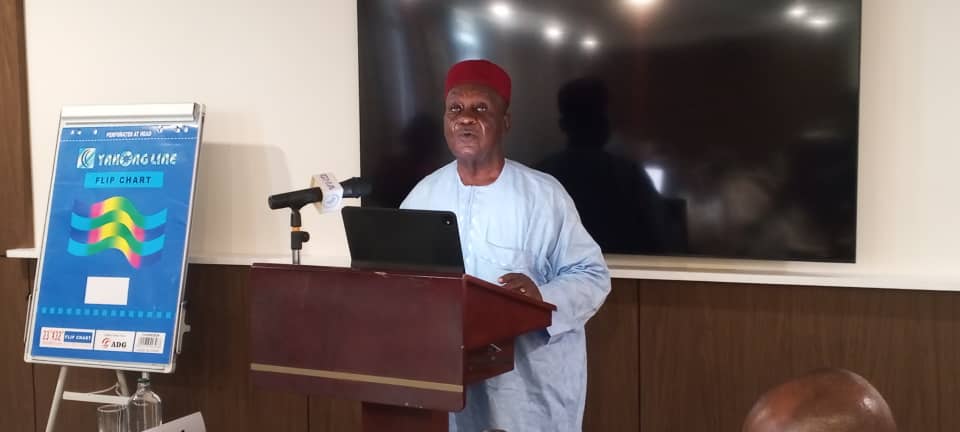
The retired senior military officer said contributions from stakeholders would be crucial in identifying key human rights challenges in policing, determining the manual’s content and structure, and recommending appropriate training and implementation approaches.
The ASSN, he said, remained committed to promoting effective and democratically governed security sectors across Africa by strengthening the capacity of governments, security institutions, parliaments and civil society organisations to lead and take ownership of security sector reforms.
Human rights-based policing requires law enforcement officers to exercise their powers within the confines of the law while respecting the dignity, freedoms and fundamental rights of individuals.
In Ghana, the 1992 Constitution guarantees fundamental human rights and freedoms, while placing obligations on state institutions, including the Police Service, to uphold and protect them.
The proposed manual is intended to bridge the gap between existing legal and professional standards and their practical application in everyday policing, while strengthening accountability, public trust and effective security governance.
GNA
Edited by Agnes Boye-Doe
Reporter: Christiana Afua Nyarko, GNA
[email protected]